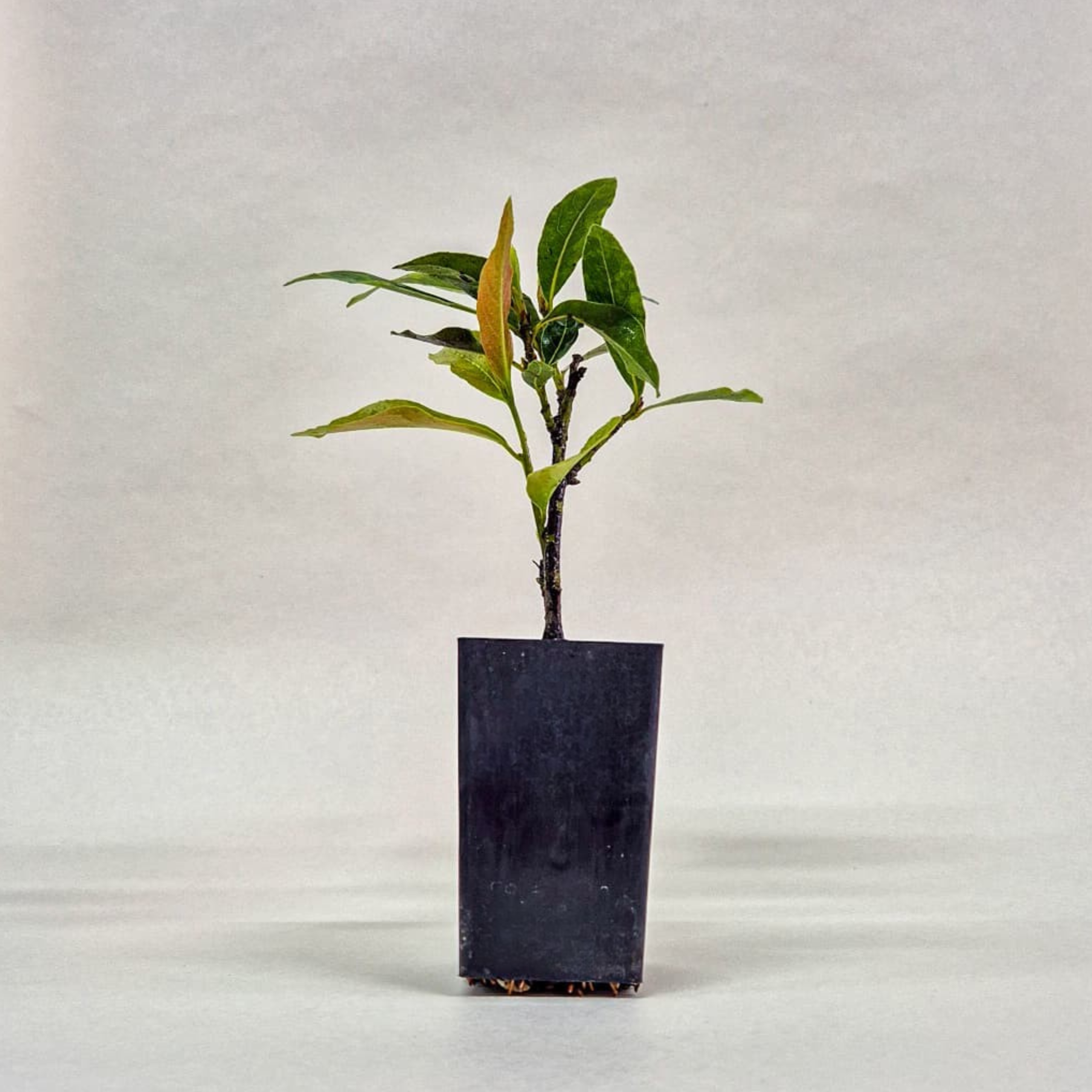
$14.30 – $22Price range: $14.30 through $22
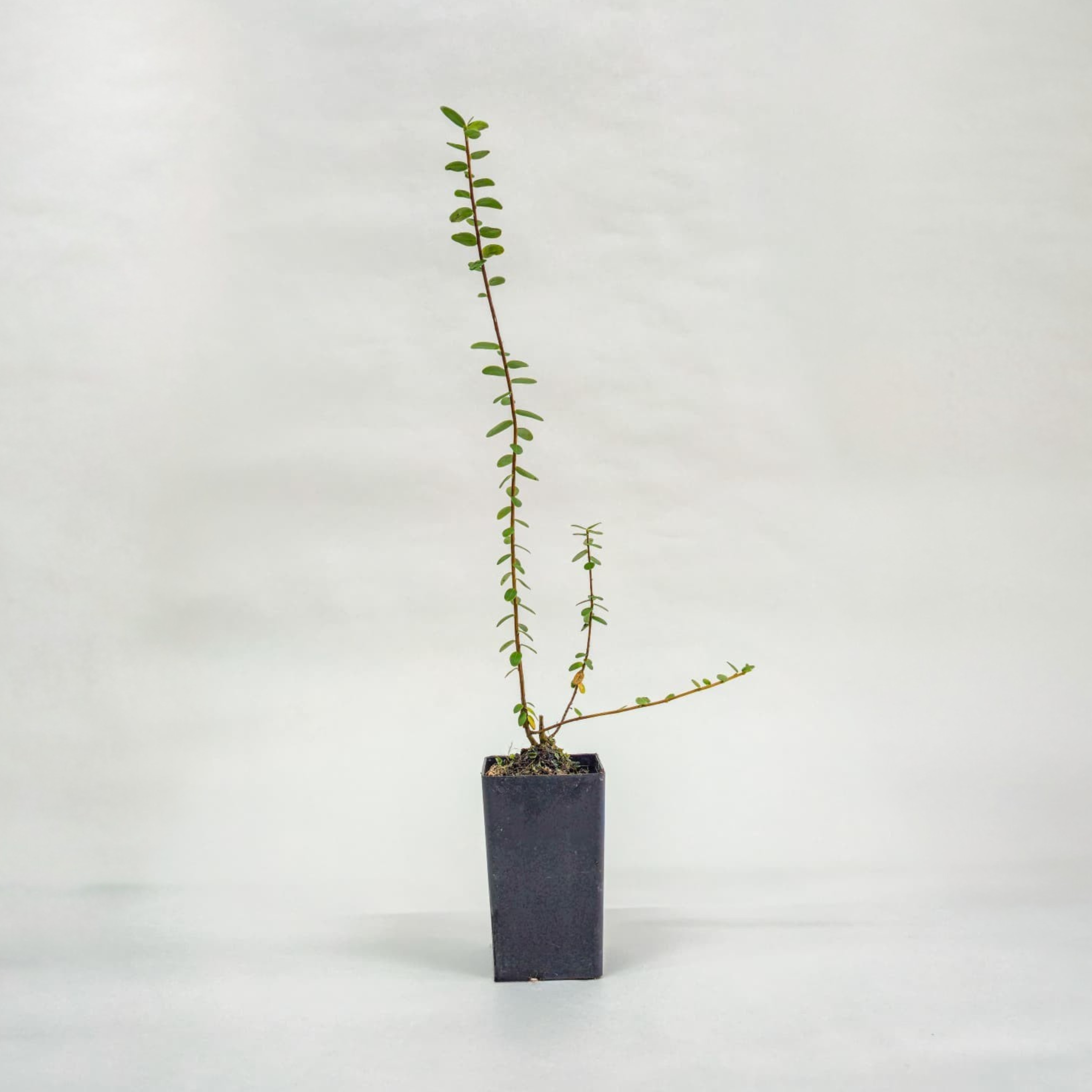
The American Cranberry Plant forms a low evergreen carpet. Notably, it produces delicate pink flowers, which are followed by the familiar tart, ruby-red berries.
Botanists recognise this species as Vaccinium macrocarpon. Furthermore, people commonly call it cranberry, American cranberry, large cranberry, bearberry, and craneberry. It grows natively in north-eastern and north-central North America, where its slender stems spread by rhizomes across acidic bogs and wetlands.
In late spring or summer, small pink flowers with distinctly swept-back petals emerge. Similarly, people traditionally compared these unusual blooms to the head and bill of a crane, inspiring the early name “craneberry.” After the flowers bloom, round red fruit appears; meanwhile, the fine evergreen foliage provides year-round interest.
This compact shrub reaches approximately 30 cm high and spreads outwards, making it an unusual edible groundcover or container plant. To maximise growth, grow it in full sun to partial shade; more light encourages stronger flowering and fruiting.
The plant thrives in consistently moist, acidic soil. However, although people often associate cranberries with flooded commercial fields, these plants are not aquatic. Instead, their roots need wet yet oxygenated soil rather than permanent submersion. Consequently, a broad pot or purpose-made bog garden can help maintain these conditions, particularly in warmer Australian climates. Additionally, use rainwater where tap water is alkaline, mulch the shallow root zone, and never let the growing medium dry completely.
For a coordinated collection of acid-loving berries, you can also grow it alongside the Sunshine Blue Blueberry Plant.
People prize fresh cranberries for their bright, sharply tart flavour. In particular, cooks in the United States have traditionally transformed them into jams, jellies, sauces, relishes, syrups, and pastry fillings. Moreover, their acidity complements both sweet preserves and rich savoury dishes.
People have used cranberry juice and extracts for centuries. Meanwhile, modern evidence suggests cranberry products may help reduce recurrent urinary tract infections in some people; however, they should not be considered a treatment for an existing infection.

Your plant arrives healthy or we send you a free replacement

Fresh and hard-to-find plants, herbs, and seeds added every week.

We are a whatsapp, email or call away, we'll get back to you in 24 hrs