We’re taking a short break! Orders placed after Thursday, 6 August will be dispatched from Monday, 17 August. Thanks for your patience, and happy growing!

EXCLUSIVE • ALL RARE HERBS EXCLUSIVE • ALL RARE HERBS EXCLUSIVE • ALL RARE HERBS EXCLUSIVE • EXCLUSIVE • ALL RARE HERBS EXCLUSIVE • ALL RARE HERBS EXCLUSIVE • ALL RARE HERBS EXCLUSIVE •

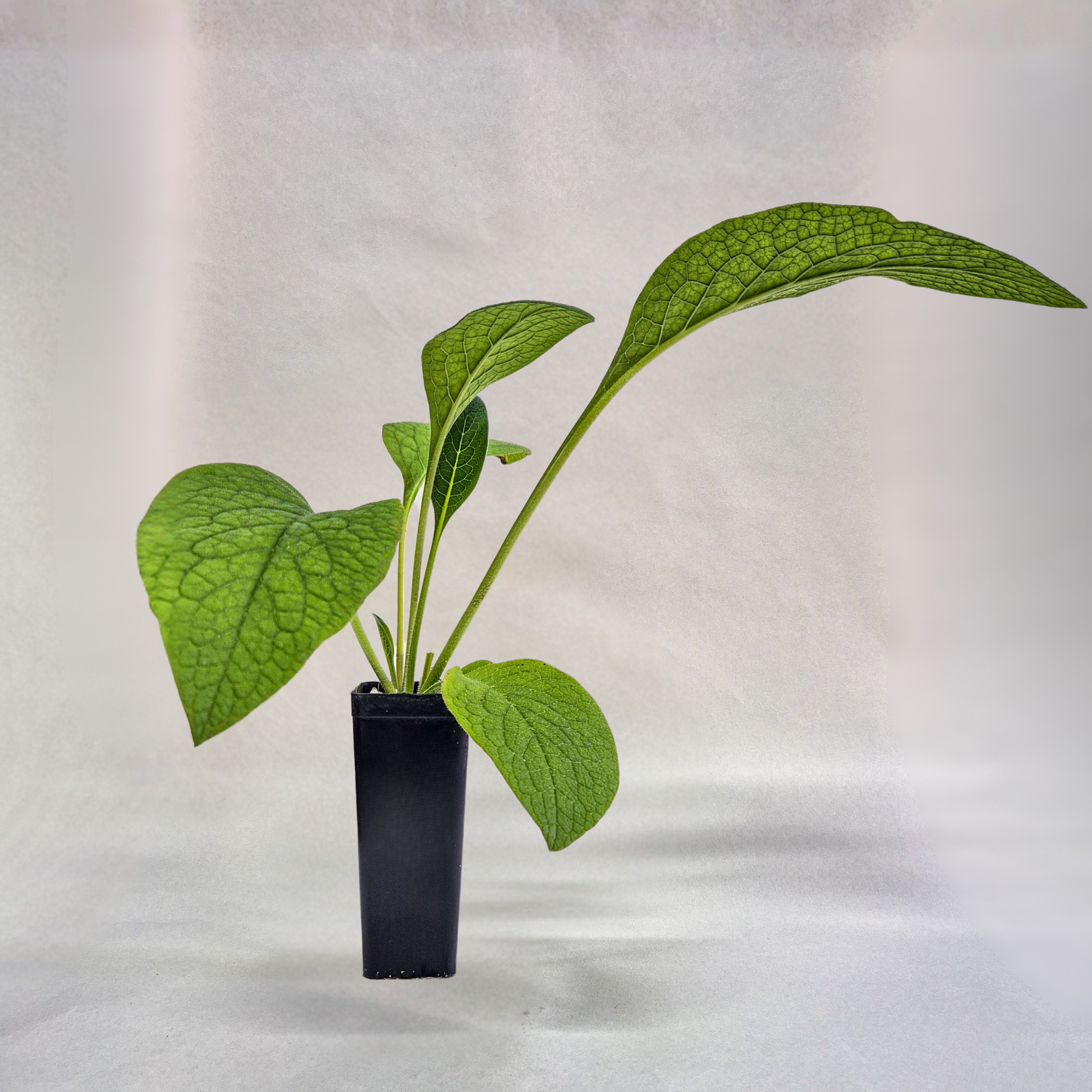
Russian Comfrey Plant – Bocking 14

Symphytum × uplandicum ‘Bocking 14’

$14.75

35 in stock

The Russian Comfrey Plant is a famously useful perennial. For this reason, gardeners prize it for its abundant foliage, organic garden feed, and remarkable cultivation history.

Why Russian Comfrey Plant ‘Bocking 14’ Is Different

Officially named Symphytum × uplandicum ‘Bocking 14’, this cultivar originated from Russian comfrey, a horticultural hybrid of common comfrey and rough comfrey. In the 1950s, organic grower Lawrence Hills trialled comfrey selections at Bocking, Essex. As a result, Number 14 stood out for its productive leaves and its useful balance of nitrogen, phosphorus, and potassium.

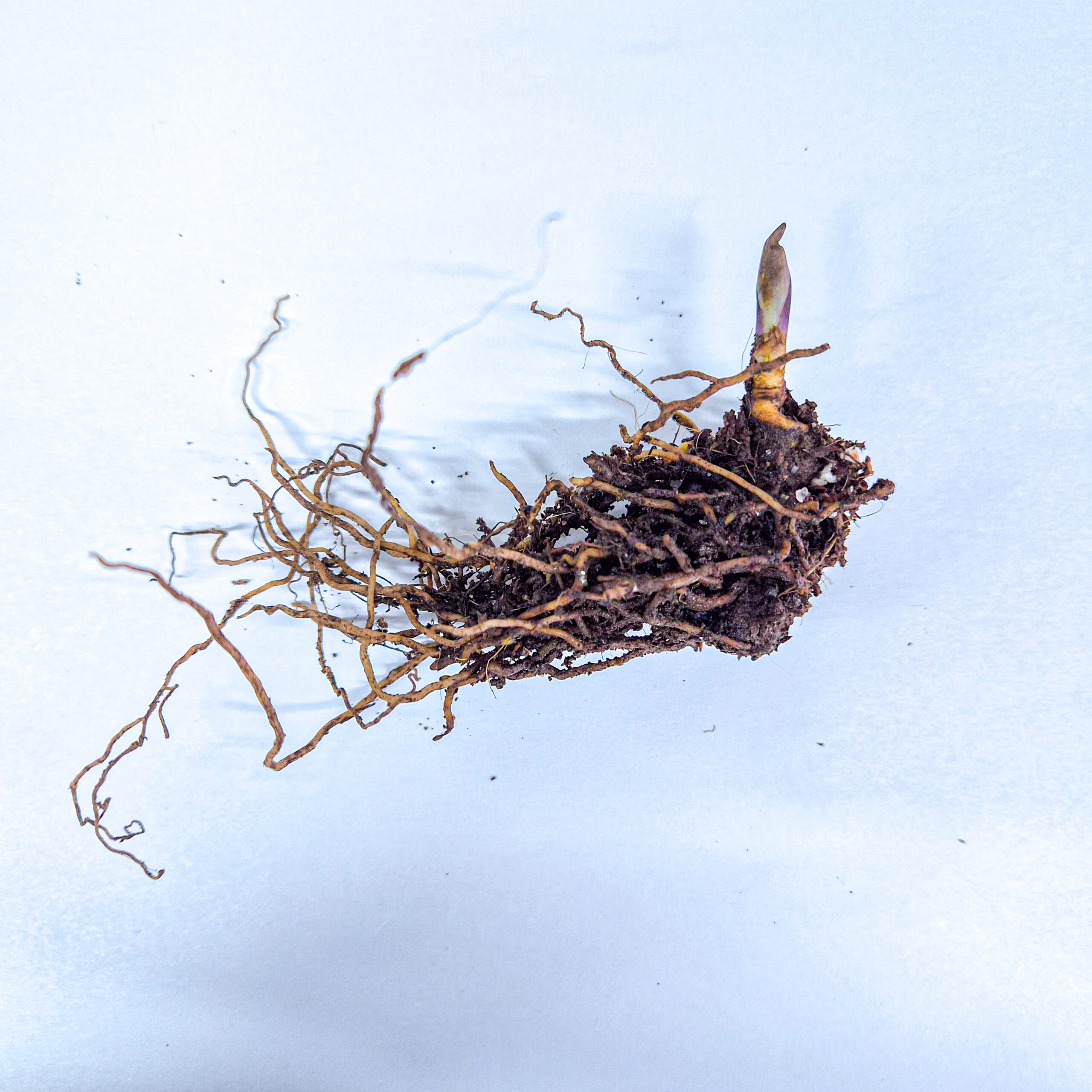
Unlike many comfreys, ‘Bocking 14’ is sterile and does not spread by seed. Therefore, this feature makes it a practical choice for productive gardens. However, pieces of its vigorous root can regrow. Consequently, gardeners should choose its permanent position carefully.

Growing Comfrey

This frost-resistant perennial forms a substantial clump, growing to about 90 cm high and 1 m wide. Additionally, broad, textured green leaves grow below nodding purple-blue flowers. These flowers, in turn, attract pollinators.

It adapts to most fertile soils and grows in full sun or partial shade. However, the plant performs best in deep, moisture-retentive ground. Furthermore, regular watering is especially important during hot, dry weather. Established plants tolerate frost better than drought. Once settled, its deep root system supports repeated leaf harvests throughout the growing season.

A Russian Comfrey Plant for the Working Garden

You can add cut leaves to compost, lay them around plants as nutrient-rich mulch, or steep them in water to make a concentrated liquid feed for the garden. In particular, gardeners value its potassium-rich foliage for flowering and fruiting crops. Additionally, grow it alongside our Stinging Nettle Plant to create two complementary materials for homemade fertilisers: comfrey for potassium-rich feeds and nettle for nitrogen-rich feeds.

Comfrey also has a long European folk tradition of external use for bruises, wounds, sprains, and broken bones. As a result, this history inspired names such as “knitbone.” However, comfrey contains pyrrolizidine alkaloids and people should not eat it or use it to make tea.

Common names include Russian Comfrey, Bocking 14 Comfrey, Russian Comfrey Bocking 14, Bocking No. 14 Comfrey, Blue Comfrey, Quaker Comfrey, Upland Comfrey and Hybrid Comfrey.

Our Plants People Recommend

Premium liquid indoor plant fertiliser designed to support healthy foliage, root growth, and vibrant indoor plants.

$13.99

Add to cart
Natural neem oil plant care solution for maintaining healthy foliage on indoor and outdoor plants.

$18.99

Add to cart
DETAILS AND CARE

WHY US?

OUR 14 DAY PROMISE:

Your plant arrives healthy or we send you a free replacement

New Varieties Weekly

Fresh and hard-to-find plants, herbs, and seeds added every week.

FRIENDLY PLANT PEOPLE

We are a whatsapp, email or call away, we'll get back to you in 24 hrs

Oh so helpful

Other gardners also bought: