$11.60
Astragalus Plant brings centuries of herbal tradition into the garden, pairing delicate pea-like flowers with a remarkably resilient nature. In fact, the botanical name is Astragalus mongholicus. Moreover, this herbaceous perennial grows across Mongolia, northern China, and other temperate regions of East Asia.
People call it by many names: Astragalus, Mongolian Astragalus, Mongolian Milkvetch, Chinese Milkvetch, Milk Vetch, Huang Qi, Huangqi, Bei Qi, Bei Kei, Buck Kee, Astragalus Hoangtchy, and Khunchir. As a result, you may encounter these terms in various texts and traditions.
In traditional Chinese herbalism, people use the mature root, called Huang Qi, in broths, teas, and herbal formulas. Over time, it gained a reputation as a tonic herb linked to vitality and recovery. Consequently, these historical uses add cultural value to the plant. However, they do not prove medical benefits.
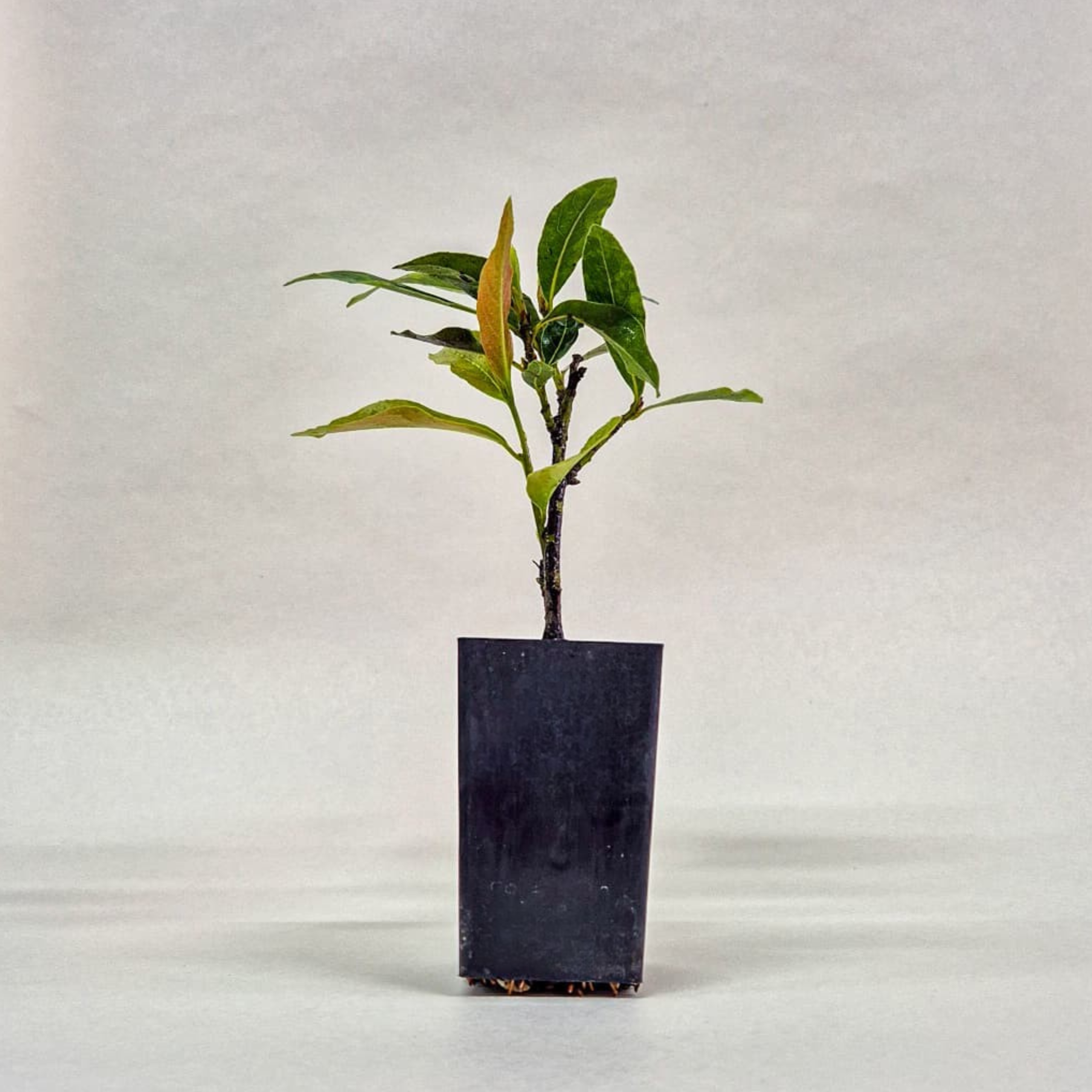
This slow-growing perennial reaches about 45 cm high and 20 cm wide. Additionally, finely divided foliage forms a soft, feathery mound. Small pale-yellow flowers show its kinship with peas and beans. Underground, the plant develops a substantial taproot that makes it famous.
Plant Astragalus in full sun and well-drained soil. Once established, it tolerates dry periods and frost, so it suits temperate herb gardens, medicinal plant collections, and water-wise borders. Still, good drainage is essential, especially during wet weather. Ultimately, its slow growth rewards gardeners who appreciate plants with history, not instant results.
You can also grow Astragalus beside Schisandra (Bi-sexual) Plant or Siberian Ginseng to build a garden inspired by enduring East Asian herbal traditions. Furthermore, its compact habit and intricate foliage add botanical interest beyond the herb bed.

Your plant arrives healthy or we send you a free replacement

Fresh and hard-to-find plants, herbs, and seeds added every week.

We are a whatsapp, email or call away, we'll get back to you in 24 hrs