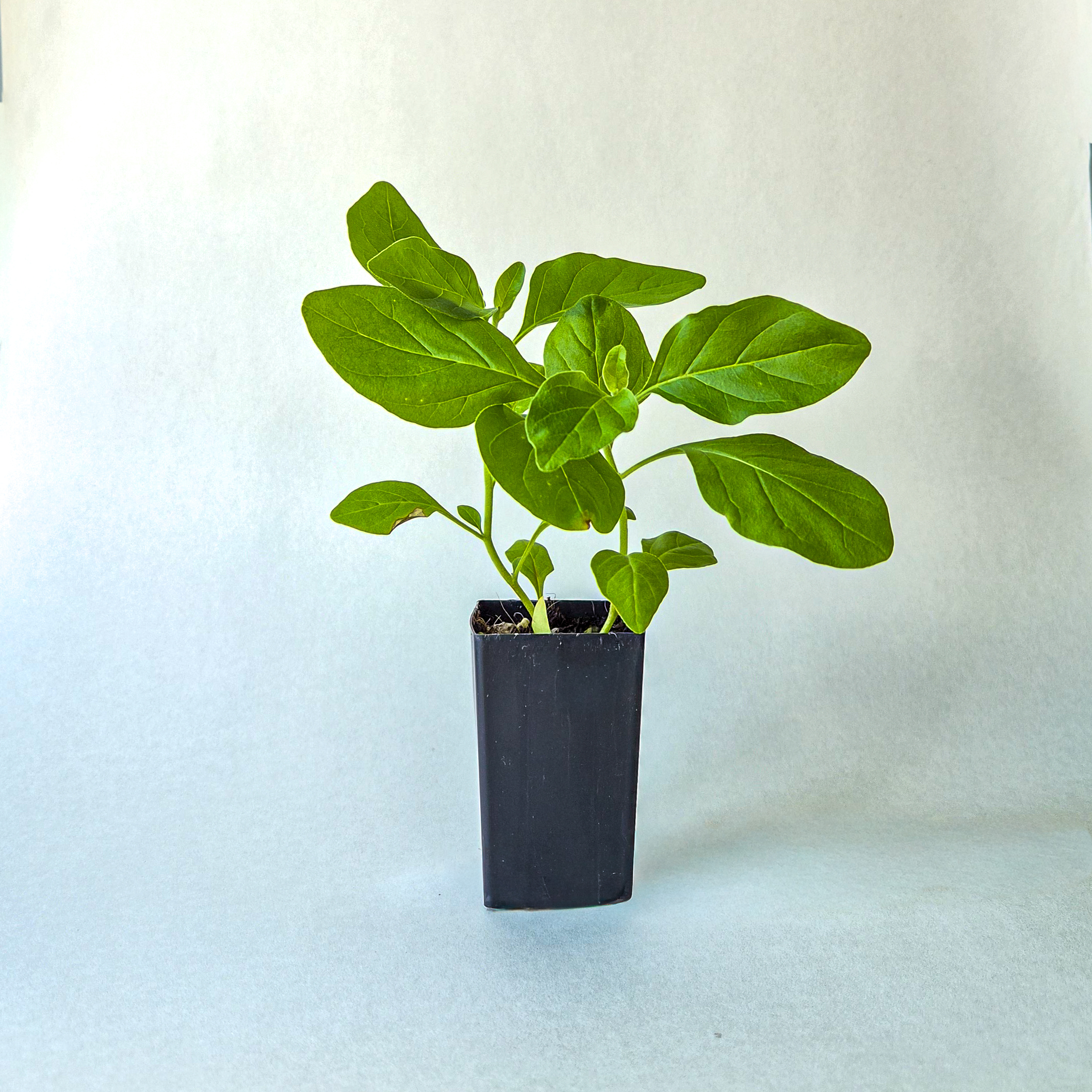
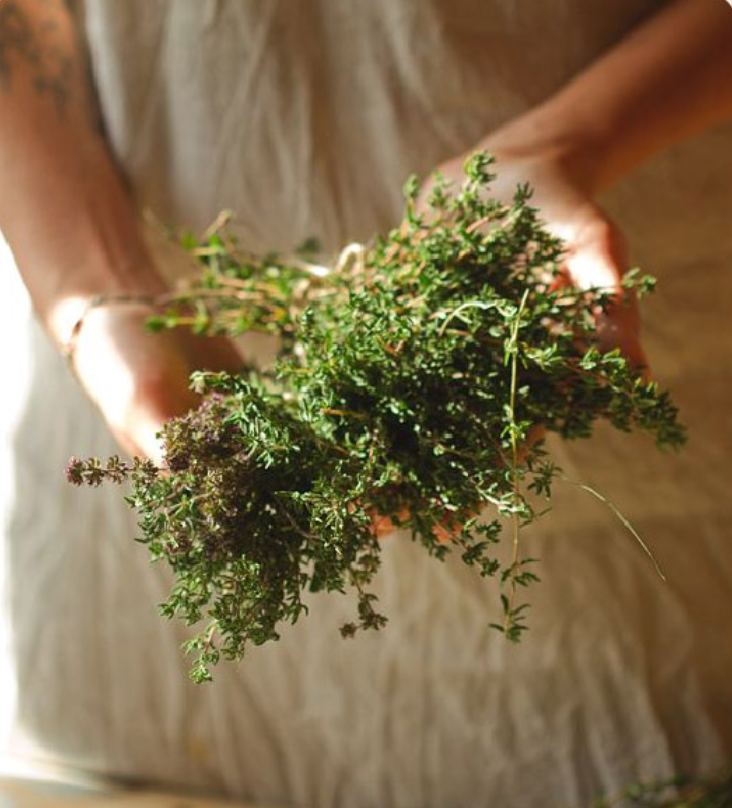
Ashwagandha Plant

Withania somnifera (syn. Physalis somnifera, Physaloides somnifera, Alicabon somniferum)

Price range: $11.70 through $13.30

The Ashwagandha Plant introduces one of India’s most highly esteemed medicinal herbs to the garden. It combines ancient tradition and hardy growth, making it both valuable and resilient.

The Story of Ashwagandha

Withania somnifera, the official name for the Ashwagandha Plant, has played an important role in Ayurveda for thousands of years. Ashwagandha means “smell of the horse,” referencing the dried root’s unique scent and its traditional link to strength and vitality.

Traditionally, people prepare the dried root as a general or strengthening tonic. Many historical and folk practices link Ashwagandha to relief from fatigue, support for immune health, and increased vitality. In fact, some modern traditions have explored its use for chronic fatigue syndrome and multiple sclerosis. However, these associations do not prove it prevents or treats medical conditions, so always seek professional advice before using it medicinally.

Growing an Ashwagandha Plant

Native to parts of Africa, the Mediterranean, India, and Asia, the Ashwagandha Plant prefers a protected, sunny spot with well-drained soil. Once established, it tolerates dry conditions and withstands light frost. However, persistent cold or wet soil can cause problems.

This plant typically grows to about 75 cm high and wide, forming a compact, softly branched shrub. In warm climates, it stays evergreen and perennial. Meanwhile, gardeners in temperate regions usually grow it as a warm-season annual.

Soft grey-green leaves, pale-green flowers, and bright orange-red berries within papery calyces create a subtle ornamental appeal. Its compact habit works well in medicinal gardens, productive borders, raised beds, and large containers.

Traditional Uses of the Ashwagandha Plant

The root is the plant part most closely connected with Ayurvedic preparations. Its leaves and berries also appear in regional traditions. However, the berries are not edible, and home use requires informed caution.

Common names include Ashwagandha, Indian Ginseng, Indian Winter Cherry, Winter Cherry, Ayurvedic Shrub, Withania, Poisonous Gooseberry, Poison Gooseberry, Ayurvedic Ginseng, Amukkara, Anink Kara, Ashgand, Ashva Gandha, Busidan, Hajarat el Dib, Kaknaj ke Beej, Sekran, Spaniel Bush and Wolf’s Tree.

Gardeners can try Ashwagandha Seed or Root Powder, connecting the living plant with its cultivation and herbal tradition. Because it is resilient, compact, and culturally significant, the Ashwagandha Plant makes a distinctive addition to any purposeful herb collection.

Our Plants People Recommend

Premium liquid indoor plant fertiliser designed to support healthy foliage, root growth, and vibrant indoor plants.

$13.99

Add to cart
Natural neem oil plant care solution for maintaining healthy foliage on indoor and outdoor plants.

$18.99

Add to cart
DETAILS AND CARE

WHY US?

OUR 14 DAY PROMISE:

Your plant arrives healthy or we send you a free replacement

New Varieties Weekly

Fresh and hard-to-find plants, herbs, and seeds added every week.

FRIENDLY PLANT PEOPLE

We are a whatsapp, email or call away, we'll get back to you in 24 hrs

Oh so helpful

Other gardners also bought: