Hamamelis virginiana, commonly known as Witch Hazel, is a fascinating deciduous shrub valued for its ornamental beauty and practical uses. Moreover, it continues to capture the interest of gardeners and herbalists alike.
Native to the eastern regions of North America, Witch Hazel has a rich history in folklore, herbal traditions, and natural landscaping. For example, water divining is one of its most unusual associations. Dowsers, often called “water witches,” used their forked “Y” shaped branches to locate underground water sources. As a result, this unique cultural history makes Witch Hazel one of the most intriguing shrubs in temperate gardens.
Cultural Significance and Folklore
Medicinal and Cosmetic Uses
Witch Hazel offers many medicinal and cosmetic benefits. The leaves and bark contain astringent compounds, and people have relied on them for generations in washes, tonics, and skincare products. Today, many recognise Witch Hazel extracts for their soothing and cleansing effects. Traditionally, herbalists washed minor wounds, soothed skin irritations, and prepared sitz baths using leaf infusions. Because of this enduring use in natural remedies, Witch Hazel enjoys a reputation as both an ornamental and a useful plant.
Unique Flowering and Seasonal Interest
Witch Hazel adds rare seasonal interest to gardens when many deciduous plants are dormant. Specifically, as autumn arrives and leaves fall, Witch Hazel produces unusual, bright-yellow, thread-like flowers on bare branches. These delicate flowers create a striking display against the fading autumn landscape and often emit a light fragrance. Ultimately, the plant’s flowering habit brings colour and texture into cooler months when few shrubs bloom.
Growing Conditions and Care
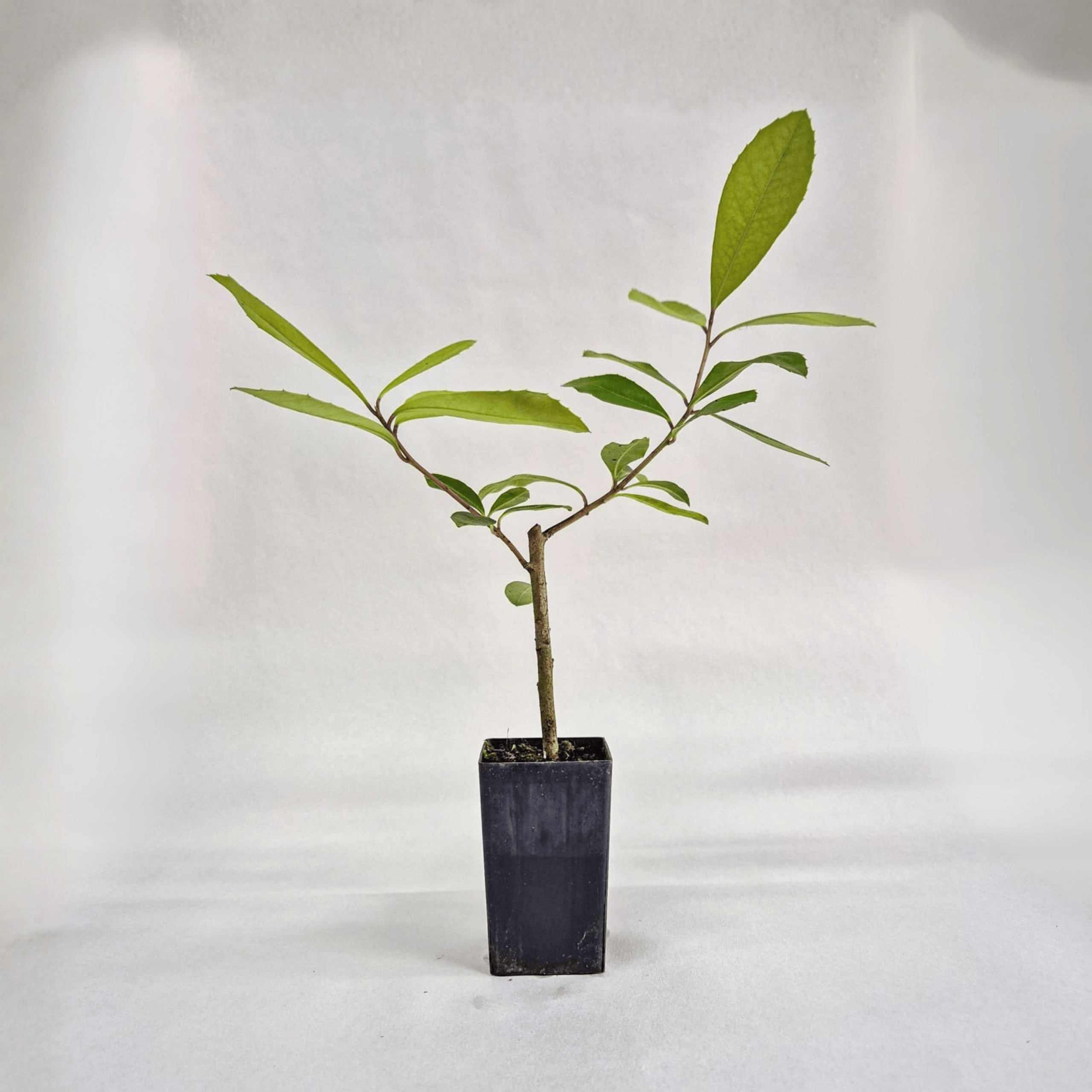
Hamamelis virginiana thrives in damp, well-drained soil and prefers a protected, partially shaded position. Furthermore, it grows well in woodland-style gardens or sheltered landscapes with consistent moisture. Once established, Witch Hazel resists frost but needs protection during prolonged dry spells. Over time, it develops into a graceful deciduous shrub that can reach 5 metres tall and 2 metres wide.
Plant Supply and Shipping
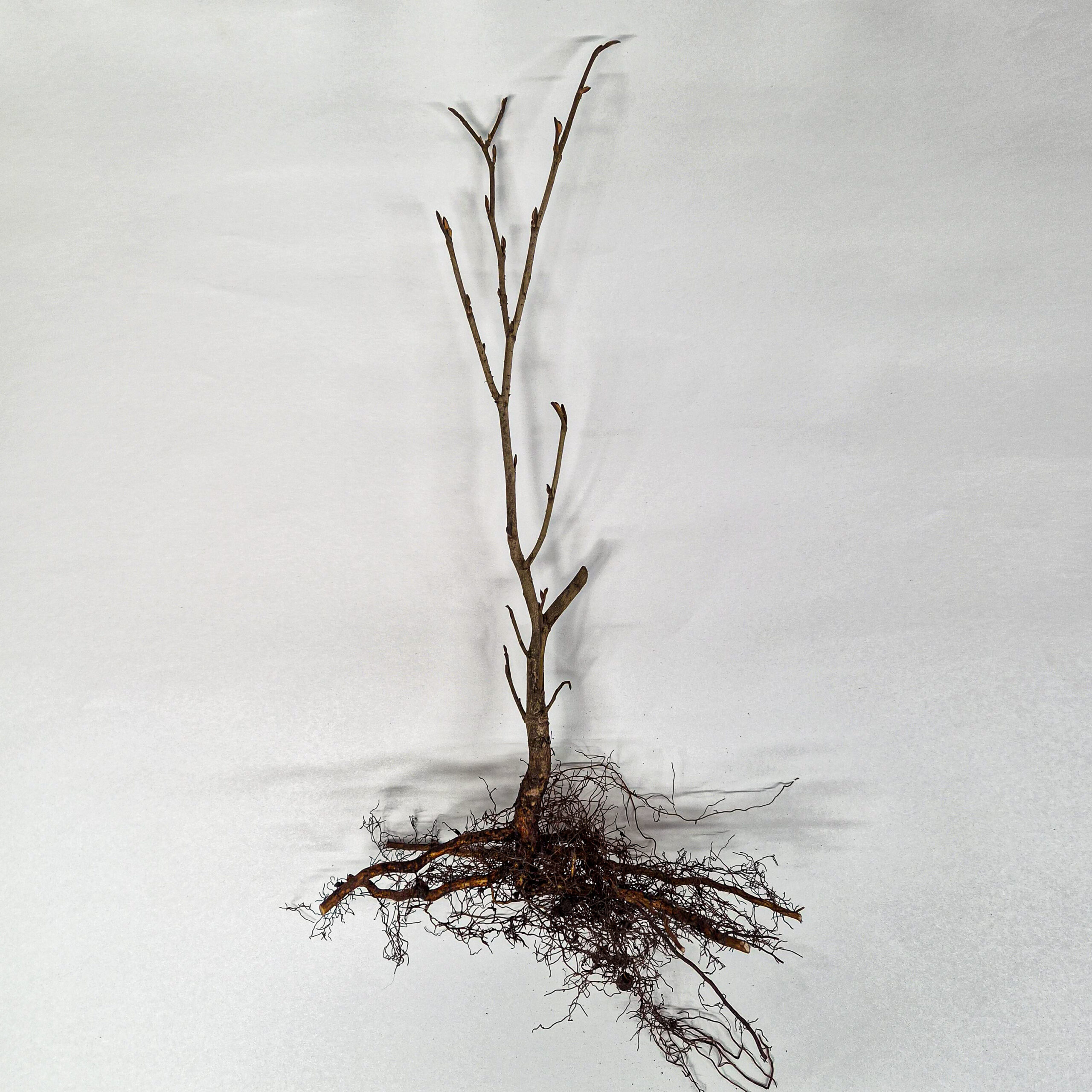
We ship Witch Hazel as a dormant, bare-rooted plant during its dormant season. Consequently, the plant establishes itself more easily, and transplanting becomes less stressful. In addition, the plant price includes freight, making it practical to add a historically significant, medicinally valued, and visually distinctive shrub to your garden.