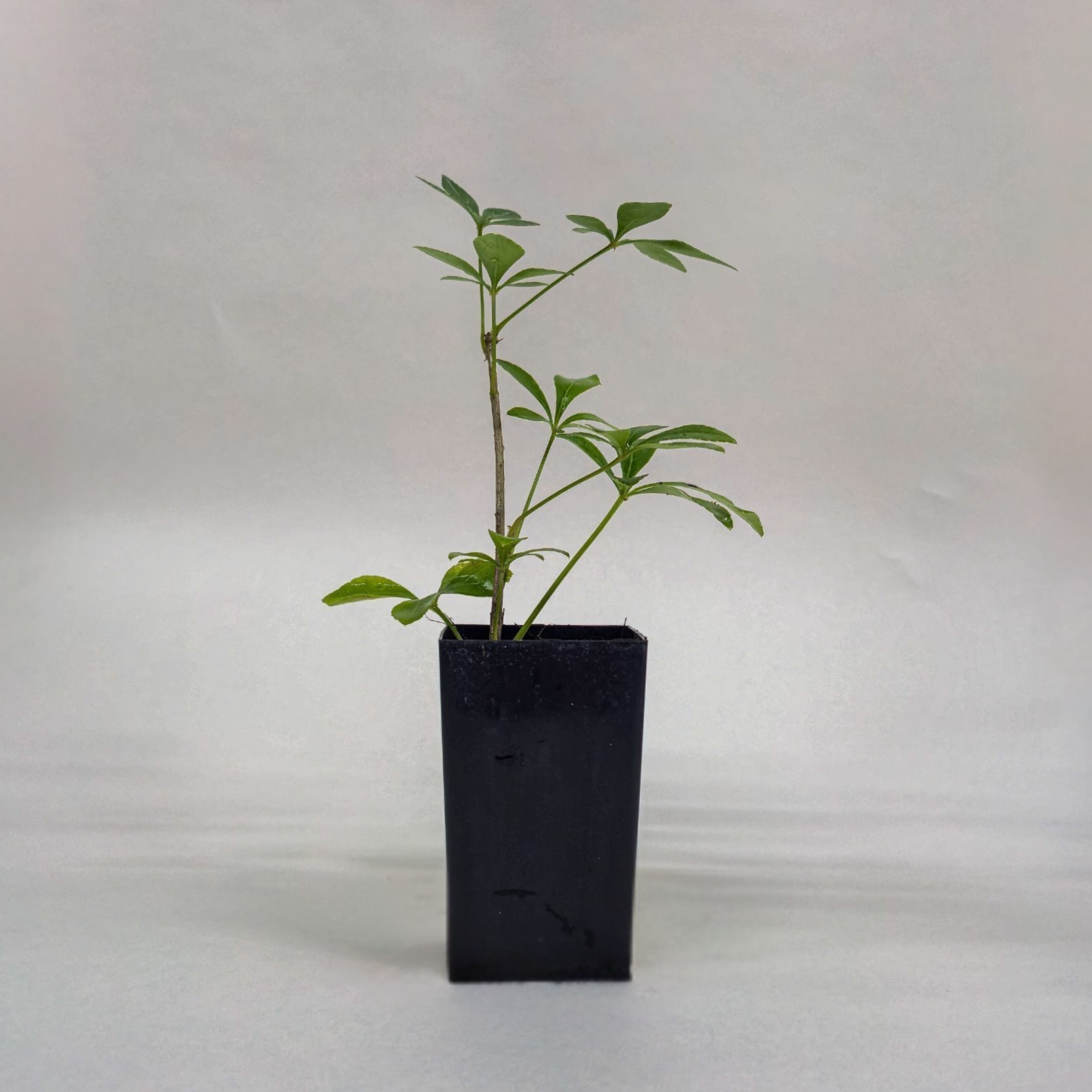
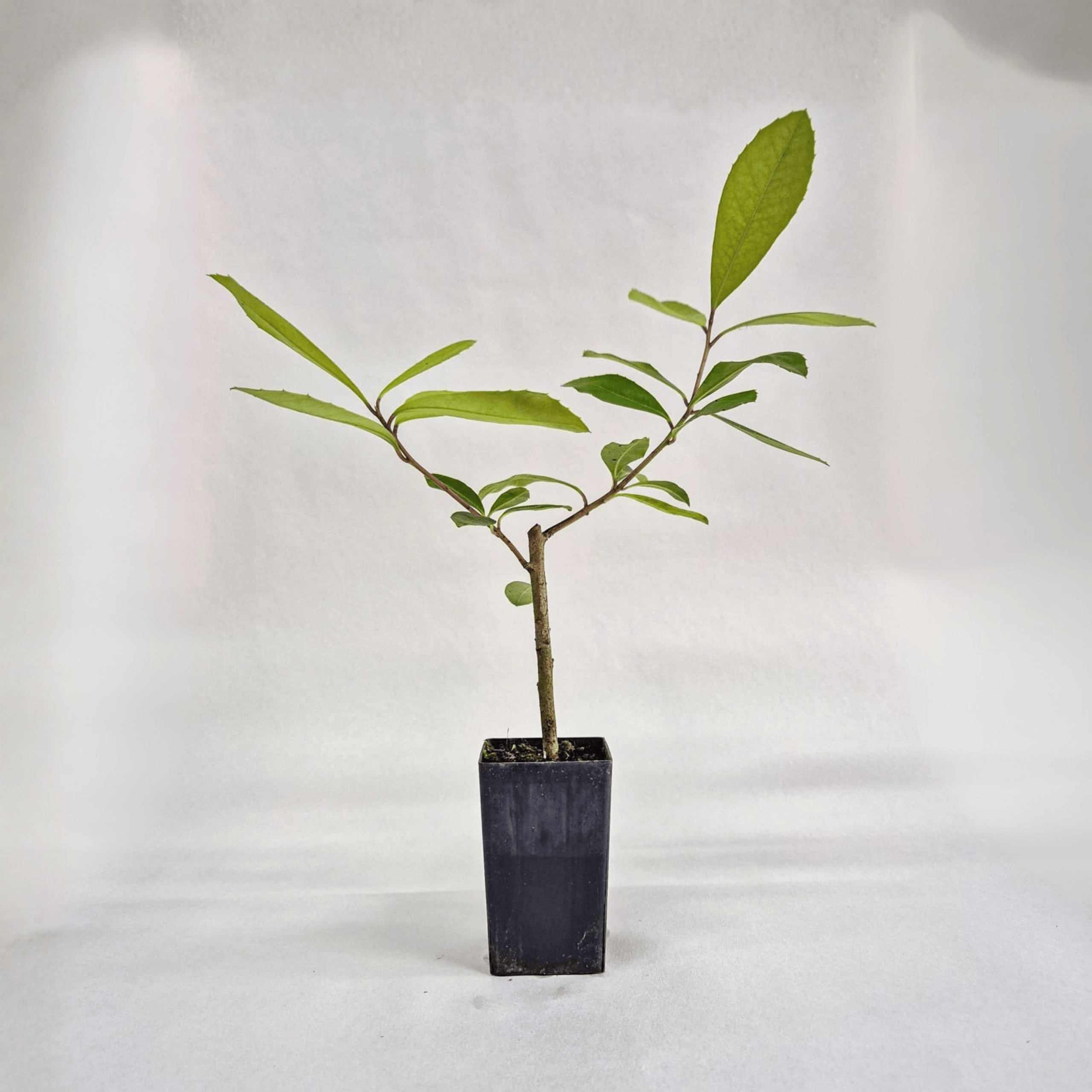
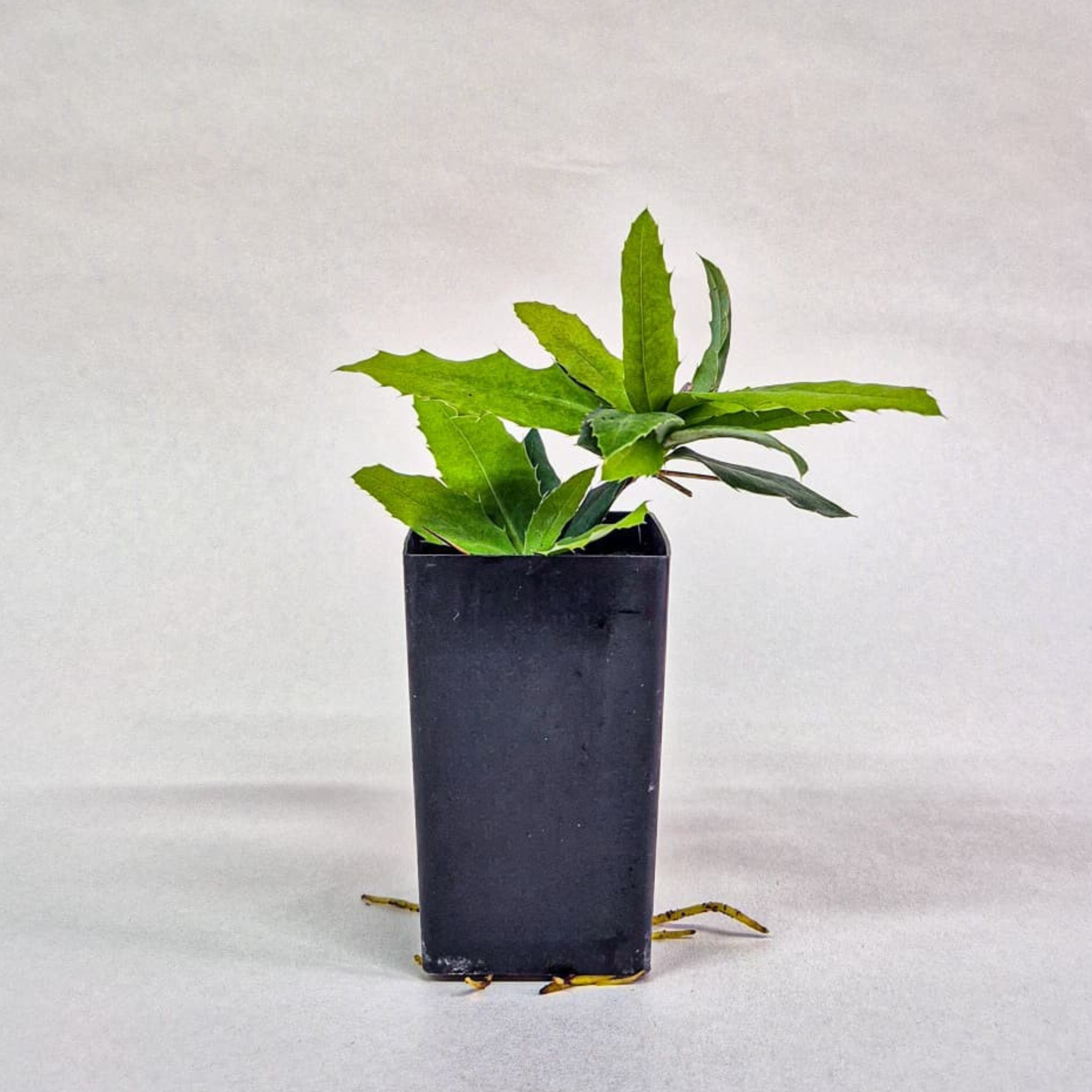
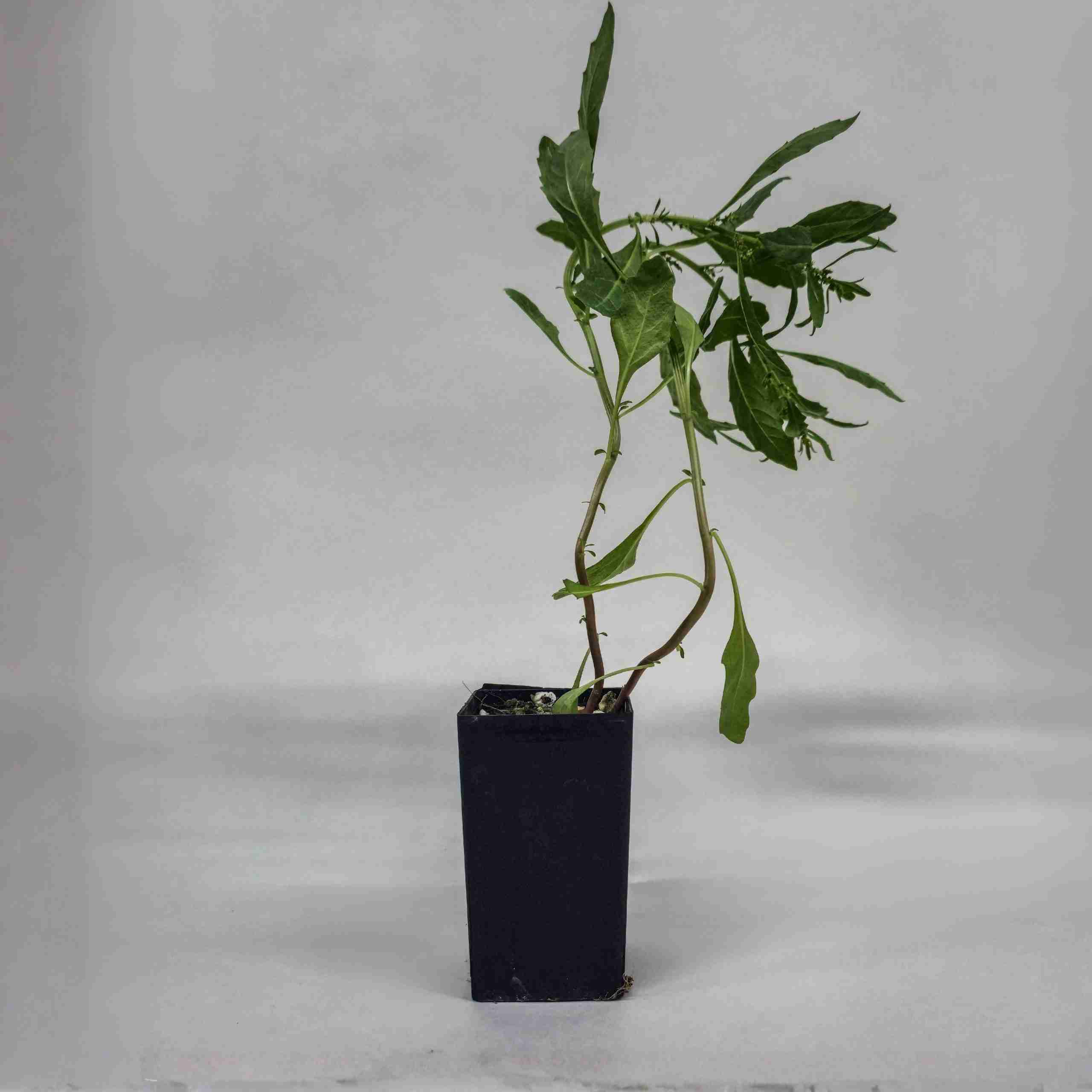
Siberian Ginseng Plant

Eleutherococcus senticosus

Price range: $19.80 through $27.50

The Siberian Ginseng Plant brings cool-climate resilience, woodland beauty, and a remarkable herbal history to the garden. Moreover, it captivates gardeners with its unique characteristics.

A storied past

Its accepted botanical name is Eleutherococcus senticosus. Common names include Siberian Ginseng, Eleuthero, Eleuthero Ginseng, Russian Ginseng, Taiga Root, Devil’s Bush, Devil’s Shrub, Touch-me-not, Wild Pepper, Barbed Ginseng, Manyprickle Acanthopanax, Ci Wu Jia, Shigoka and Kan Jang.

Native to the Russian Far East, northern China, and Korea, this deciduous shrub belongs to the Araliaceae family. In its natural habitat, it grows beneath woodland canopies and along forest margins. While herbal practices in China, Japan, and Russia have long valued its roots, European and American herbal traditions later adopted Eleuthero as a classic tonic herb.

German Commission E historically recognised root preparations as a tonic for fatigue, weakness, and reduced capacity. Similarly, the European Medicines Agency records traditional use for symptoms of fatigue and weakness. However, these references concern prepared herbal root products, not the unprocessed living plant.

Growing the Siberian Ginseng Plant

This woody perennial can eventually reach 2–6 metres, although pruning can keep it compact. Furthermore, its arching, prickly stems carry handsome leaves with five serrated leaflets. Small flower clusters may produce glossy dark berries, thereby adding seasonal ornamental interest.

To cultivate this plant successfully, choose a protected position with filtered light or gentle morning sun. Additionally, deep, compost-rich, free-draining soil supports strong root development. Keep the soil consistently moist, as established plants tolerate frost better than drought. Finally, mulch the root zone to conserve moisture and keep conditions cool.

The Siberian Ginseng Plant suits woodland gardens, medicinal collections, and sheltered productive landscapes. With patience, you can grow it as a botanical specimen while exploring its place in northern Asian herbal traditions.

Pair it with our Ashwagandha Plant to create a fascinating collection connected with traditional tonic and wellbeing practices. Unlike true ginseng in the Panax genus, this species grows as a hardy shrub. As a result, that difference makes it botanically intriguing and useful in a layered garden.
DETAILS AND CARE

WHY US?

OUR 14 DAY PROMISE:

Your plant arrives healthy or we send you a free replacement

New Varieties Weekly

Fresh and hard-to-find plants, herbs, and seeds added every week.

FRIENDLY PLANT PEOPLE

We are a whatsapp, email or call away, we'll get back to you in 24 hrs

Our Plants People Recommend

Premium liquid indoor plant fertiliser designed to support healthy foliage, root growth, and vibrant indoor plants.

$14

Add to cart
Natural neem oil plant care solution for maintaining healthy foliage on indoor and outdoor plants.

$18.99

Add to cart
Oh so helpful

Other gardners also bought: