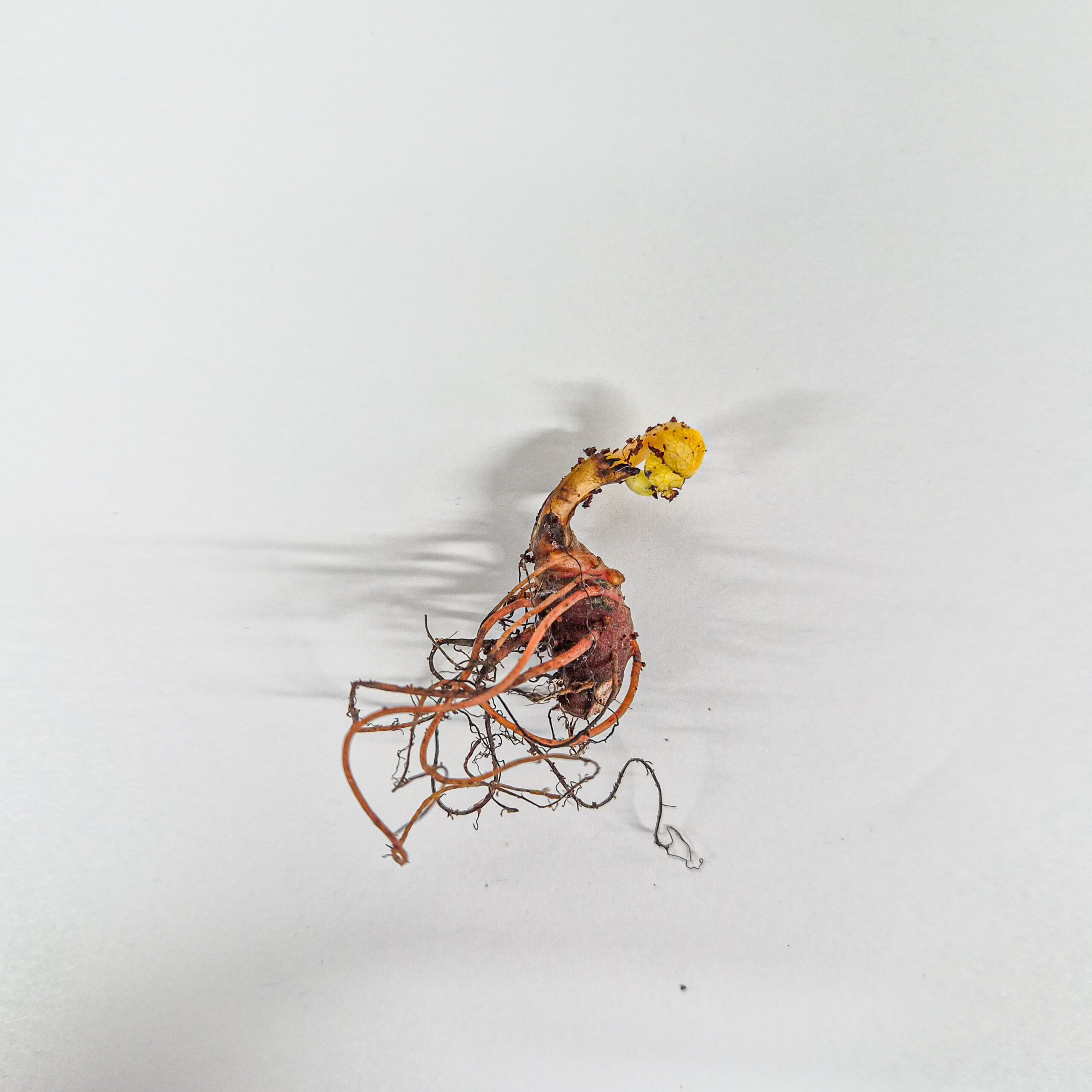
Miracle Fruit Plant creates one of the garden’s most curious tasting experiences. In fact, after just one berry, it turns sharp, acidic flavours surprisingly sweet.
Miracle Fruit Plant with a remarkable gift
The accepted botanical name is Synsepalum dulcificum, a slow-growing evergreen shrub from tropical West and Central Africa. Common names include Miracle Fruit, Miracle Berry, Miracle Plant, Miracle Berry Plant, Miraculous Berry, Magic Berry, Sweet Berry, Red Berry, Agbayun, Asaa, Ledidi, and Taami.
Glossy green foliage gives the shrub year-round appeal. Additionally, under favourable conditions, it can eventually reach around three metres tall, although its slow growth keeps young plants manageable. Meanwhile, small flowers develop into vivid red fruits that stand out against the deep-green leaves.
How the Miracle Fruit Plant changes flavour
The real wonder lies inside each ripe berry. Specifically, its flesh contains miraculin, a natural protein that temporarily changes how the tongue perceives acidic flavours. As a result, after eating the pulp, sour foods such as lemon or lime can taste remarkably sweet without adding sugar.
This unusual effect suits tasting sessions, culinary experiments and memorable garden gatherings. For an even more fascinating taste-testing collection, pair it with our
Tahitian Lime Plant or
Meyer Lemon. Remember to eat the fleshy pulp and discard the seed.
Growing a tropical treasure
To begin, choose a warm, protected position with partial shade, high humidity and rich, well-drained soil. Then, keep the soil consistently moist without waterlogging the roots. Since this tropical species dislikes drought, it also needs protection from frost and cold winds.
In cooler regions, grow it in a container and move it into shelter when temperatures fall. Alternatively, use an acidic growing medium and water regularly during warm weather.
A Miracle Fruit Plant worth waiting for
Patience forms part of this plant’s charm. Indeed, its slow pace makes every flush of growth, flower and brilliant berry feel rewarding. Rare, interactive and beautifully tropical, it offers more than ornamental appeal: as a result, it creates a flavour experience few other fruiting shrubs can match.