$10.70 – $16.50Price range: $10.70 through $16.50
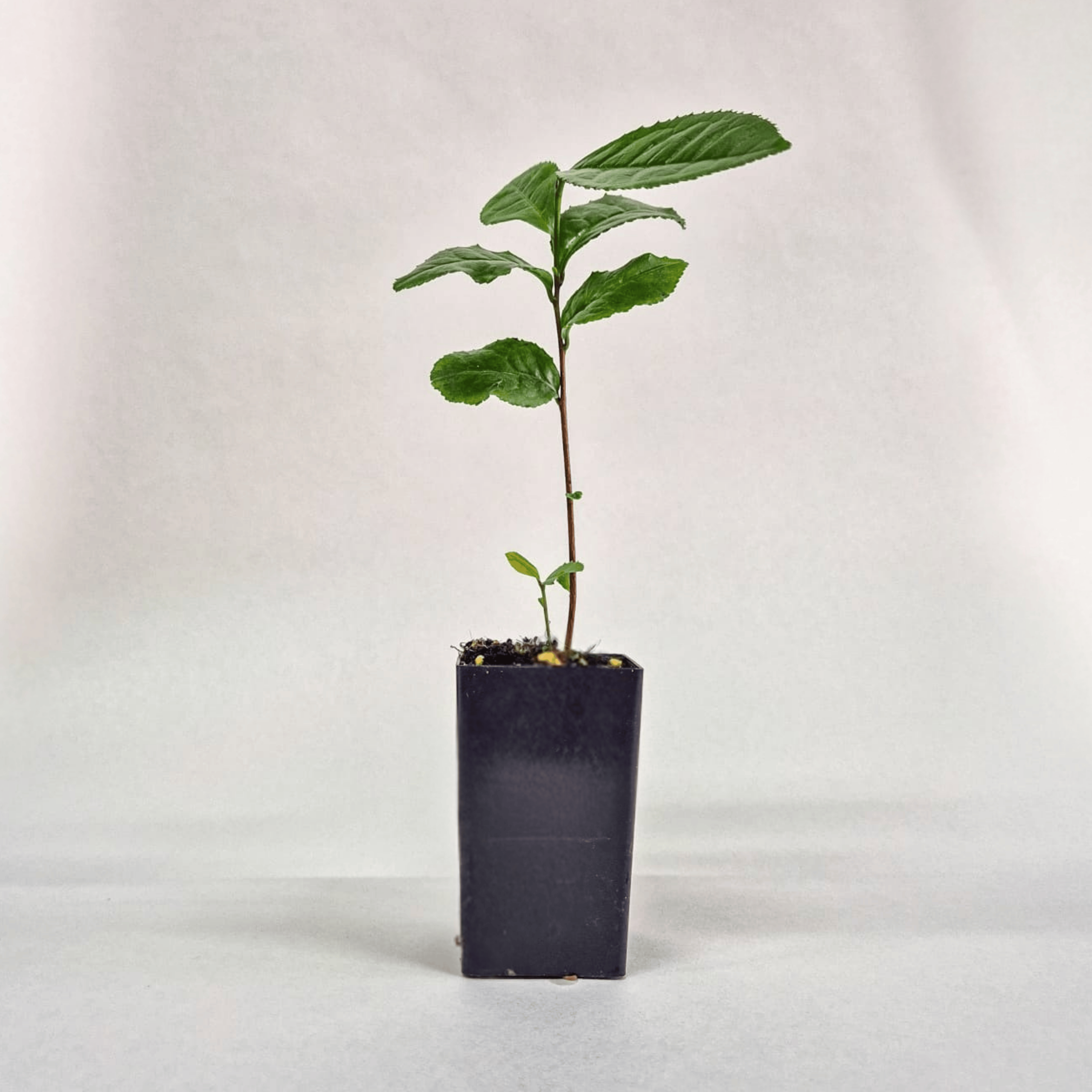
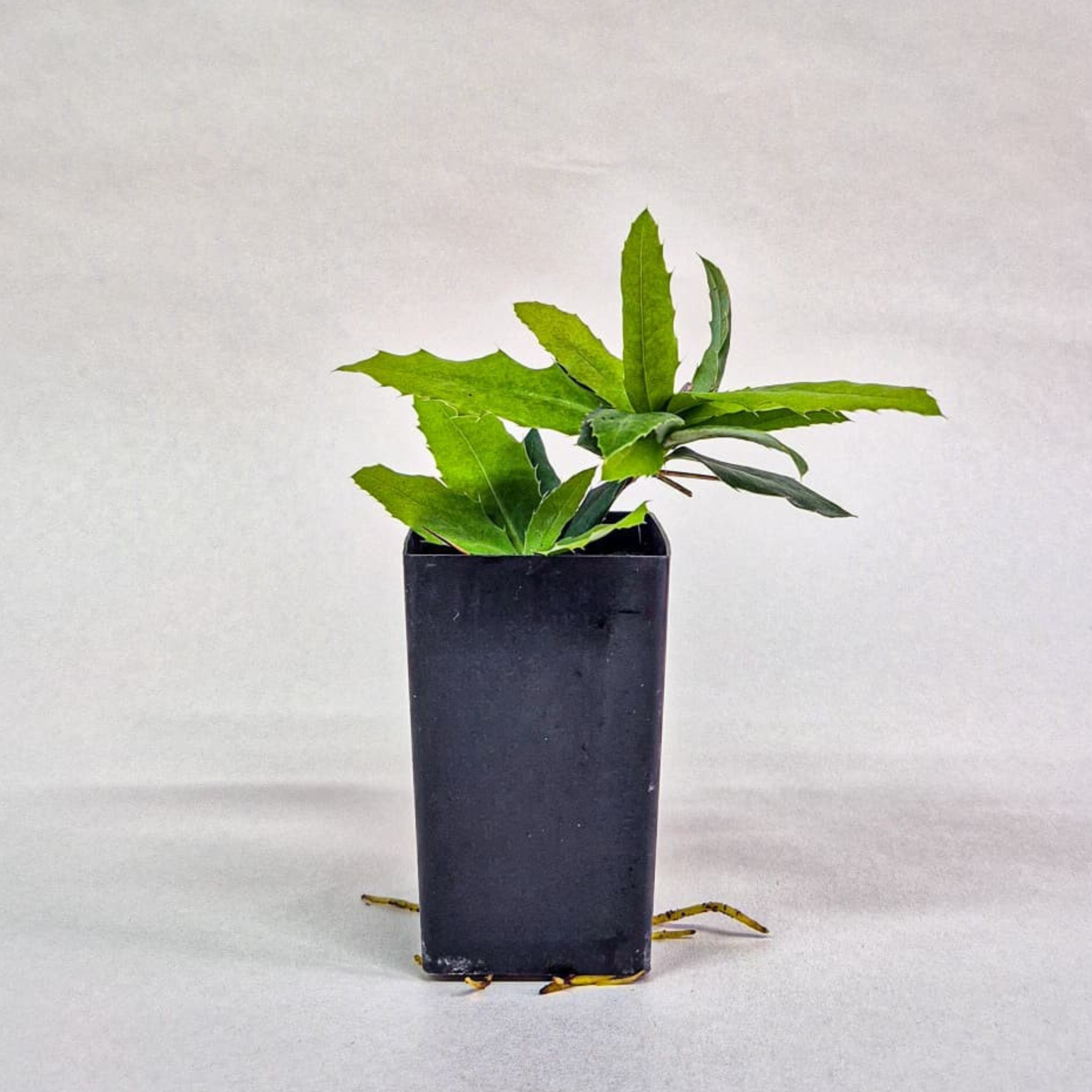
The Japanese Indigo Plant brings centuries of natural dyeing tradition into the home garden through its richly pigmented green leaves. As a result, it offers gardeners a unique opportunity to explore ancient techniques.
Known botanically as Persicaria tinctoria, this annual herb belongs to the knotweed family. In fact, its common names include Japanese Indigo, Chinese Indigo, Dyer’s Knotweed, Indigo Knotweed, Dyer’s Persicaria, Polygonum Indigo, Japanese Indigo Plant, Chinese Indigo Plant, Tadeai, Ai and Aizome Plant.
Although its foliage looks green, the leaves contain compounds that can produce remarkable shades of blue. Consequently, Japanese dyers traditionally cultivated the plant to colour clothing, household textiles and ceremonial fabrics. Through carefully developed techniques, they transformed harvested leaves into the deep, enduring blues associated with Japanese aizome dyeing.
Artisans could use fresh leaves for softer colours. Alternatively, they dried and composted the foliage to produce sukumo, the fermented material used in traditional indigo vats. This process requires patience and skill, but it reveals the extraordinary colour hidden within an unassuming garden herb.
This fast-growing annual can reach approximately 75 cm tall. Furthermore, it develops leafy, branching stems followed by delicate pink or white flowers. The modest blooms add gentle colour without distracting from the foliage.
Choose a protected position with partial shade or bright, filtered light. Keep the soil consistently moist, especially in warm weather. Rich, fertile soil encourages lush leaf growth and provides more material for natural dye projects. Therefore, avoid letting the plant dry out for long periods.
Regular tip pruning encourages branching and creates a fuller plant. Gardeners can also harvest established leaves during the growing season while leaving enough foliage for continued growth. As an annual, it completes its life cycle within one season and can produce seed for future sowing.
The Japanese Indigo Plant suits dyers, textile artists, historical plant collectors and gardeners exploring traditional crafts. For comparison, grow it alongside the Woad Plant to examine two celebrated sources of natural blue dye.

Your plant arrives healthy or we send you a free replacement

Fresh and hard-to-find plants, herbs, and seeds added every week.

We are a whatsapp, email or call away, we'll get back to you in 24 hrs