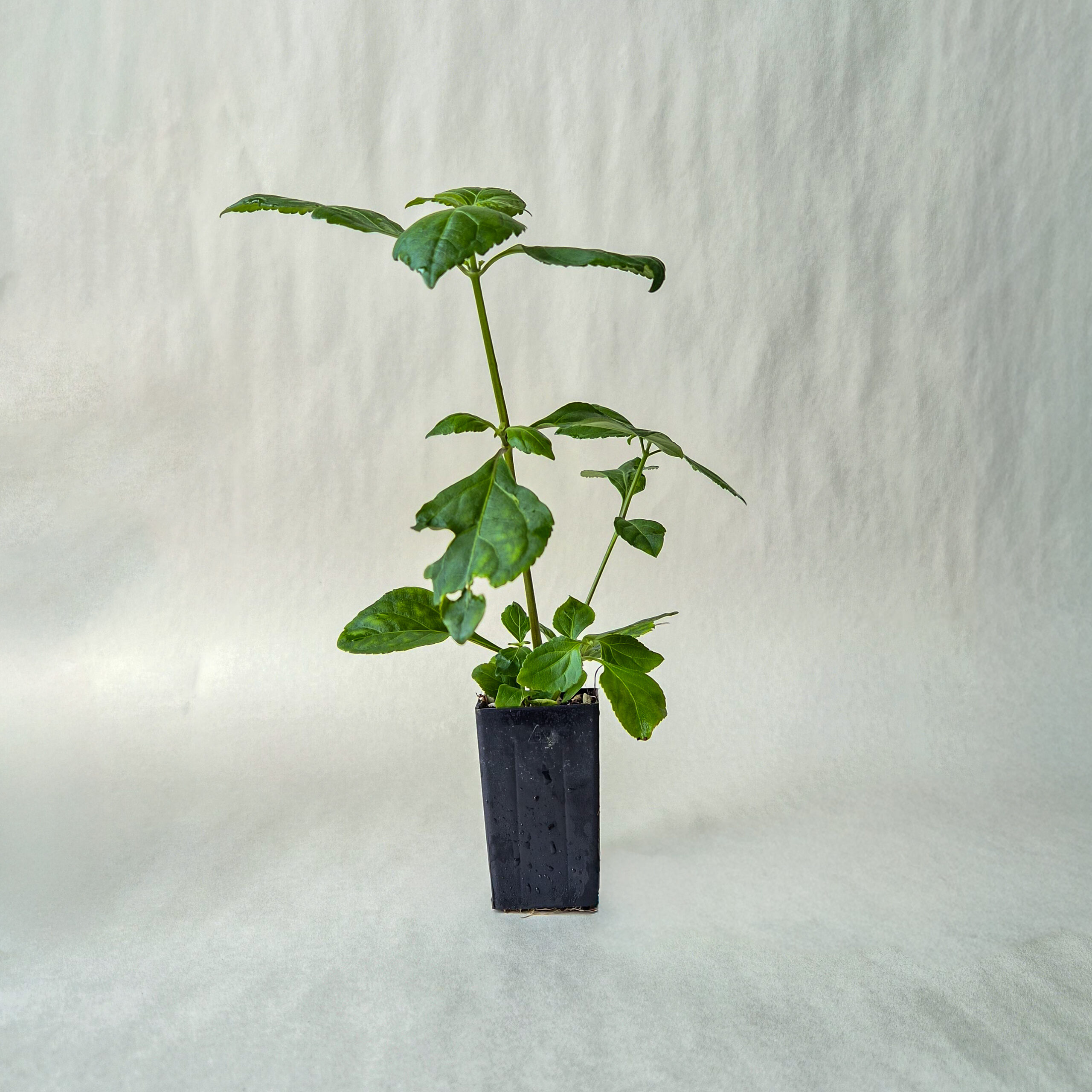
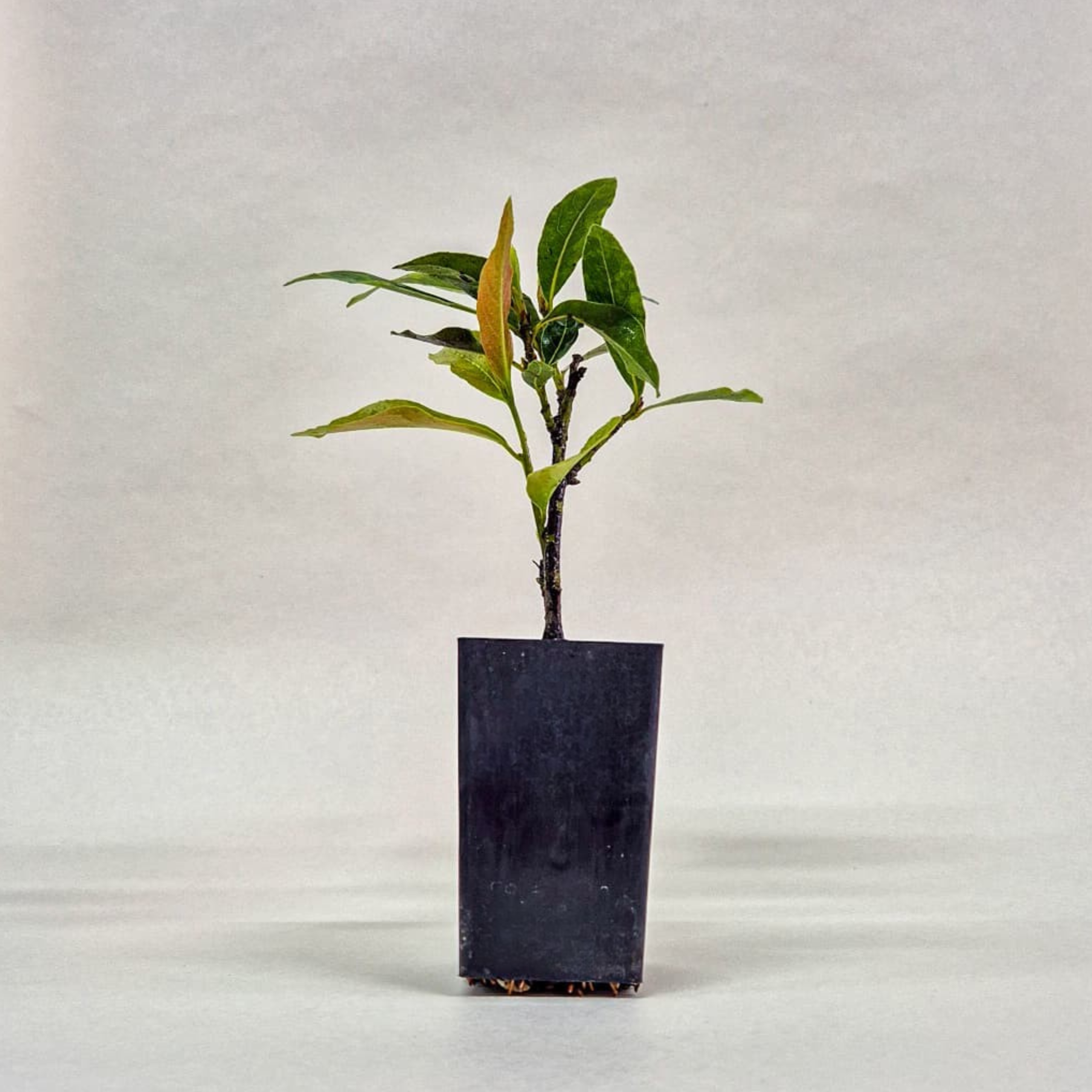
Patchouli Plant brings the unmistakable depth of natural patchouli fragrance into the garden, courtyard, or protected tropical plant collection. It can also elevate any green space with a unique, memorable scent.
Patchouli Plant with an enduring fragrance
The accepted botanical name is Pogostemon cablin (Blanco) Benth., a fragrant perennial in the mint family (Lamiaceae). Common names include Patchouli, Patchouly, Patchouli Plant, True Patchouli, Common Patchouli, Cablin Patchouli, East Indian Patchouli, Penang Patchouli, Fragrant Patchouli, Nilam, Dilem, Guang Huo Xi and Peitcha Pat.
Its soft, broad leaves release a rich, earthy and slightly sweet scent when brushed or crushed. The leaves and stems also contain the aromatic compounds used to produce patchouli essential oil. As a result, this distinctive fragrance has shaped perfumery, cosmetics, incense, and traditional aromatic practices for generations.
Patchouli originates from tropical Asia, including parts of the Malay Archipelago. In fact, it gained international recognition through the historic textile trade. Traders packed valuable fabrics with fragrant leaves during transport from Asia; as a result, the lingering aroma became associated with authentic imported shawls and fine goods. Later, patchouli became an emblematic fragrance of the 1960s and 1970s.
Growing the Patchouli Plant
This warm-climate herb thrives in rich, moist, well-composted soil. For healthy growth, choose a protected spot with partial shade or bright, filtered light. Also, keep the soil consistently moist, but let excess water drain freely.
Patchouli dislikes drought, frost and harsh afternoon sun. However, in suitable conditions, it forms a leafy perennial about 90 centimetres high and 50 centimetres wide. Regular tip pruning encourages bushier growth and provides fragrant foliage for home use.
Aromatic uses around the home
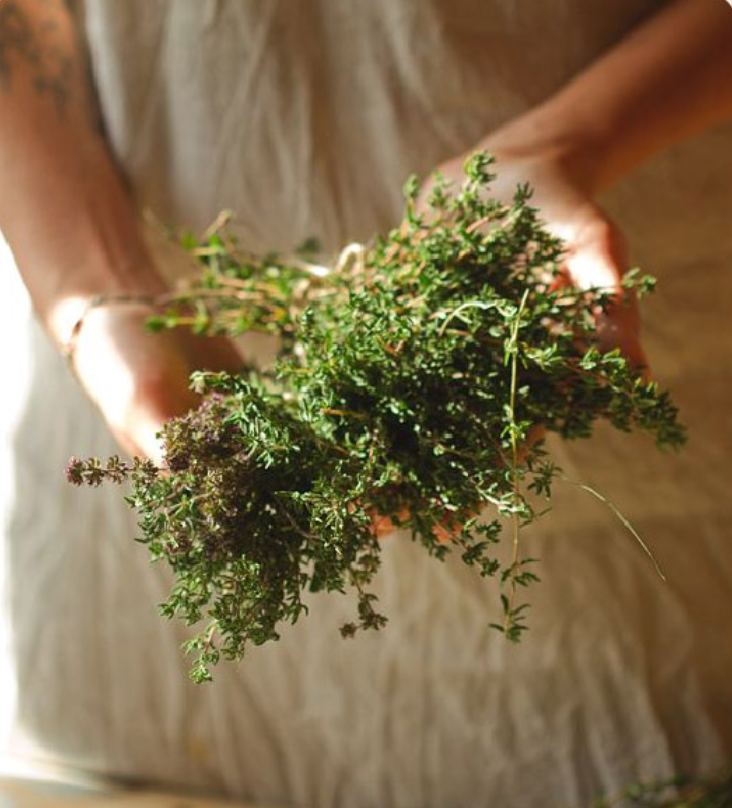
Harvested leaves can scent potpourri, bath bags and homemade aromatic blends. In addition, crushed foliage has traditionally served as a natural insect repellent and companion planting material. Gardeners can also dry the leaves for sachets and other fragrance projects. Alternatively, you can use the dried leaves in other fragrance projects around the home.
For a layered perfume garden, consider growing it alongside our
Ylang Ylang Plant or
Agarwood Tree. Each offers a distinctive botanical fragrance and a remarkable cultural story.
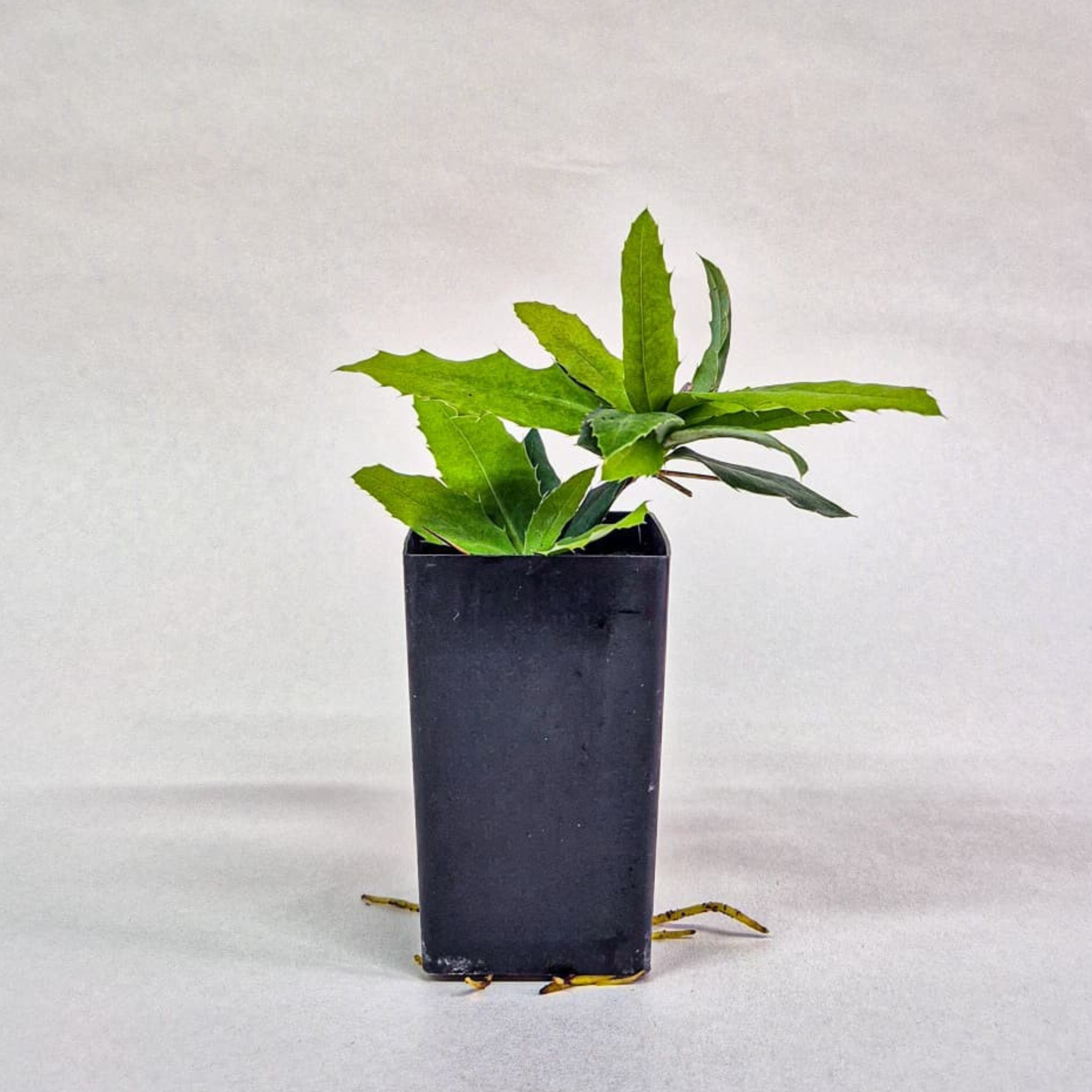
Choose your preferred size when ordering. As soon as you order, we ship plant orders via Express Post, so they arrive promptly and ready for their new home.