Aromatic Treasure of Asia
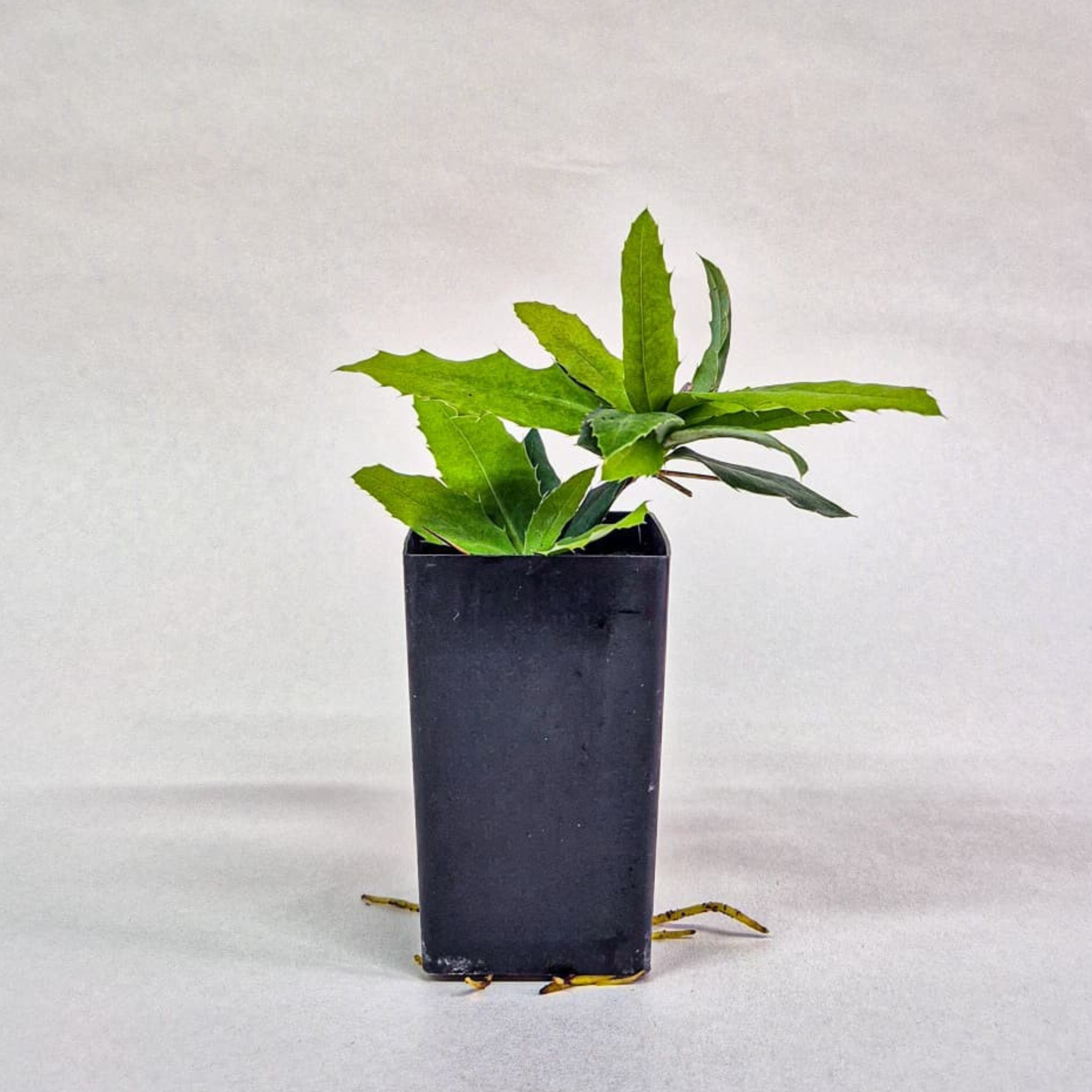
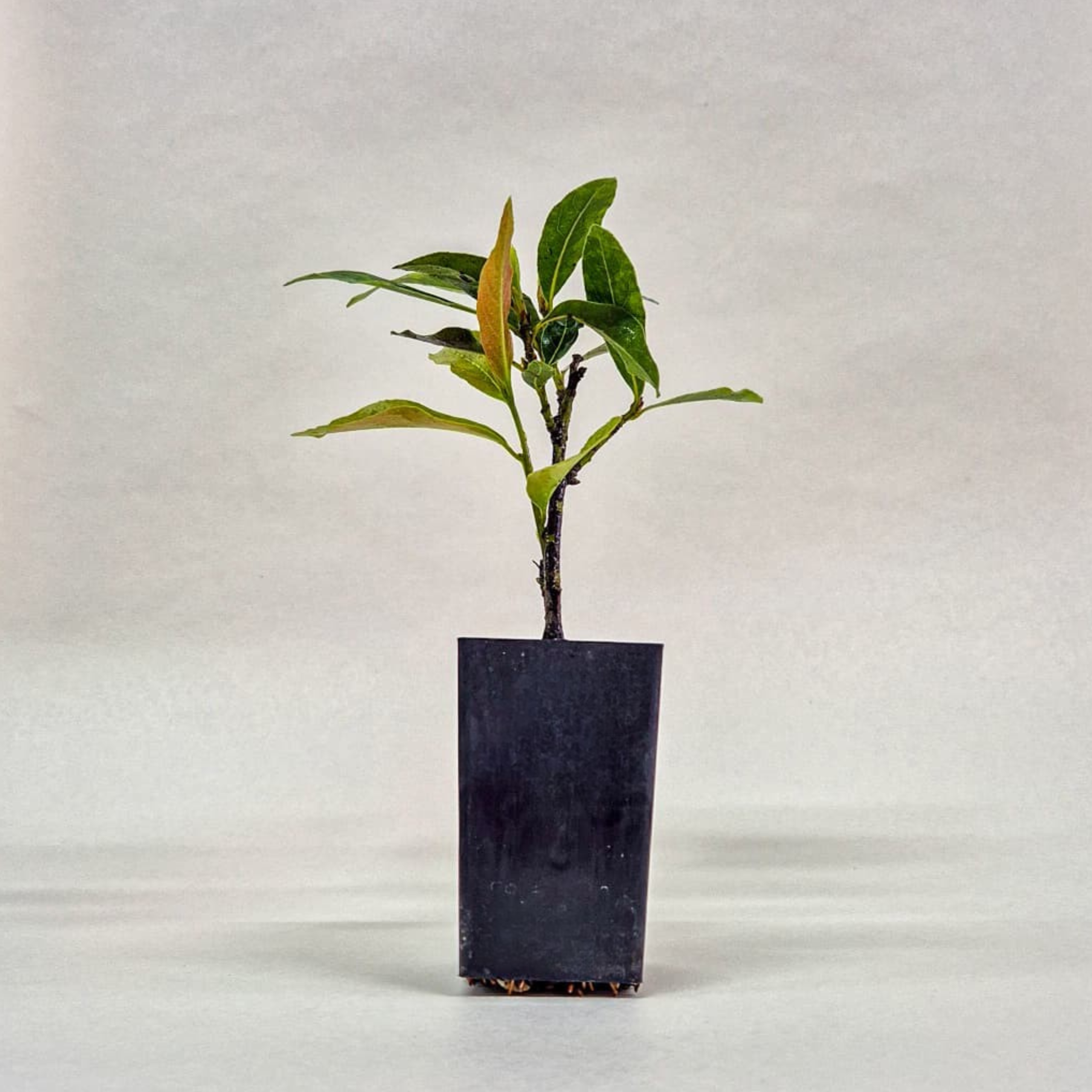
Agarwood Tree (Aquilaria crassna) is a prized medicinal and aromatic tree known by many names, including Eaglewood, Aloeswood, Gaharu, Oud, Agar Tree, Cambodian Agarwood, Indochinese Agarwood, and Mai Kritsana. Indeed, people throughout Asia have treasured this tree for centuries because of its fragrant resin, cultural significance, and traditional medicinal uses.
Native Habitat and Growth
Native to Southeast Asia, this evergreen species displays glossy green foliage and an upright habit. Additionally, in natural conditions, mature trees can grow tall, provide shade, and supply the highly sought-after agarwood resin. When injured or infected by fungi, the tree consequently produces aromatic heartwood. As a result, its rich fragrance has made it famous worldwide.
Agarwood Tree Resin and Its Uses
The unique value of Aquilaria crassna comes from its extraordinary resin. In fact, for thousands of years, people have used agarwood in incense, perfumes, religious ceremonies, and traditional medicine. Therefore, its deep, complex scent makes it one of the most valuable natural aromatics. After distillation, the resin is transformed into precious oud oil, a key ingredient in luxury fragrances and aromatherapy products.
Medicinal Benefits
Traditional Chinese and Ayurvedic medicine use agarwood to support digestion, ease respiratory complaints like asthma, and promote relaxation. Furthermore, many value the aromatic resin for its calming properties and use it to reduce stress, encourage restful sleep, and improve mental clarity. Healers also use it as a tonic and attribute it with anti-inflammatory and antimicrobial properties in traditional healing systems.
Agarwood Tree in Horticulture
Beyond its medicinal and aromatic significance, this unique tree rewards collectors and specialty plant enthusiasts. Moreover, it thrives in warm, frost-free climates with well-drained soil and regular moisture. Consequently, many gardeners who seek rare medicinal species grow them alongside
Aloe Vera (Aloe vera) and
Allspice (Pimenta dioica) to create a diverse and useful botanical collection.
Lasting Appeal
This species stands out for its ornamental beauty, rich cultural history, and remarkable aromatic potential. Ultimately, it remains one of the most fascinating and valuable trees for plant enthusiasts today.