EXCLUSIVE • ALL RARE HERBS EXCLUSIVE • ALL RARE HERBS EXCLUSIVE • ALL RARE HERBS EXCLUSIVE • EXCLUSIVE • ALL RARE HERBS EXCLUSIVE • ALL RARE HERBS EXCLUSIVE • ALL RARE HERBS EXCLUSIVE •

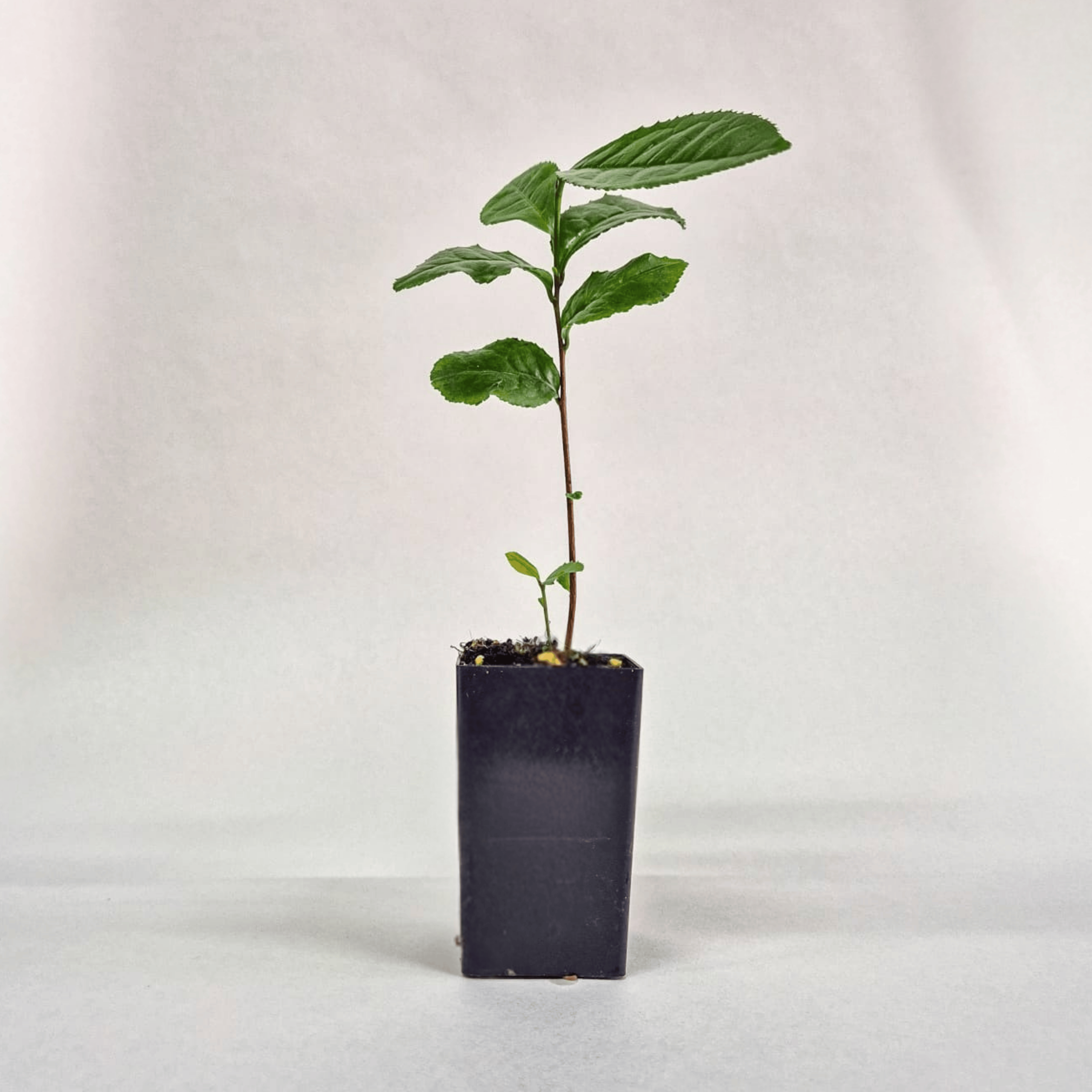
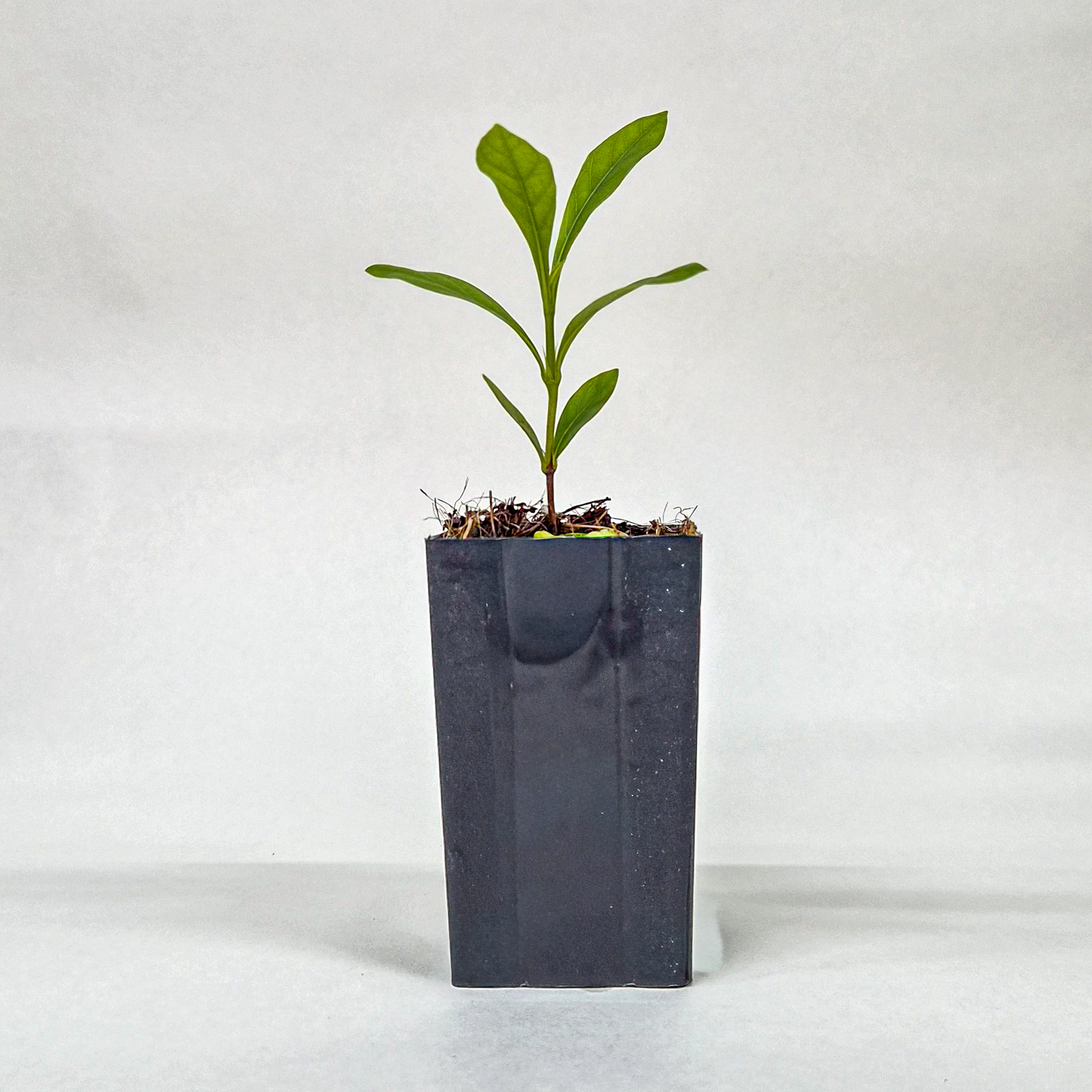
Marmalade Fruit Plant

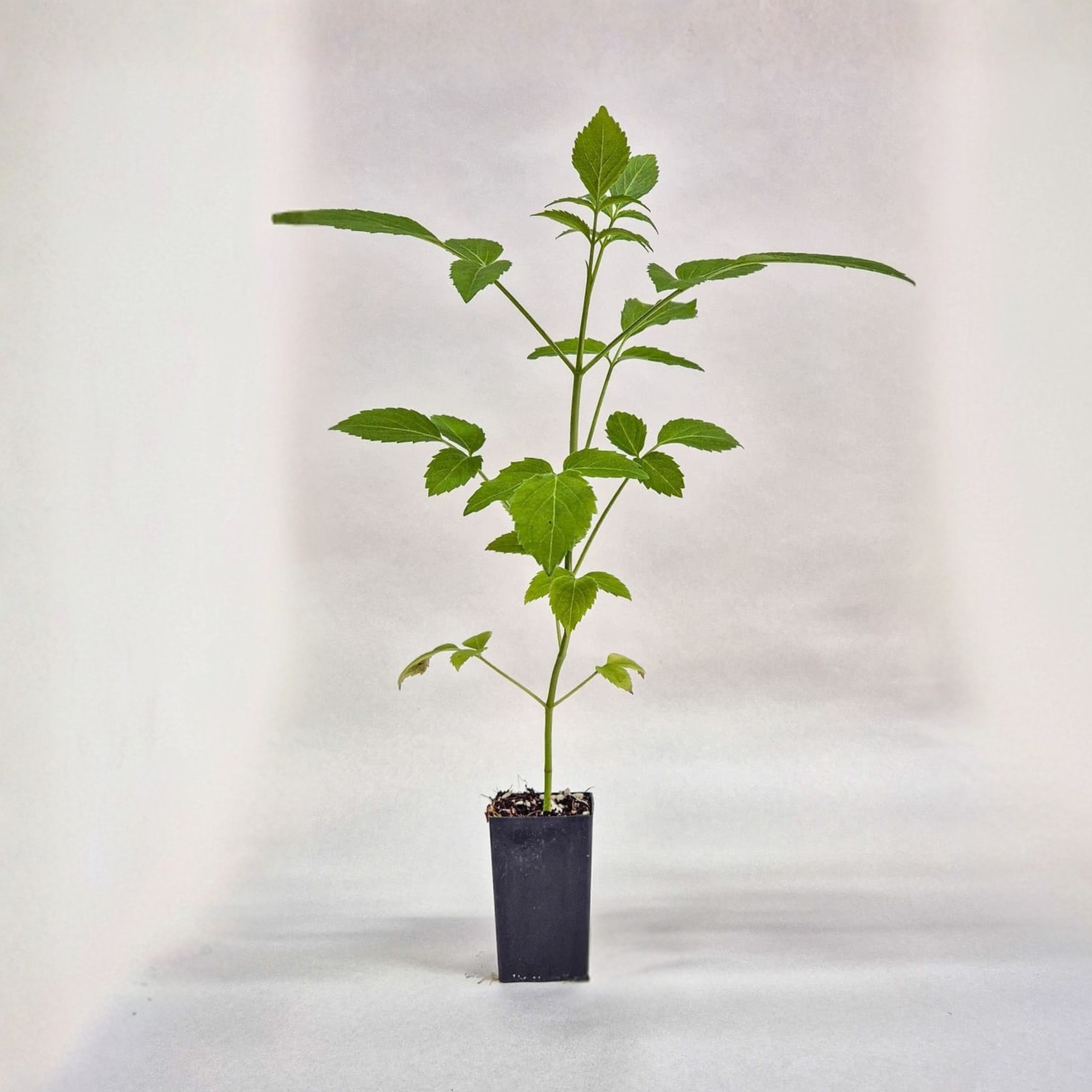
Alibertia edulis (syn. Amaioua edulis, Amaioua utilis, Cordiera edulis, Gardenia edulis, Genipa edulis)

$12.10

10 in stock

A Rare Fruit with a Remarkable Story

The Marmalade Fruit Plant introduces one of tropical America’s lesser-known edible fruits to home orchards. In fact, Alibertia edulis, its botanical name, describes an unusual shrub or small tree native to southern Mexico, Central America, and tropical South America, including the Brazilian Amazon.

People have long gathered the fruit from wild trees, but it remains rare in cultivation. As a result, its many regional names reflect the communities and landscapes that know the fruit: Marmalade Fruit, Marmelada, Mermelada, Marmelo, Marmelada-de-jardim, Puruí, Apuruí, Madroño, Trompito, Trompillo, Pera, and Perita.

What Makes the Marmalade Fruit Plant Special?

This tropical member of the coffee family grows glossy green leaves and fragrant, trumpet-shaped white flowers that gradually turn yellow. Depending on growing conditions, it may form a shrub or a compact tree. Therefore, it makes an intriguing specimen for tropical fruit collections, warm gardens, and protected growing spaces.

The fruit forms a firm outer skin around dark, aromatic pulp with a sweet-tart or subacid flavour. Consequently, its rich taste and usefulness in preserves inspired names like Marmalade Fruit and Marmelada.

The Marmalade Fruit Plant is dioecious, so each plant usually produces only male or only female flowers. Because both sexes are needed for pollination and fruit, planting several seedlings offers the best chance of getting fruit. Typically, growers can’t tell the plant’s sex until it flowers.

Traditional Uses of the Marmalade Fruit Plant

Across its native range, people eat the ripe fruit fresh or turn it into juices, jams, jellies, sweets, and other preserves. Additionally, its distinctive pulp allows adventurous growers to try fruit rarely found in Australian kitchens. Furthermore, research shows the fruit contains phenolic compounds and antioxidants, adding scientific interest to its culinary history.

Grow the Marmalade Fruit Plant in a warm, humid spot with fertile, well-draining soil and consistent moisture. In addition, protect it from frost. Young plants prefer bright, filtered light while they establish.

For a collection of unusual tropical flavours, grow it with our Miracle Fruit Plant or explore its family link to our Coffee Plant. Ultimately, together they reveal how many remarkable food plants remain beyond the familiar orchard.

Our Plants People Recommend

Premium liquid indoor plant fertiliser designed to support healthy foliage, root growth, and vibrant indoor plants.

$13.99

Add to cart
Natural neem oil plant care solution for maintaining healthy foliage on indoor and outdoor plants.

$18.99

Add to cart
DETAILS AND CARE

WHY US?

OUR 14 DAY PROMISE:

Your plant arrives healthy or we send you a free replacement

New Varieties Weekly

Fresh and hard-to-find plants, herbs, and seeds added every week.

FRIENDLY PLANT PEOPLE

We are a whatsapp, email or call away, we'll get back to you in 24 hrs

Oh so helpful

Other gardners also bought: