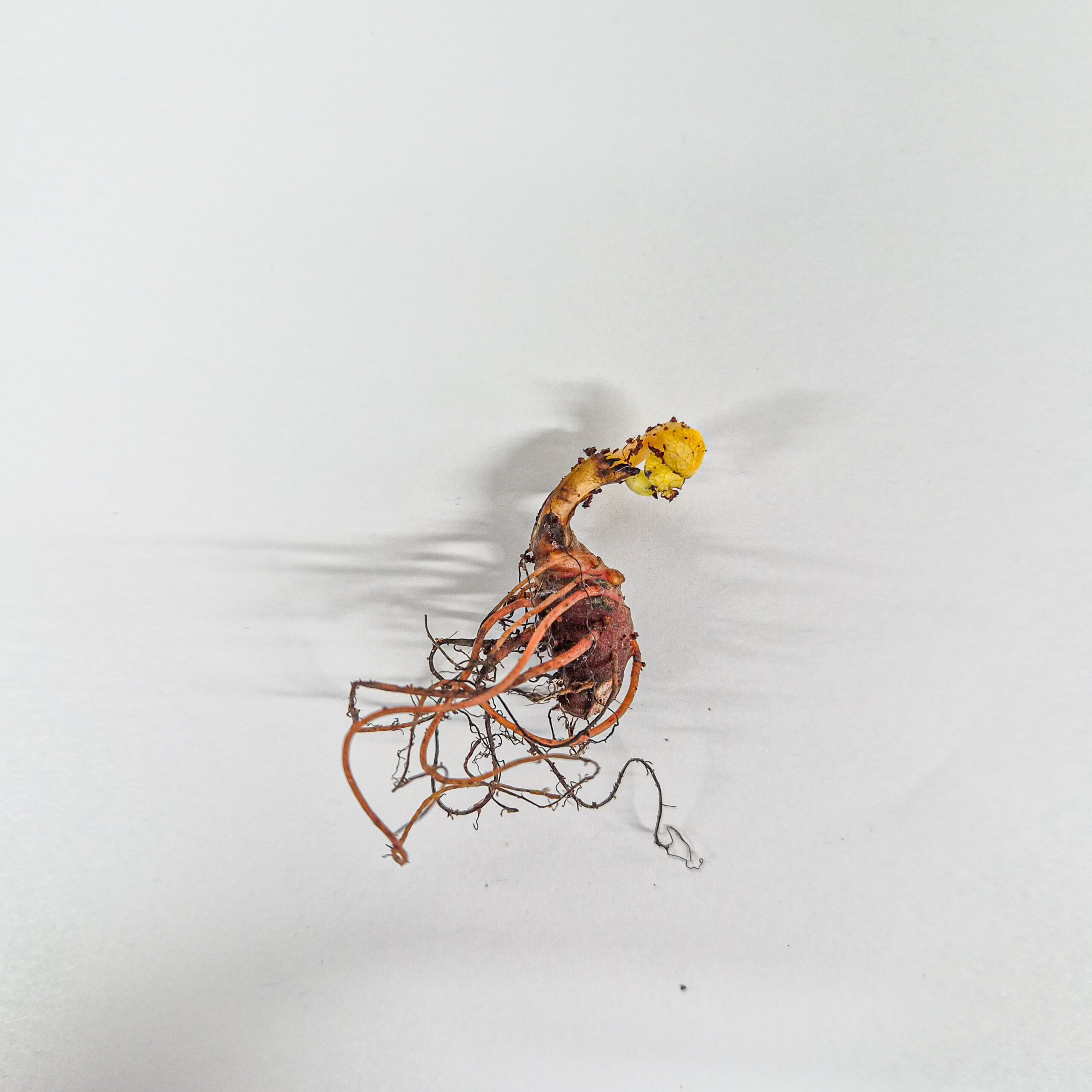
The Cassia Cinnamon Plant brings the bold fragrance of traditional cinnamon into the garden through its aromatic foliage, bark, and evergreen growth. Moreover, its presence creates a sensory experience that delights gardeners year-round.
Meet the Cassia Cinnamon Plant
Botanically recognised as Cinnamomum aromaticum, this tropical to subtropical tree belongs to the laurel family. In fact, its common names include Cassia Cinnamon, Chinese Cassia, Chinese Cinnamon, Canton Cassia, Kwangsi Cassia, Cassia Bark, Chinese Cinnamon Tree, Dutch Cinnamon, Baker’s Cinnamon, Bastard Cinnamon, Kwei, Kwei Chih, Rou Gui, and Gui Pi.
Native to southeastern China and Vietnam, cassia has travelled through kitchens, spice markets, and traditional plant practices for centuries. As a result, its bark supplies the robust cinnamon flavour familiar in baking, spice blends, and warming savoury dishes. Compared with Ceylon cinnamon, cassia offers a stronger, hotter, and slightly earthier character.
Cassia Cinnamon Plant Features
Green leaves display three prominent veins that run lengthwise from near the base. Gently crush a leaf to release a warm, spicy scent. Furthermore, fresh growth may emerge green, bronze, or reddish before maturing, while established plants develop an attractive upright form. Small pale flowers can appear in branching clusters as the tree matures, followed by dark fruits.
In warm climates, grow it outdoors in full sun to partial shade. Additionally, give it fertile, well-drained soil, regular moisture, and protection from frost and drying winds. Conversely, gardeners in cooler areas can keep younger specimens in containers and move them into a warm, sheltered position during winter.
Growing and Using a Cassia Cinnamon Plant
Cassia makes an unusual edible-garden specimen, aromatic screening tree, or conversation piece for spice collectors. While established branches supply the bark associated with cassia cinnamon, harvesting quality bark requires patience and careful processing. Meanwhile, the aromatic leaves and twigs also bring fragrance to the garden.
For a useful comparison, grow it alongside our
Ceylon Cinnamon Plant and observe the differences in foliage, growth, and aroma. In addition, the
Star Anise Plant and
Clove Plant can expand the collection into a living spice garden filled with historically important tropical species.
Cassia naturally grows into a substantial tree. So, give it enough room, or prune it thoughtfully, to keep the garden manageable.