$14.30
37 in stock
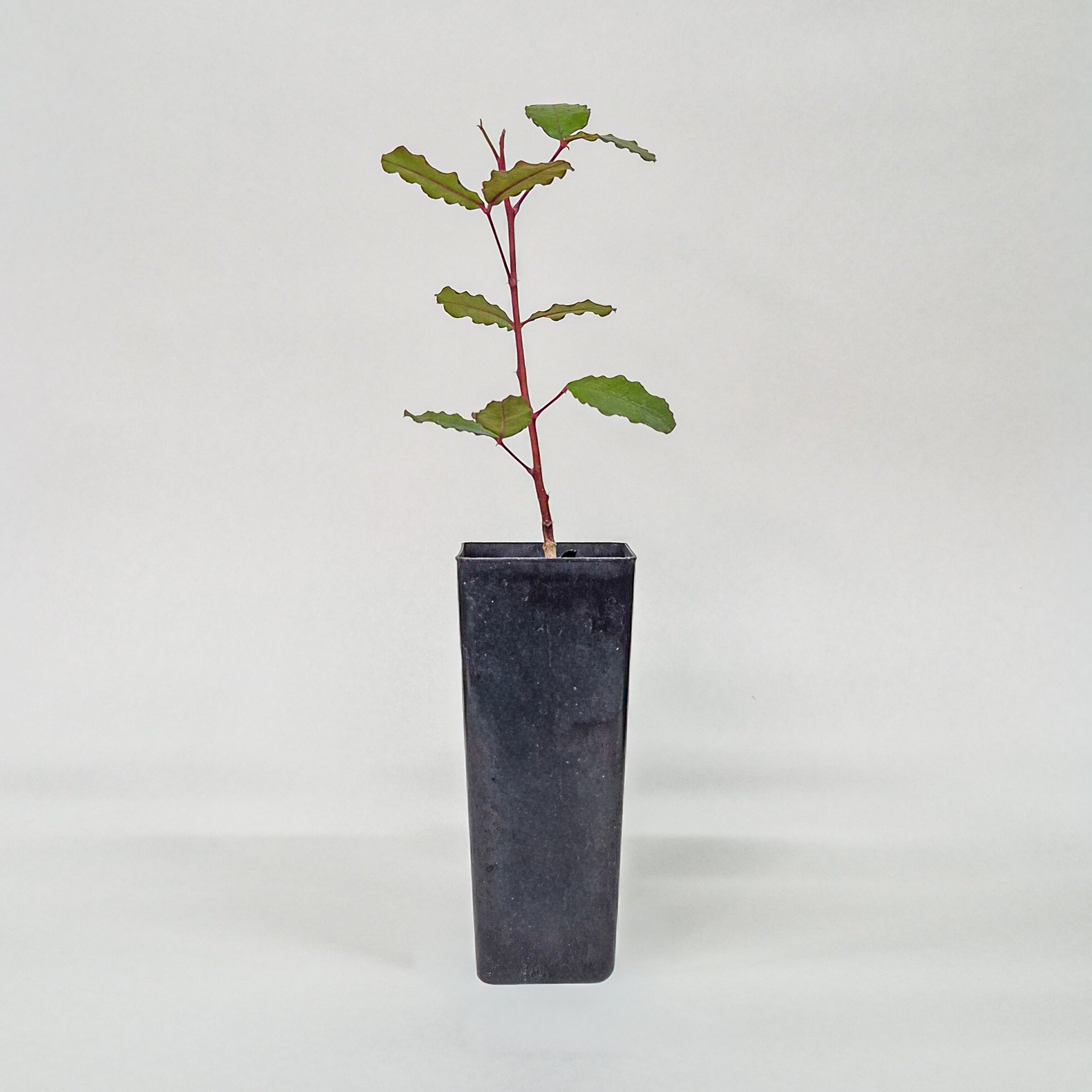
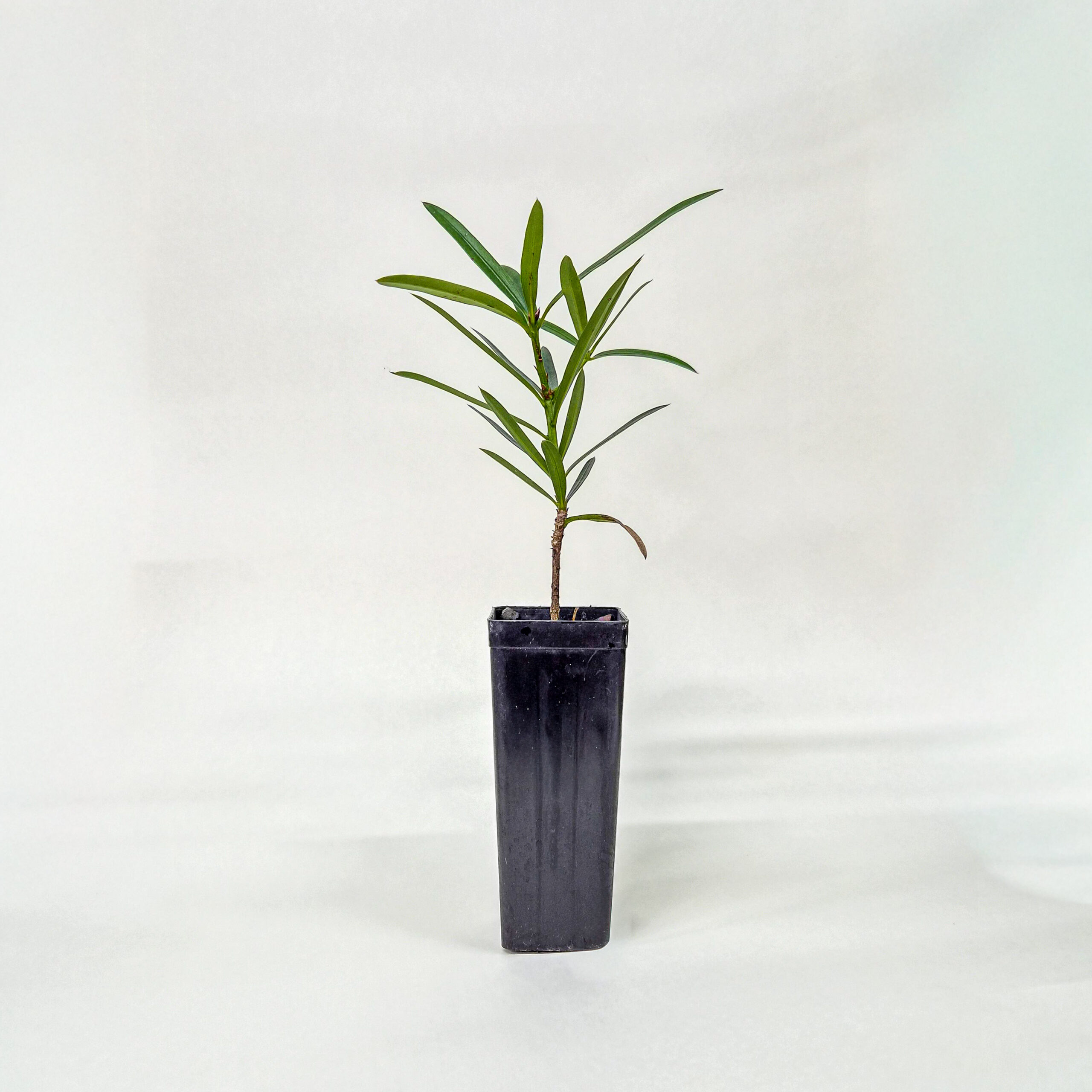
A Carob Tree Plant grown from seed collected from a bisexual carob offers Mediterranean heritage. It also showcases the natural variation that comes from seed propagation. The accepted botanical name is Ceratonia siliqua L. This evergreen legume is prized for its resilience, dense foliage, and naturally sweet pods.
The parent tree produced bisexual flowers. These contain both male and female reproductive parts. This trait makes the seedling particularly interesting, but it doesn’t guarantee the plant will become bisexual. Carobs grown from seed may mature as male, female, or bisexual. You can usually confirm their sex only once they flower. Each seedling grows with its own genetic individuality, characteristics, and growth habit.
Native from the Mediterranean region to Iran, carob develops into a handsome, long-lived tree. Its foliage is glossy and deep green. Once established, the tree handles heat, drought, and poor or calcareous soils remarkably well.
Plant it in full sun with freely draining soil and allow generous space for its broad canopy. Water regularly to help young plants establish and protect them from heavy frost in their early years.
Female or bisexual trees may eventually produce thick brown pods when suitable pollination occurs. You can dry the naturally sweet pulp and mill it into carob powder for baking, drinks, syrups, and preserves. You can also eat the pulp directly from fully ripened pods. Its evergreen canopy also makes an attractive shade tree, windbreak, or lasting feature in a Mediterranean-style edible garden.
The species is known as Carob, Carob Tree, Carob Bean, Carob Bean Tree, Carob Bush, Locust Bean, Locust Bean Tree, St John’s Bread, St John’s Bread Tree, Algarroba, Algarrobo, Kharob, Kharrub, Karob, Caroube, Carrubo and Alfarrobeira.

Your plant arrives healthy or we send you a free replacement

Fresh and hard-to-find plants, herbs, and seeds added every week.

We are a whatsapp, email or call away, we'll get back to you in 24 hrs