Schisandra chinensis, known as Schisandra or Magnolia Vine, thrives as a remarkable deciduous climbing plant. Gardeners and herbalists across East Asia have long prized it for its ornamental beauty and traditional significance. This hardy woody vine grows natively in the cool forests of Korea, Manchuria, northeastern China, and Japan. People have cultivated it for centuries, using it both as a medicinal herb and a productive garden feature. Its role in traditional Chinese herbal practice ensures continued popularity, especially for those seeking vitality, resilience, and overall well-being.
Distinctive Features and Flavour Profile
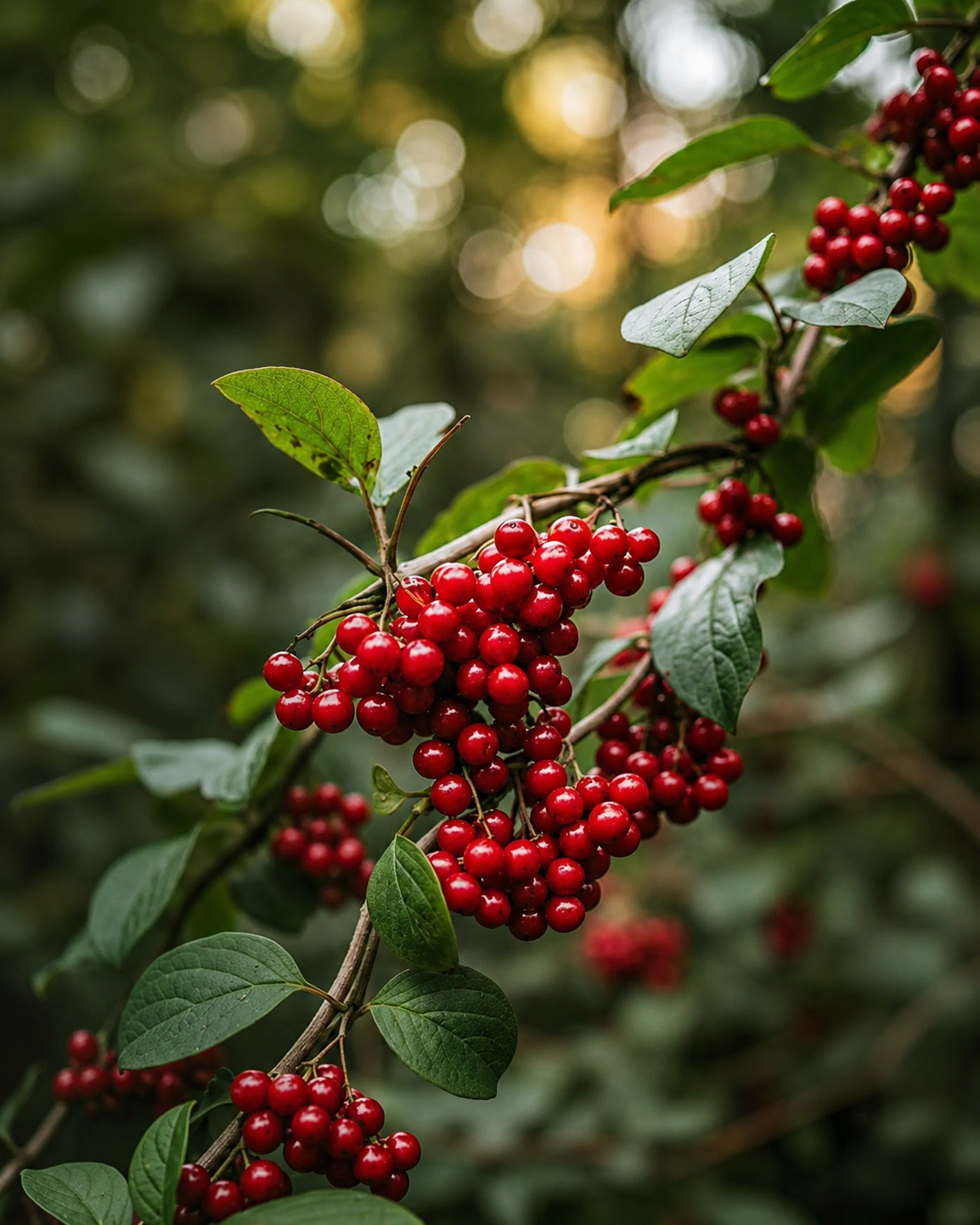
Schisandra produces bright clusters of glossy red berries after its delicate, fragrant pink-and-white flowers bloom in the warmer months. These berries stand out for their “five flavours” profile—sweet, sour, salty, bitter, and pungent—all at once. Herbalists and chefs alike value this unique characteristic, making Schisandra berries popular in traditional remedies and culinary experiments.
Traditional Uses and Ornamental Value
Practitioners of Chinese medicine have historically used Schisandra as an immune-supportive and adaptogenic herb. They often associate it with increased endurance, sharper focus, and nervous system support. Many call it “Chinese Prozac” because of its traditional role in supporting mood, reducing stress, and promoting emotional balance. Folklore and herbal traditions also praise the berries as an aphrodisiac. Alongside these traditional uses, gardeners value Schisandra for its ornamental appeal. It fits beautifully into edible landscapes, cottage gardens, and specialty plant collections.
Growing Habits and Cultivation
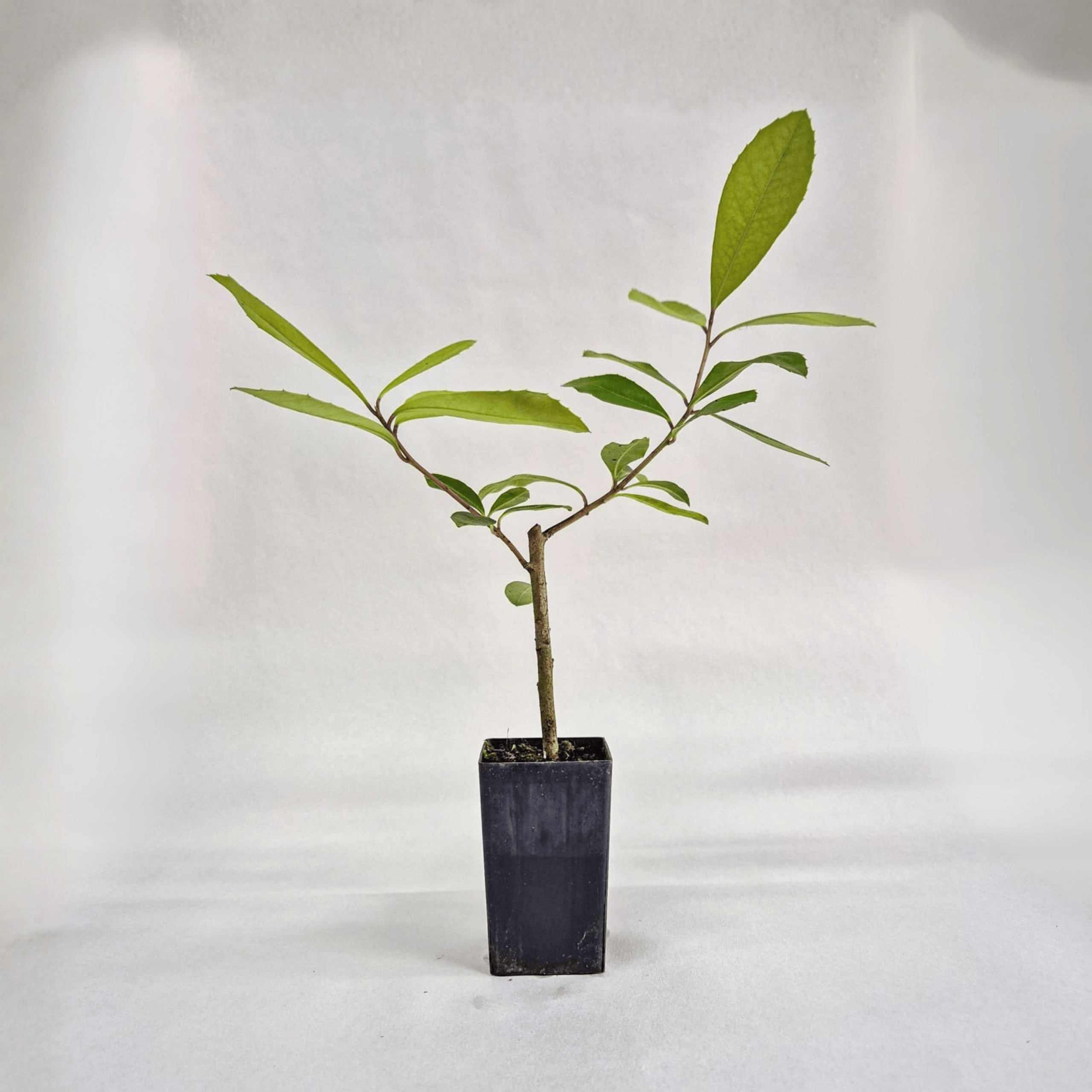
Schisandra grows as a perennial woody vine, reaching about 8 metres in height. It works well on trellises, pergolas, fences, or other vertical supports. The plant displays lush foliage throughout the season and produces fruit that adds vibrant colour. Unlike some other varieties, these Schisandra plants are self-fertile, bearing both male and female flowers. However, planting several vines together can improve pollination and boost fruit production, since male and female flowers may not always bloom at the same time on a single vine.
Growing Conditions
For best results, plant Schisandra in well-drained soil and protect it from harsh afternoon sun. Choose a sheltered, part-shaded spot to mimic its woodland origins. Once established, Schisandra resists both drought and frost and adapts well to a wide range of temperate Australian climates.
Shipping and Planting Instructions
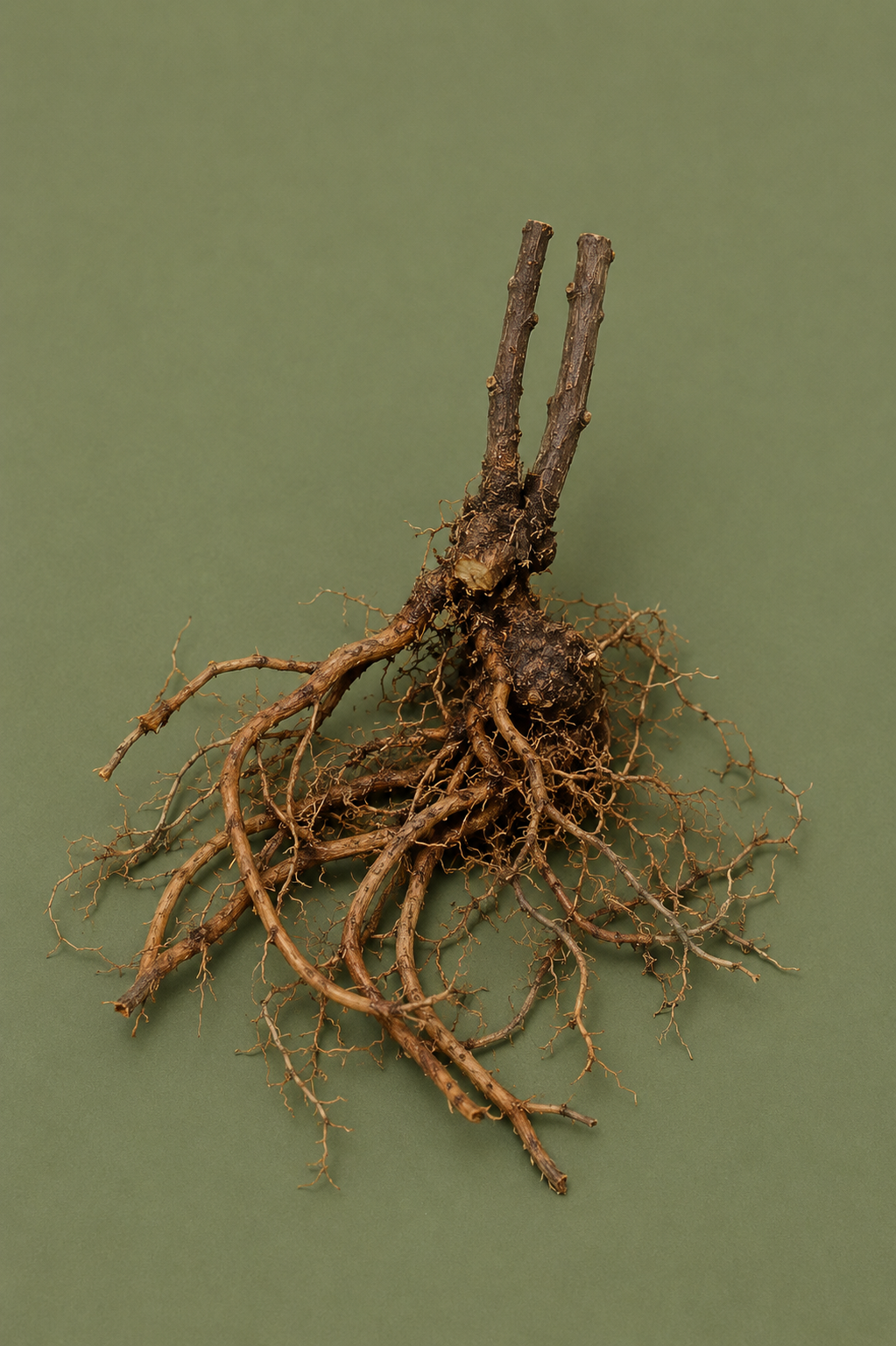
We supply Schisandra plants dormant and bare-rooted, carefully packed in coir to keep the root system moist during transit. When your plants arrive, pot or transplant them promptly while they remain dormant. We ship orders only in July, aligning with the plant’s natural dormancy period to give you the best chance of successful establishment.