$17.60
23 in stock
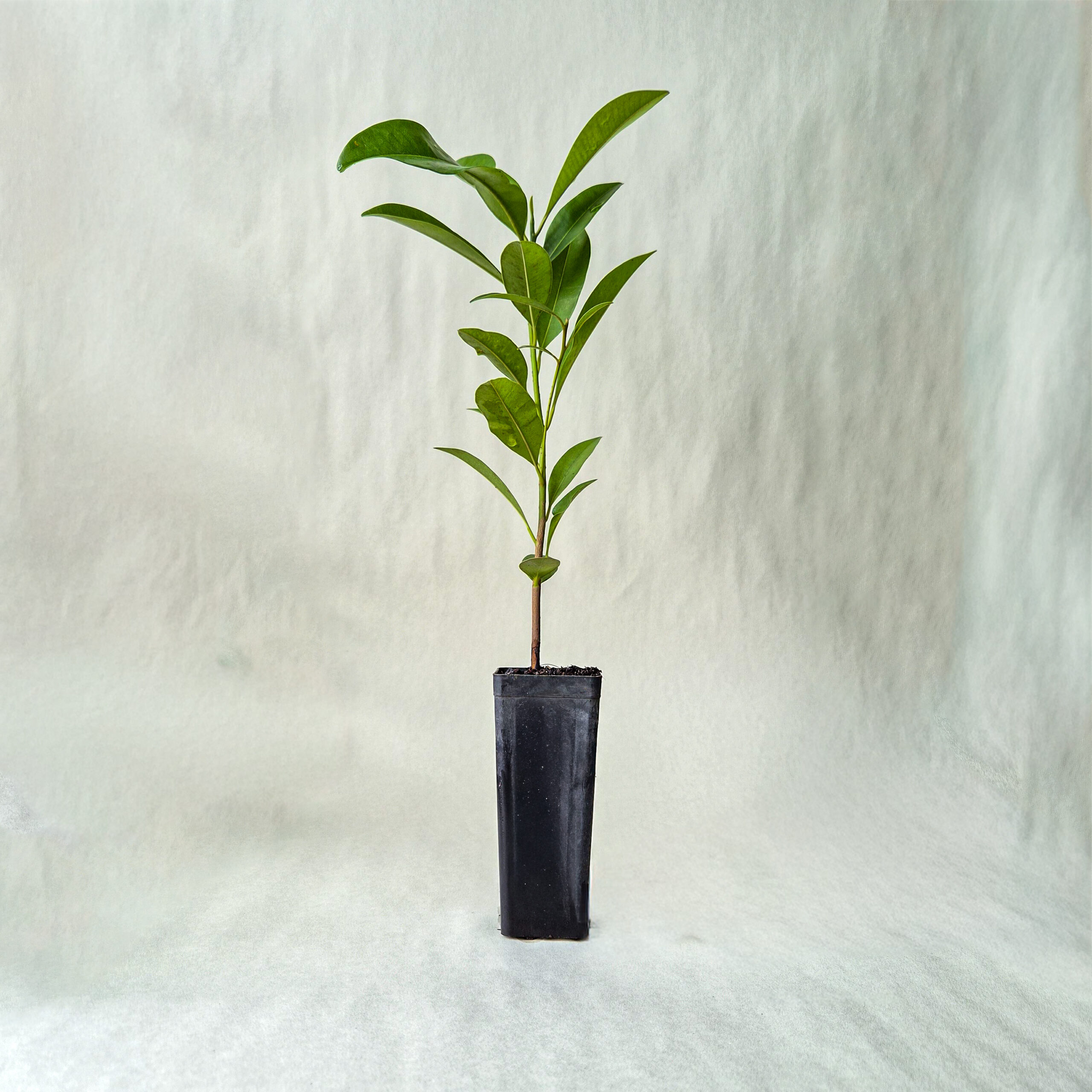
The sapodilla plant brings brown sugar and caramel flavour to your garden, along with glossy evergreen foliage. Botanically known as Manilkara zapota, this tropical fruit tree is native to Mexico and Central America.
Its round-to-oval fruits have thin, brown, slightly rough skins. Inside, soft, finely grainy flesh develops a rich sweetness when fully ripe. As a result, flavour notes suggest caramel, malt and brown sugar, offering something distinctly different for adventurous fruit growers.
Enjoy the ripe flesh fresh with a spoon, or add it to smoothies, desserts, and homemade ice cream. However, remember to remove the seeds before eating, and wait until the fruit softens; otherwise, unripe flesh tastes astringent.
Sapodilla has a remarkable history beyond its sweet fruit. Its bark yields chicle, a natural latex that traditionally formed the base of chewing gum. This unusual connection gives the “chicle tree” another fascinating place in the world of edible plants.
Start in a sunny, sheltered spot in tropical or warm subtropical Australia. In addition, protect young trees from frost, cold winds, and prolonged waterlogging. Free-draining soil and regular watering during establishment encourage strong roots and steady growth.
Although established trees tolerate dry periods, prolonged drought can affect performance. Therefore, apply mulch around the root zone, keeping it clear of the trunk.
Sapodilla develops a dense, rounded canopy with attractive foliage year-round. Consequently, give it room to grow, as unpruned trees can become substantial. In addition, selective pruning after harvest helps manage height and keeps fruit within easier reach.
Alternatively, grow it alongside our Jaboticaba Plant to expand your collection of distinctive fruit trees. Both offer edible rewards and attractive evergreen foliage for suitable warm-climate gardens.
Give your tree time to mature. For example, seed-grown sapodillas can take six to seven years or longer to fruit, whereas grafted trees may crop sooner. Furthermore, fruiting also depends on growing conditions and pollination.
Common and regional names include sapodilla, sapodilla plum, sapota, sapote, chico, chikoo, chiku, chicoo, chicozapote, chicle, chicle tree, naseberry, nispero, níspero, sopota, sapotillier and soapapple.

Your plant arrives healthy or we send you a free replacement

Fresh and hard-to-find plants, herbs, and seeds added every week.

We are a whatsapp, email or call away, we'll get back to you in 24 hrs