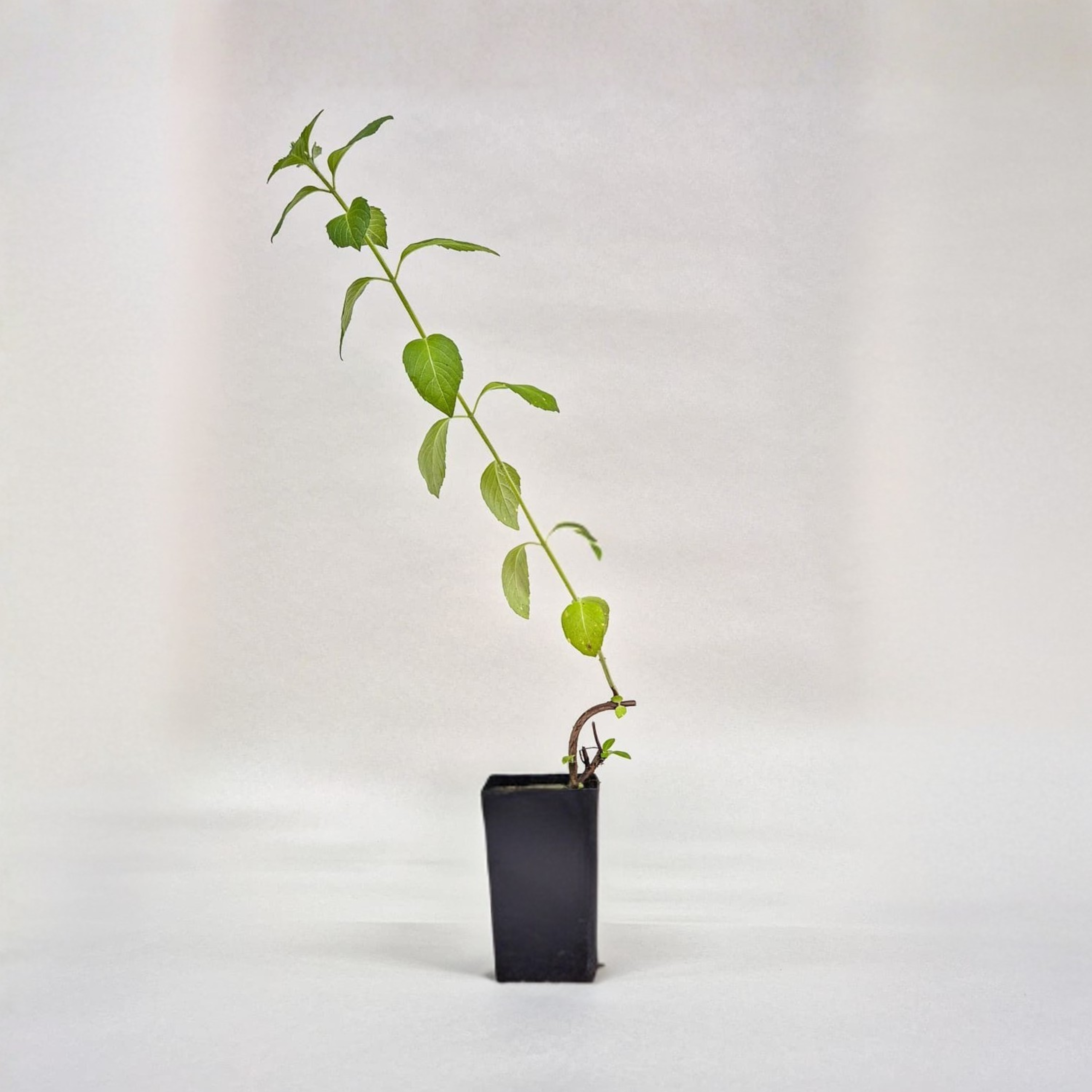
The Vana Tulsi Plant offers a bold clove fragrance and grows vigorously. Additionally, it has a long tradition of culinary and herbal use in warm-climate gardens.
Vana Tulsi Plant with a Wilder Character
Accepted botanically as Ocimum gratissimum, this aromatic member of the mint family differs from the smaller Ocimum tenuiflorum types commonly sold as Krishna or Rama Tulsi. Common names include Vana Tulsi, Van Tulsi, Vantulasi, Forest Tulsi, Wild Tulsi, Wild Holy Basil, African Basil, Clove Basil, Basil Clove, Tree Basil, East Indian Tree Basil, Scent Leaf, Shrubby Basil, Fever Leaf and Fever Plant.
This robust basil is native to tropical Africa, Madagascar, and southern Asia. As a result, it has travelled widely through culinary, household, and herbal traditions. “Vana” means forest or wild, highlighting the plant’s vigorous, less domesticated character. In frost-free climates, it can grow into a branching, woody perennial shrub rather than an annual basil.
Growing the Vana Tulsi Plant
Large, softly textured leaves release a rich scent, often compared with cloves, thyme, and camphor. Meanwhile, slender flower spikes rise above the foliage and attract bees and other beneficial insects. Therefore, this species is valuable in edible, herbal, and pollinator-friendly gardens.
Grow it in full sun to light shade and in fertile, well-draining soil. Water regularly to support lush foliage. Although established plants tolerate brief dry periods, warmth ensures the strongest growth, so protect plants from frost and cold winds. Finally, tip-pruning encourages bushiness and provides fresh aromatic leaves throughout the growing season.
From Kitchen Garden to Teacup
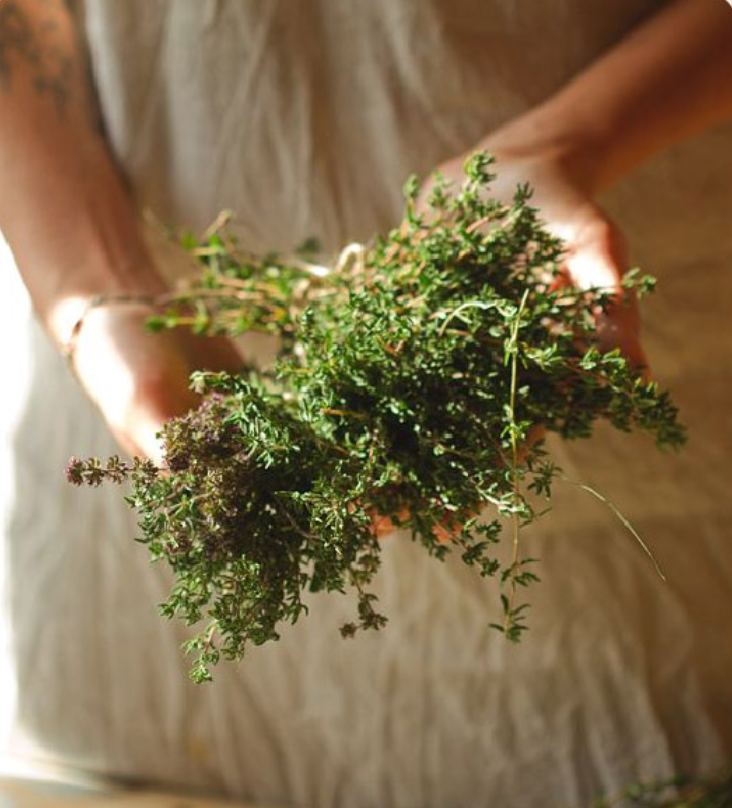
In West Africa, cooks add the fragrant leaves to soups, stews, beans, rice, and other savoury dishes. Likewise, gardeners can steep fresh or dried leaves as herbal tea or use them in fragrant household preparations. Traditional herbal systems also value this species for many purposes. However, seek professional advice before using any plant medicinally, especially during pregnancy or when taking medication.
Pair it with our
Krishna Tulsi Plant to compare two distinct tulsi traditions, growth habits, and aromas. Ultimately, for collectors, the Vana Tulsi Plant offers impressive stature, cultural significance, and a fragrance released at the lightest touch.