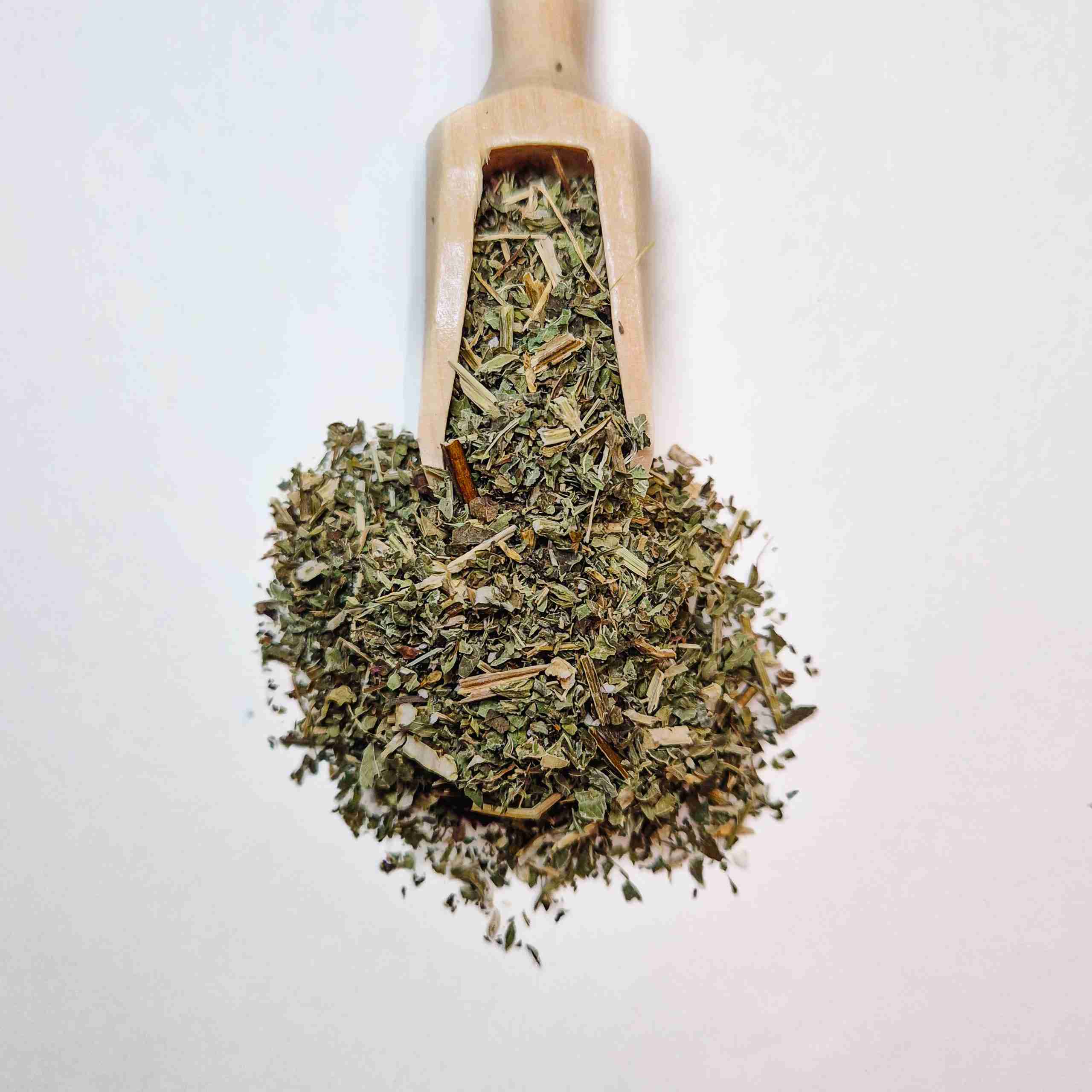
Dried Lemon Balm has a long history of use in traditional Western herbal practice. For example, its gentle lemon fragrance and role in calming infusions make it popular. Additionally, as a member of the mint family, people have appreciated Melissa officinalis for centuries as a household herb and value its flavour and steady perfumed aroma.
Typically, people prepare lemon balm as an herbal infusion and often include it in evening formulas and daily calming blends. Furthermore, its soft, rounded flavour is slightly citrusy, faintly green, and lacks the sharp acidity of true lemon. You can drink it on its own or combine it with herbs like mint to create balanced, aromatic teas.
Uses in Herbal Teas
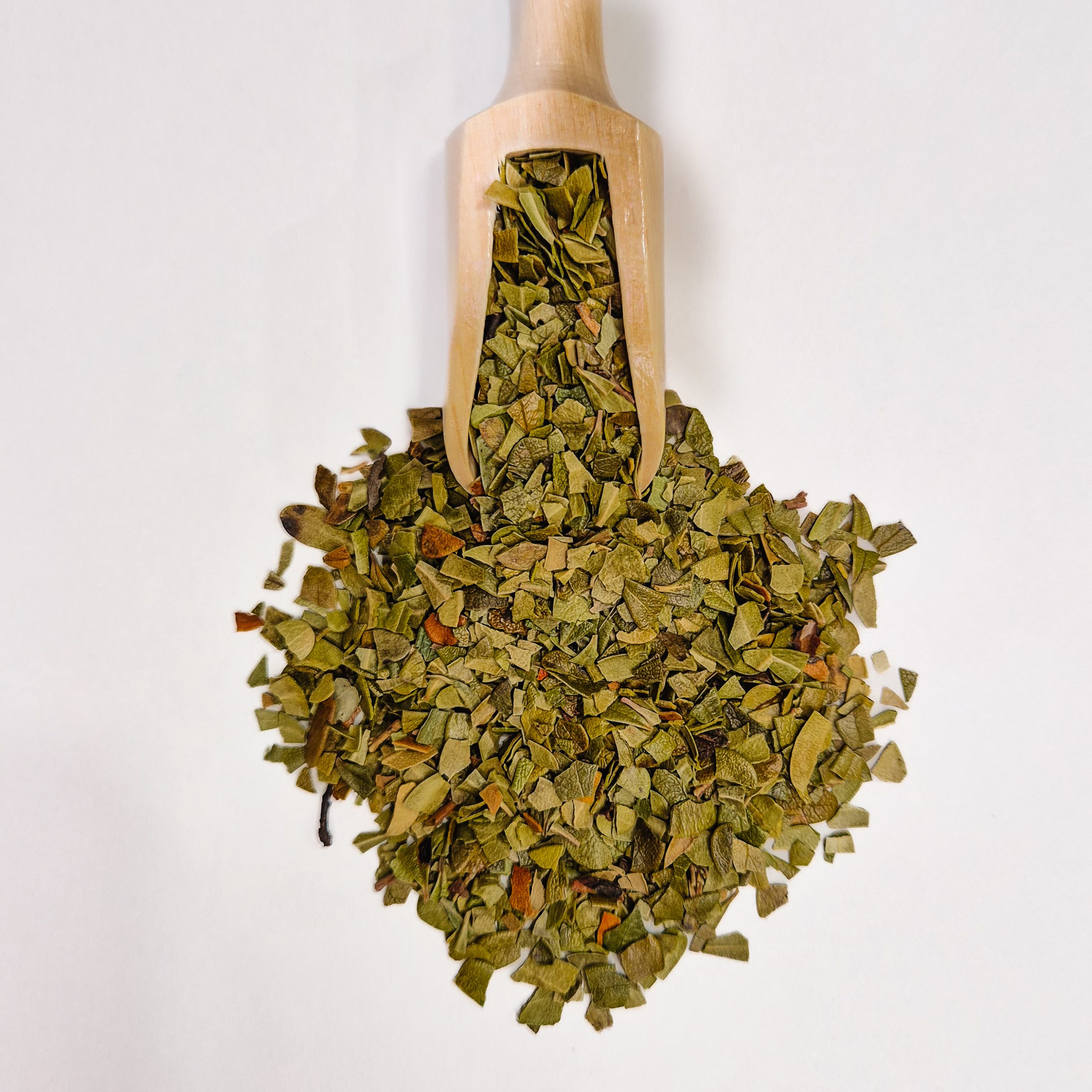
Lemon balm serves as a foundational herb in the home apothecary. In fact, many people keep it on hand for simple infusions and routine use, making it part of the core group of traditional tea herbs found in many cupboards. Moreover, dried lemon balm provides year-round access to this tender plant, especially in hard-to-maintain areas.
Home Apothecary Staple
You can add the leaves to desserts, fruit dishes, syrups, or careful savoury preparations for subtle herbal brightness. As a result, the flavour enhances dishes without overwhelming them. Instead, it contributes a gentle citrus lift rather than a strong lemon note.
Potential Health Benefits
Recent studies suggest that lemon balm may support relaxation, reduce mild anxiety, and promote restful sleep. Some herbalists use lemon balm to ease digestive upset or discomfort, as they believe it has mild antispasmodic properties. While scientists need to conduct more research, traditional use supports its role as a gentle, calming herb suitable for regular use.
Growing and Harvesting Lemon Balm
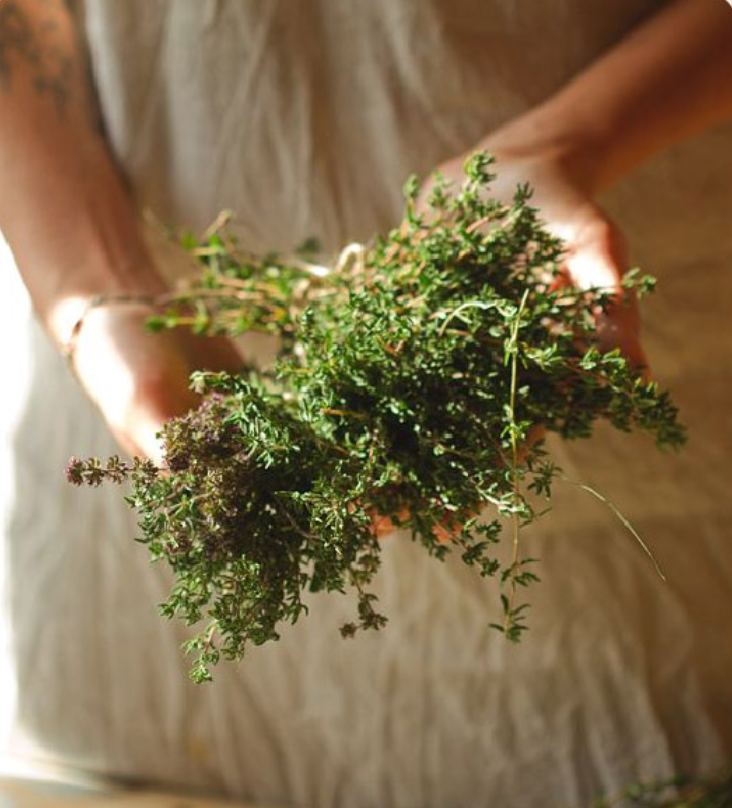
Lemon balm grows well in temperate climates and thrives in gardens or containers. It prefers well-drained soil and partial sunlight but tolerates a range of growing conditions. Gardeners often harvest the leaves during late spring or early summer, just before the plant flowers, to capture the highest concentration of essential oils. After harvesting, people dry the leaves and store them in airtight containers away from direct light to preserve their fragrance and potency for months.
Key Features of Balm Lemon
- For instance, you can use lemon balm in herbal teas and calming evening blends.
- Additionally, many home apothecaries keep lemon balm as a core herb.
- Consequently, dried lemon balm offers reliable, year-round access to a tender plant.
- Furthermore, you can use lemon balm for both infusions and light culinary applications.
- Lemon balm also features a soft citrus aroma and a mild, balanced flavour.
Ultimately, lemon balm remains a classic apothecary herb. Its steady, versatile nature makes it well-suited to both traditional herbal practice and everyday use.