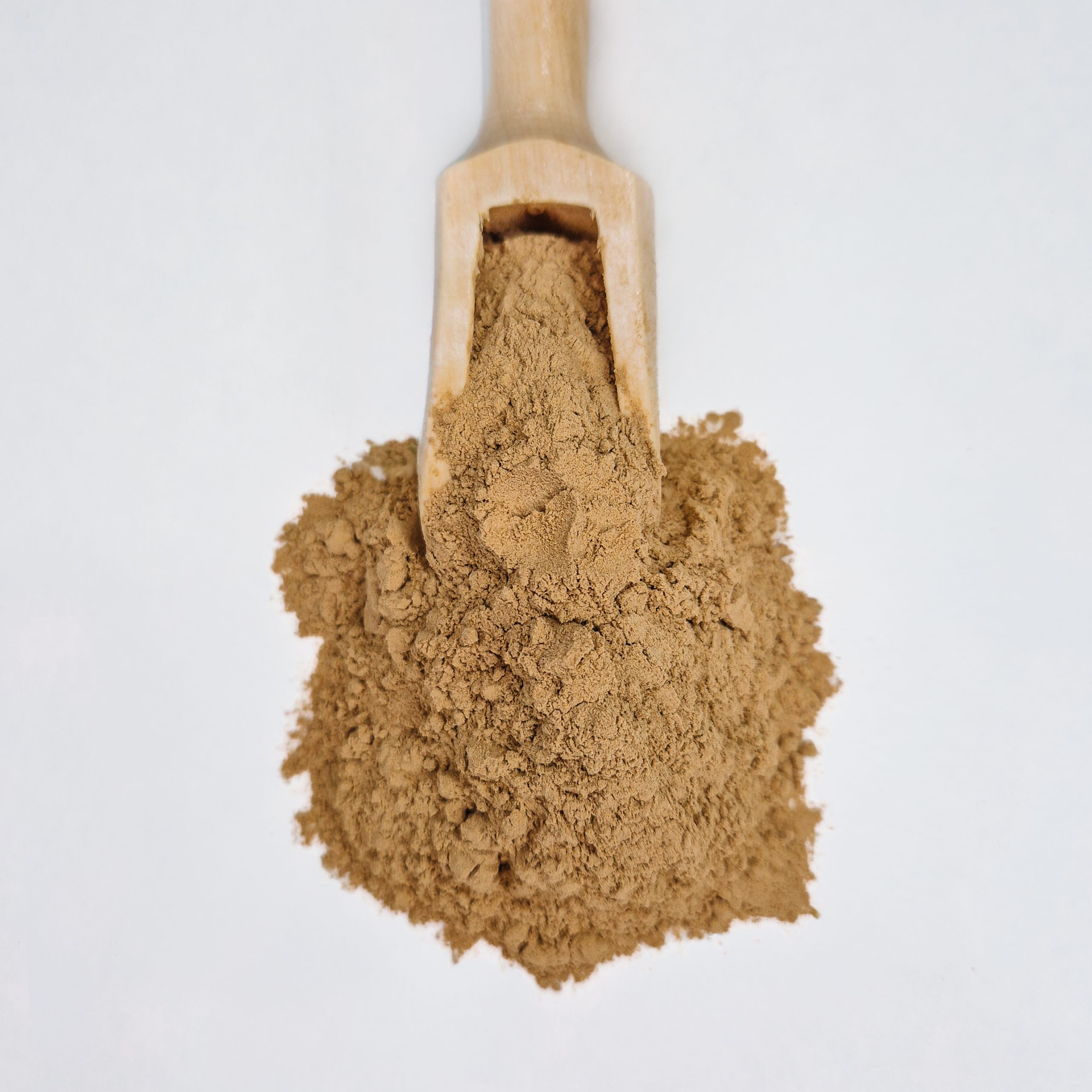
Uva Ursi is one of the most historically recognised herbal leaves in traditional Western herbalism. Herbalists have valued it for its longstanding association with the urinary system and its distinctive place in old-world botanical practice. Also known as bearberry, this low-growing evergreen shrub produces small leathery leaves. People have dried and used these leaves for generations across Europe, North America, and parts of Northern Asia.
Leaf Structure and Aroma
What makes Uva Ursi particularly unique is its leaf. Unlike many soft culinary or aromatic herbs, it has a firmer, more resinous structure and a naturally high tannin content. The dried leaves give off a subtle earthy-green aroma with slightly bitter and astringent undertones. These qualities reflect the plant’s concentrated chemistry. Traditionally, people prepared the leaves as herbal infusions, decoctions, or included them in broader botanical formulations.
Key Constituents and Herbal Significance
Arbutin, a naturally occurring plant compound, is one of Uva Ursi’s most defining characteristics. Herbal traditions have long valued this compound for its link to urinary tract health. Because of this association, Uva Ursi stands out as a classic herb in traditional apothecary systems. The leaf also contains tannins and flavonoids, adding to its strong, dry botanical profile.
Visual Characteristics of Dried Leaf
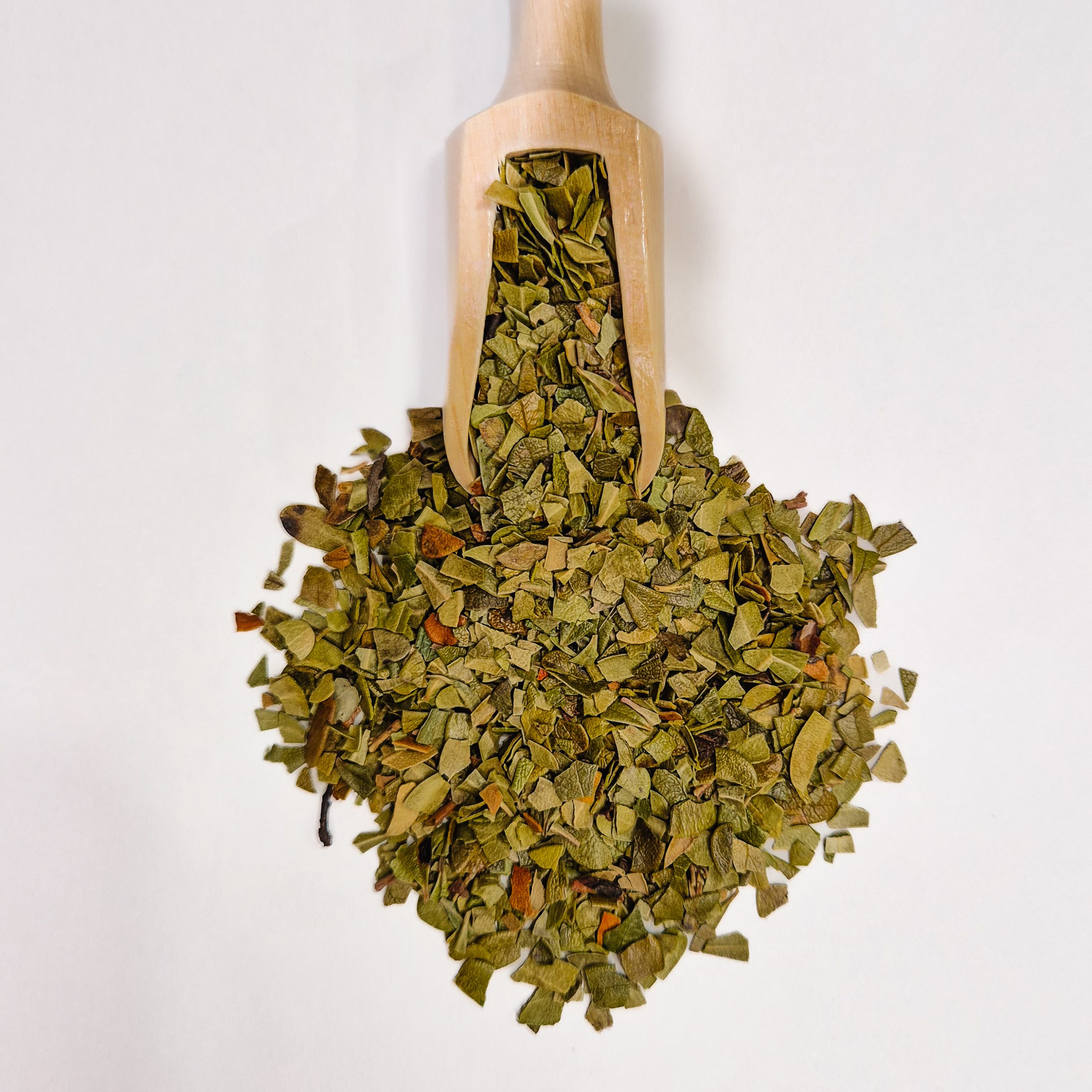
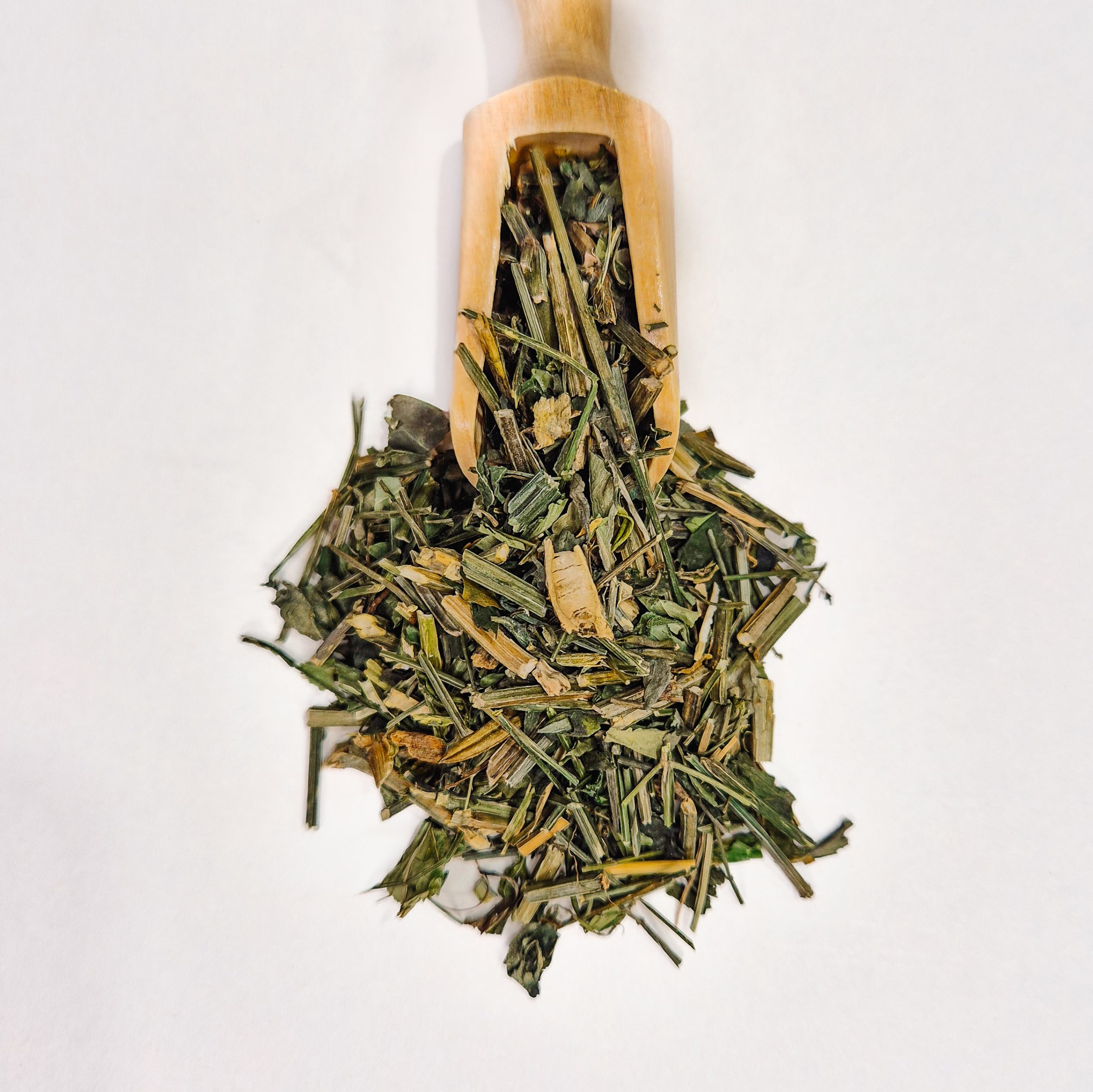
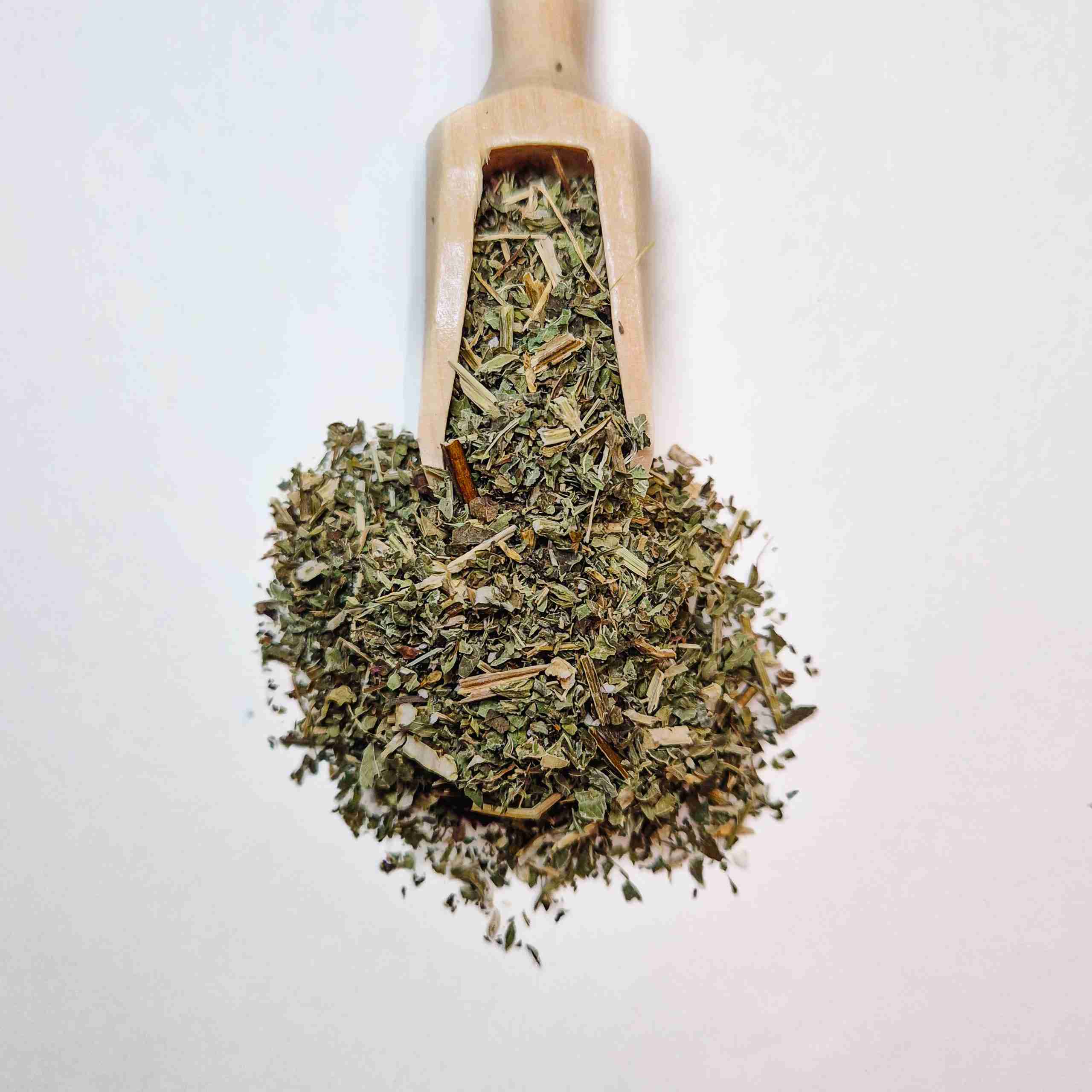
Visually, dried Uva Ursi leaf stands apart from softer herbal materials. The leaf fragments are typically olive green to deep green, brown, and have a coarse, slightly waxy appearance. This gives the herb an unmistakably robust, traditional feel, particularly appealing to those interested in old apothecary ingredients, traditional herbal preparations, and historically significant botanicals.
Natural Habitat and Growth
Another feature that makes Uva Ursi notable is the environment in which it naturally grows. The plant thrives in cold, rugged northern climates and poor rocky soils, forming dense evergreen groundcovers across forests, alpine regions, and windswept landscapes. This resilience contributes to the plant’s longstanding reputation as a hardy and enduring traditional herb.
What makes Uva Ursi particularly unique is its leaf. Unlike many soft culinary or aromatic herbs, it has a firmer, more resinous structure and a naturally high tannin content. The dried leaves give off a subtle earthy-green aroma with slightly bitter and astringent undertones. These qualities reflect the plant’s concentrated chemistry. Traditionally, people prepared the leaves as herbal infusions, decoctions, or included them in broader botanical formulations.
Arbutin, a naturally occurring plant compound, is one of Uva Ursi’s most defining characteristics. Herbal traditions have long valued this compound for its link to urinary tract health. Because of this association, Uva Ursi stands out as a classic herb in traditional apothecary systems. The leaf also contains tannins and flavonoids, adding to its strong, dry botanical profile.
Visually, dried Uva Ursi leaf stands apart from softer herbal materials. The leaf fragments are typically olive green to deep green, brown, and have a coarse, slightly waxy appearance. This gives the herb an unmistakably robust, traditional feel, particularly appealing to those interested in old apothecary ingredients, traditional herbal preparations, and historically significant botanicals.
Another feature that makes Uva Ursi notable is the environment in which it naturally grows. The plant thrives in cold, rugged northern climates and poor rocky soils, forming dense evergreen groundcovers across forests, alpine regions, and windswept landscapes. This resilience contributes to the plant’s longstanding reputation as a hardy and enduring traditional herb.
Uva Ursi also holds value beyond herbal tradition alone.
Appeal to a Wide Audience
Gardeners, herbal historians, formulators, tea blenders, and those drawn to traditional botanical knowledge all find Uva Ursi appealing.
Centuries of Enduring Reputation
Its reputation has persisted for centuries, not because it is fashionable, but because it has remained deeply embedded within historical herbal systems across multiple cultures.
For those interested in building a more traditional herbal pantry or exploring classic botanical ingredients with historical depth, Uva Ursi remains one of the foundational dried herbs of old-world herbal practice.