The Root Behind the Heat
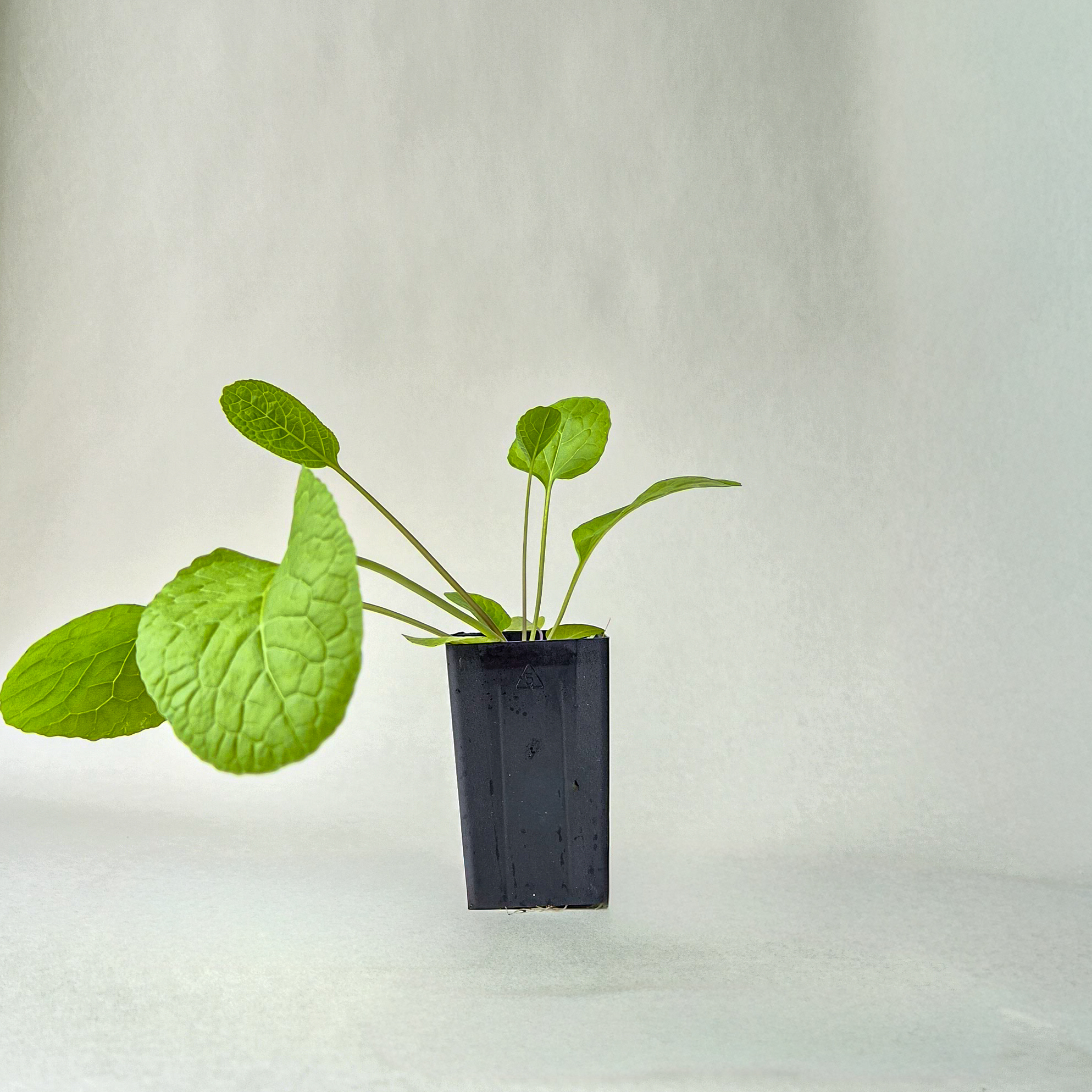
Your Horseradish Plant grows the pungent root behind classic roast beef sauce. Surprisingly, it is also an ingredient in many commercial “wasabi” pastes. In these products, manufacturers often combine horseradish with green colouring to imitate its Japanese relative.
That familiar, nose-tingling heat develops when you cut or grate the root, damaging its cells and triggering a chemical reaction. By growing your own, you can experience this transformation straight from the garden.
The accepted botanical name is Armoracia rusticana. However, common names include Horseradish, Horse Radish, Pepper Root, Pepper Turnip, Red Cole, Mountain Radish and Great Raifort.
A Longstanding Place at the Table
Beyond roast dinners, horseradish holds cultural significance in Jewish Passover traditions. For example, many families use grated horseradish as maror, the bitter herbs that recall the bitterness of slavery in Egypt.
In your kitchen, grate the creamy-white root into vinegar, then add small amounts to sauces, dressings or mayonnaise. Its sharp flavour complements beef, smoked fish, potatoes and beetroot. In addition, young leaves bring a peppery bite to salads; pick them tender and use sparingly.
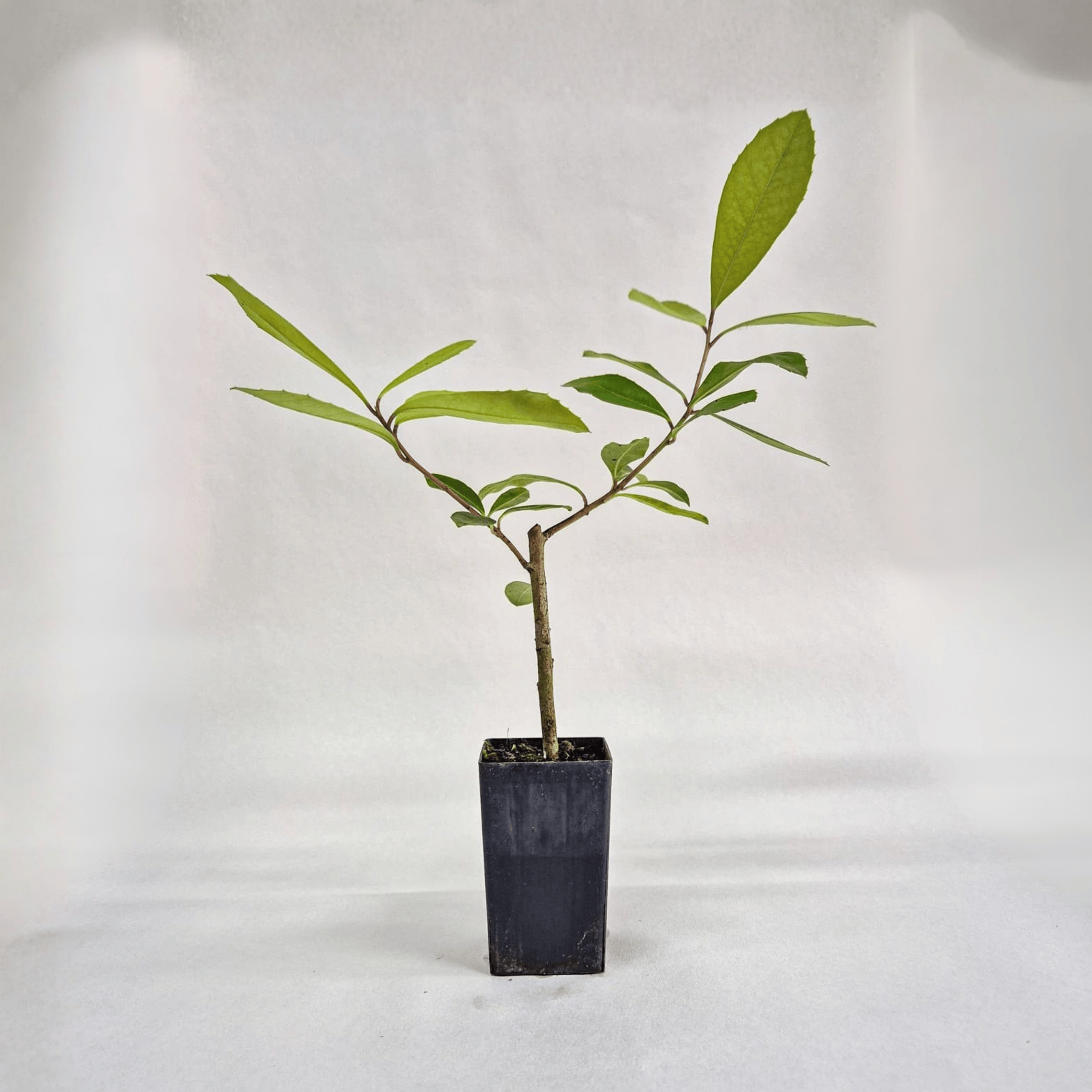
For a varied kitchen garden, grow French Sorrel nearby in a separate container. In contrast to horseradish’s pungent heat, its lemony leaves offer another distinctive flavour for fish dishes and sauces.
Growing Your Horseradish Plant
This vigorous herbaceous perennial produces large, upright green leaves and a substantial underground root system. It may also send up clusters of small white flowers.
Choose sun or partial shade and deep, loose, fertile soil with good drainage. During active growth, water regularly to support root development. However, in hot districts, offer afternoon shade and keep the soil consistently moist.
Horseradish tolerates frost, and cold winters encourage its characteristic pungency. Although foliage may die back during winter, fresh shoots emerge in spring.
Harvesting and Keeping It Contained
Harvest roots in autumn or winter, usually after the foliage dies back. When harvesting, lift carefully and take only what you need.
Small root fragments can regrow, so choose a permanent, contained bed or a large, deep pot. By planning its position carefully, you can make future harvesting and garden maintenance easier.