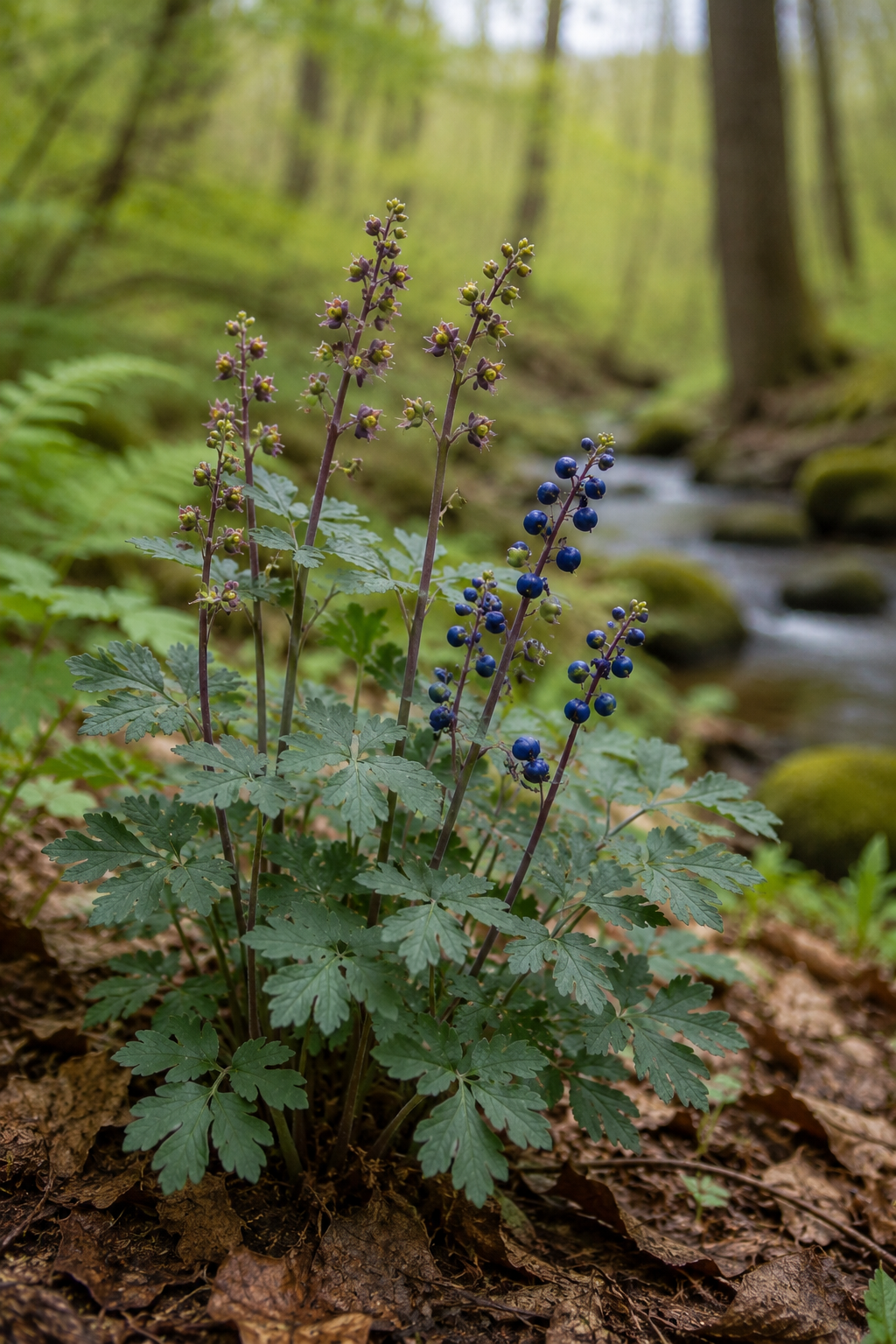


Bloodroot (Sanguinaria canadensis) stands out as a striking and historically significant woodland herb native to North America. Also called Red Puccoon, Indian Paint, and Tetterwort, this unusual perennial draws attention for its vivid crimson sap and important role in traditional botany. It grows in the rich, moist forests of Canada and the eastern United States, emerging in early spring beneath deciduous trees and often blooming before the woodland canopy fully develops.
Traditional Uses and Features
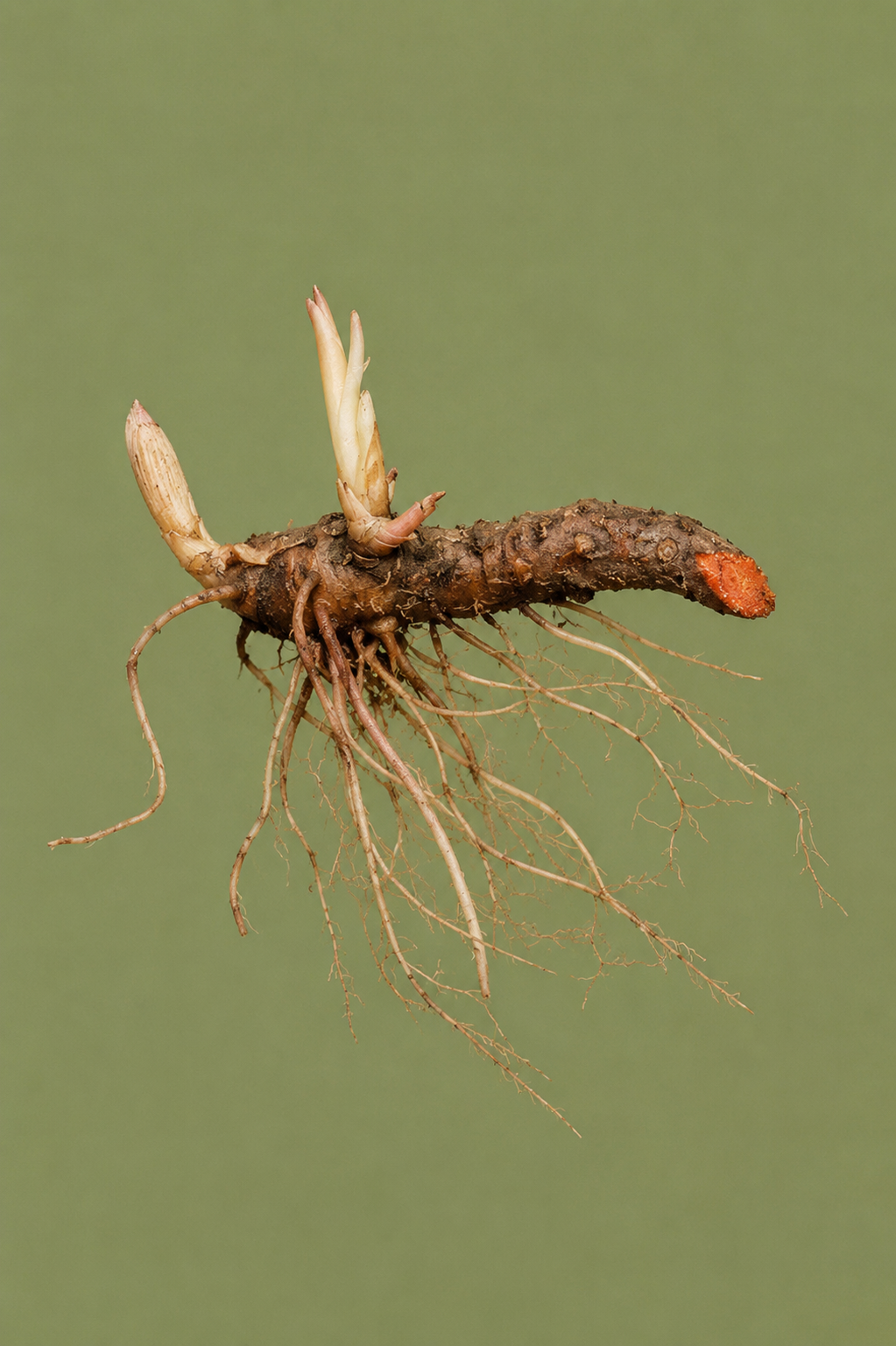
Bloodroot’s deep red-orange sap, found in its rhizomes and roots, is one of its most distinctive features. This colored sap inspired many traditional names, and Indigenous peoples historically used it as a natural dye and paint. The plant contains important alkaloids, so knowledgeable collectors, herbal enthusiasts, and woodland gardeners value Bloodroot as a rare ethnobotanical species that requires careful, low-dose use.
Spring Flowers and Foliage
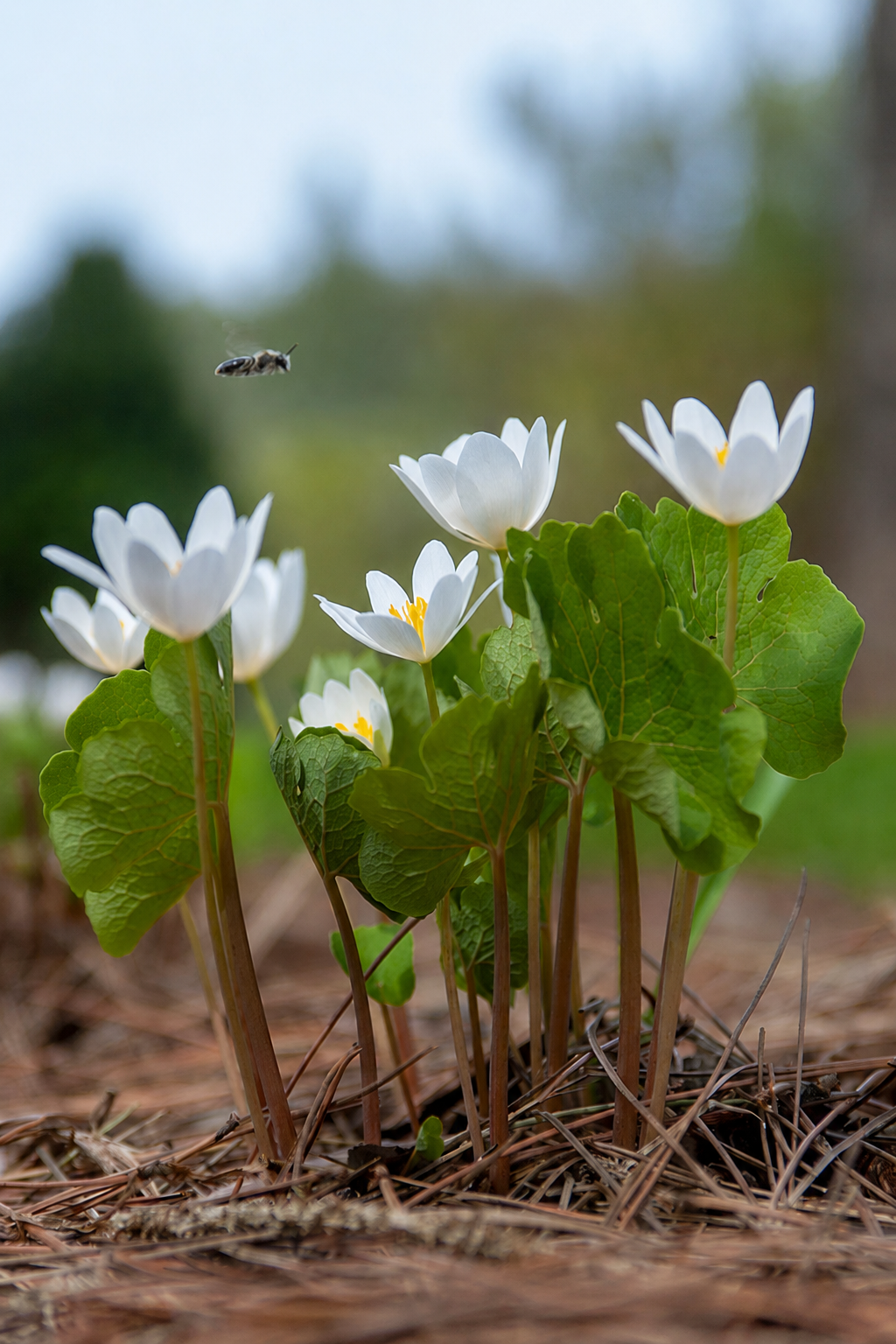
In spring, Bloodroot produces elegant white flowers with bright yellow centres that rise individually above the unfolding foliage. These delicate yet dramatic blooms create a beautiful contrast against the forest floor. Each flower lasts only briefly but offers striking ornamental value, giving the plant a fleeting beauty that many gardeners anticipate each year. The rounded leaves unfurl around the flowers and then expand into soft blue-green foliage throughout the season.
Growing Conditions
Bloodroot thrives in cool, shaded woodland conditions with dappled light and rich, well-drained soil. Unlike many woodland plants, it prefers well-drained soil and struggles in heavy or waterlogged ground. Once established, Bloodroot forms a hardy perennial colony that returns each year from its rhizomatous root system. It is frost-hardy and naturally suited to temperate climates, making it ideal for shaded garden beds, woodland gardens, and collectors seeking unique North American species.
Availability and Shipping
Suppliers ship these plants dormant and bare-rooted, packing them carefully in coir to protect the rhizomes during transit. Dormant shipping makes establishment easier when you transplant them during the cooler season. Pre-ordering is essential because seasonal availability is limited; orders close mid-May. The plant price includes freight.