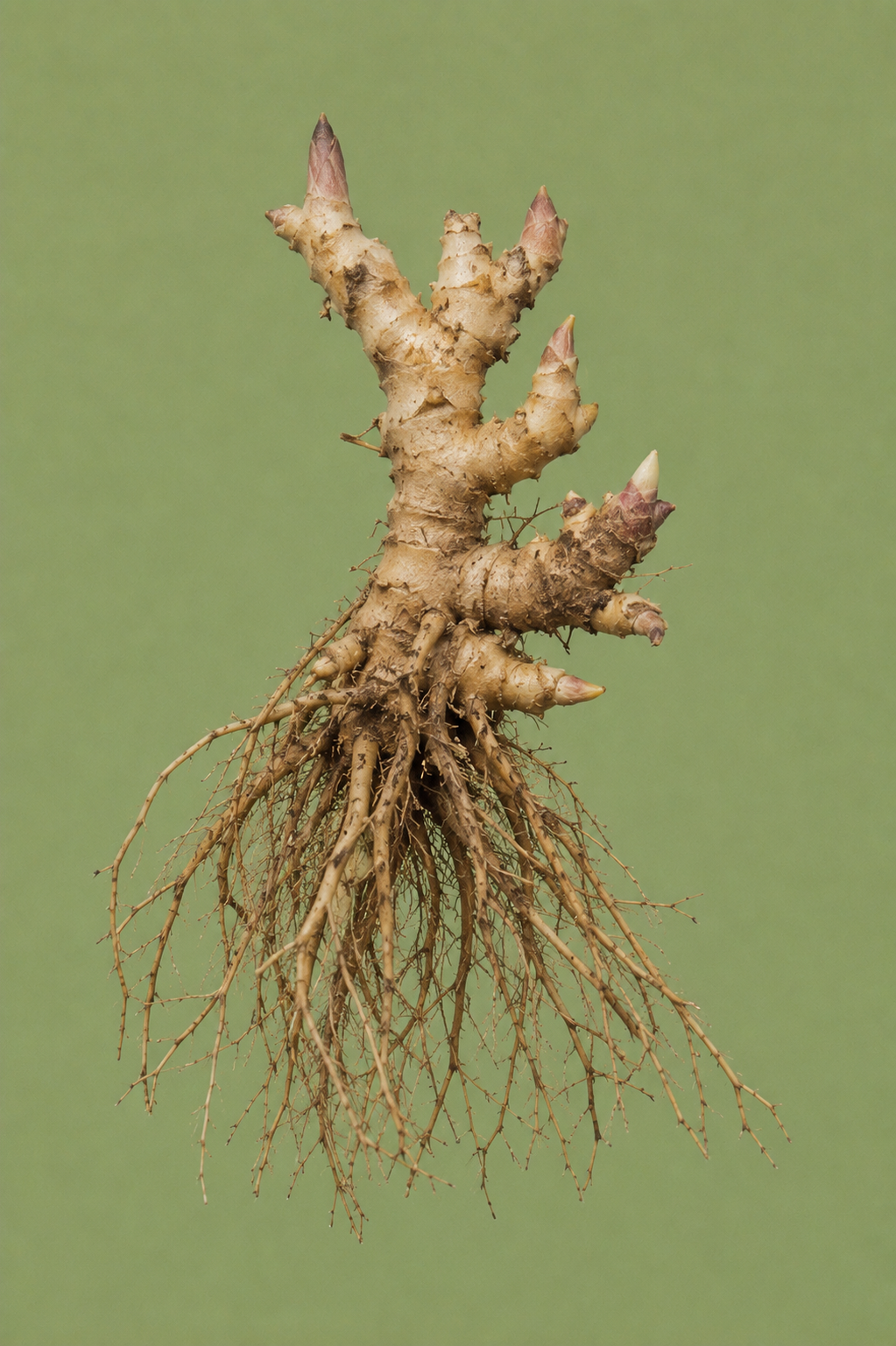
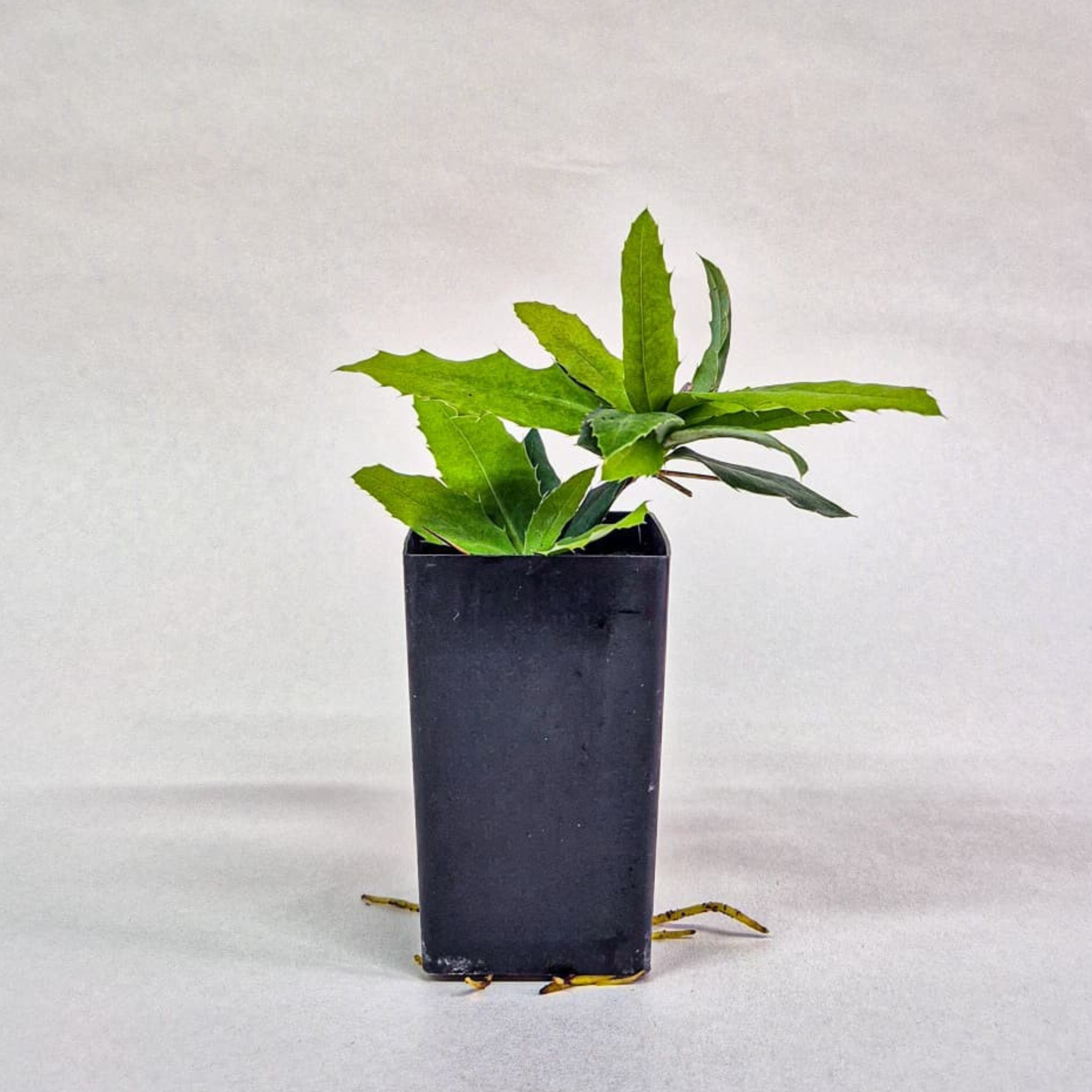
Myoga Ginger (Zingiber myoga) stands out as a distinctive, highly prized culinary variety, distinct from the common ginger most people know. Unlike common ginger, growers cultivate Myoga for its edible flower buds and tender young shoots, not for its underground rhizome. Moreover, Japanese and Korean cuisine celebrate these parts as special ingredients. Typically, the unopened flower buds, delicate and aromatic, are sliced finely and served fresh as a garnish. As a result, they add a refreshing ginger flavour that is lighter, cleaner, and more floral than standard culinary ginger.
Cultural Significance and Culinary Uses
Myoga Ginger is native to Japan, China, and Korea, where it has a long cultural history. Today, people across East Asia still use it as an important seasonal ingredient. Furthermore, many cooks value Myoga for its crisp texture and subtle zing, making it ideal for soups, noodles, rice dishes, pickles, salads, and cold dishes during warmer months. Consequently, its unique flavour profile provides a gentler alternative to ordinary ginger and avoids the overpowering heat of common varieties.
Plant Characteristics
Zingiber myoga grows as an attractive herbaceous perennial clump, reaching about 0.6 metres tall. In addition, its lush green foliage creates a tropical, elegant look. You can use it as both an edible crop and an ornamental plant in shaded gardens. In early summer in Southeast Queensland, cream- to pale-yellow flower buds appear at the base of the plant near the soil. Be sure to harvest these prized edible buds before they open.
Growing Conditions
Myoga Ginger thrives in rich, moist, well-drained soil and prefers dappled light or protected semi-shaded spots. Unlike many edible crops, it does not require full sun. Therefore, gardeners can grow Myoga in shaded courtyards, understory gardens, fernery-style plantings, or large pots and containers. Overall, its adaptability makes it a great choice for anyone looking to grow productive edible plants in lower-light garden areas.
Climate Adaptability and Planting
Myoga Ginger suits a wide range of Australian climates. Once established, the plant is hardy and reliable. Each season, it returns from its dormant underground roots. Additionally, you can transplant dormant bare-rooted plants while they are inactive, which helps them establish before active growth begins.
Why Choose Myoga Ginger?
Adventurous cooks, collectors of rare edible plants, and gardeners who want unusual culinary species with cultural significance will appreciate Myoga Ginger. Not only does the plant combine ornamental beauty, edible value, and rarity, but it also stands out from standard kitchen herbs and spices. Finally, the plant price includes shipping.