

$10.60
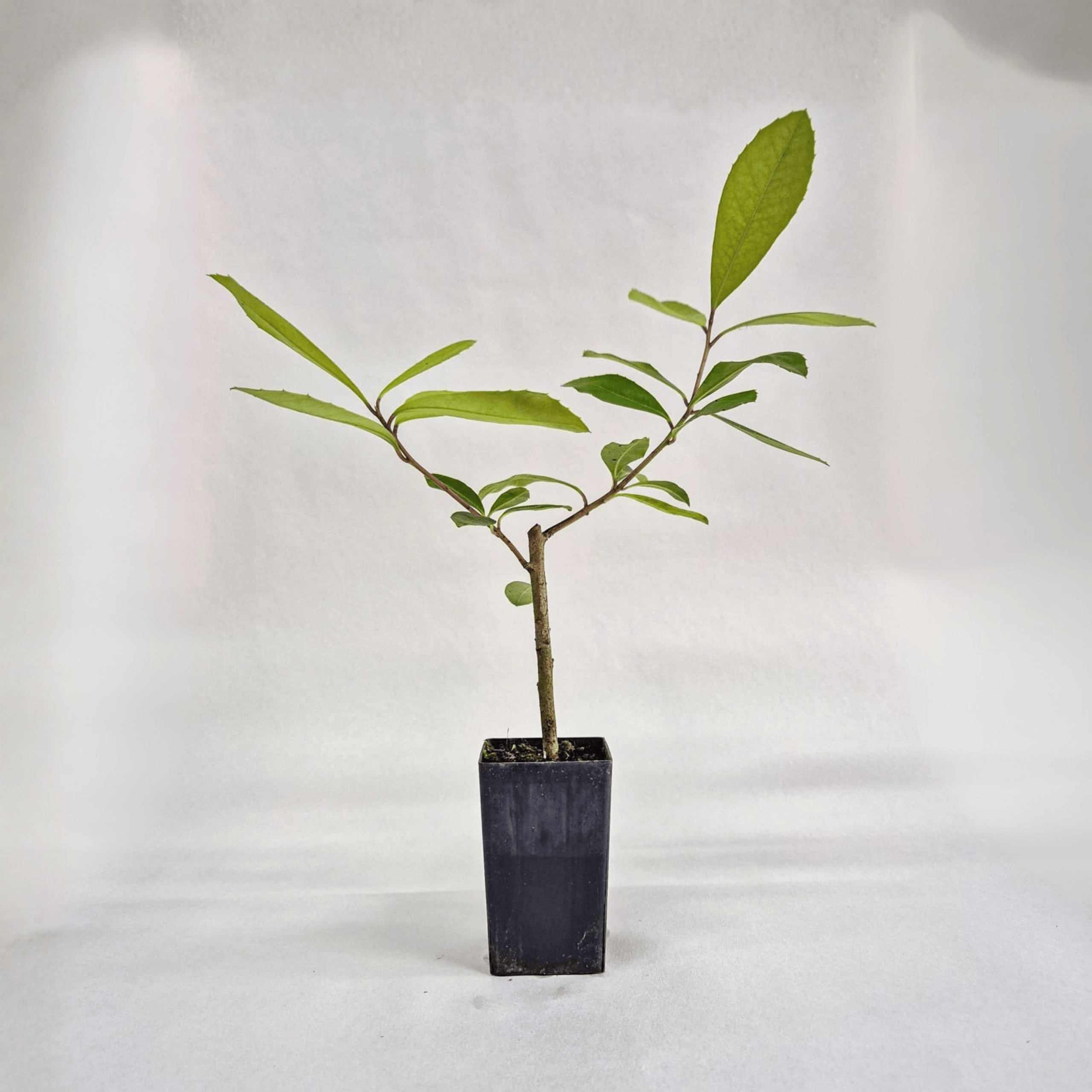
Common Bugloss (Anchusa officinalis syn. Buglossum officinale, Lycopsis officinalis) grows throughout Europe and offers ornamental beauty, a rich history, and roots that provide vibrant dyes. Gardeners know it by many names: Common Alkanet, Alkanet, Garden Anchusa, Rough Bugloss, Healing Bugloss, and Wild Bugloss. This member of the Borage family brings colour and heritage to gardens across the continent.
You can easily recognise this plant by its softly hairy stems and leaves; a trait shared with many Boraginaceae relatives. During summer, clusters of flowers appear, opening reddish-pink and maturing to vivid blue. These changing colours provide ongoing visual interest and attract bees, butterflies, and other pollinators.
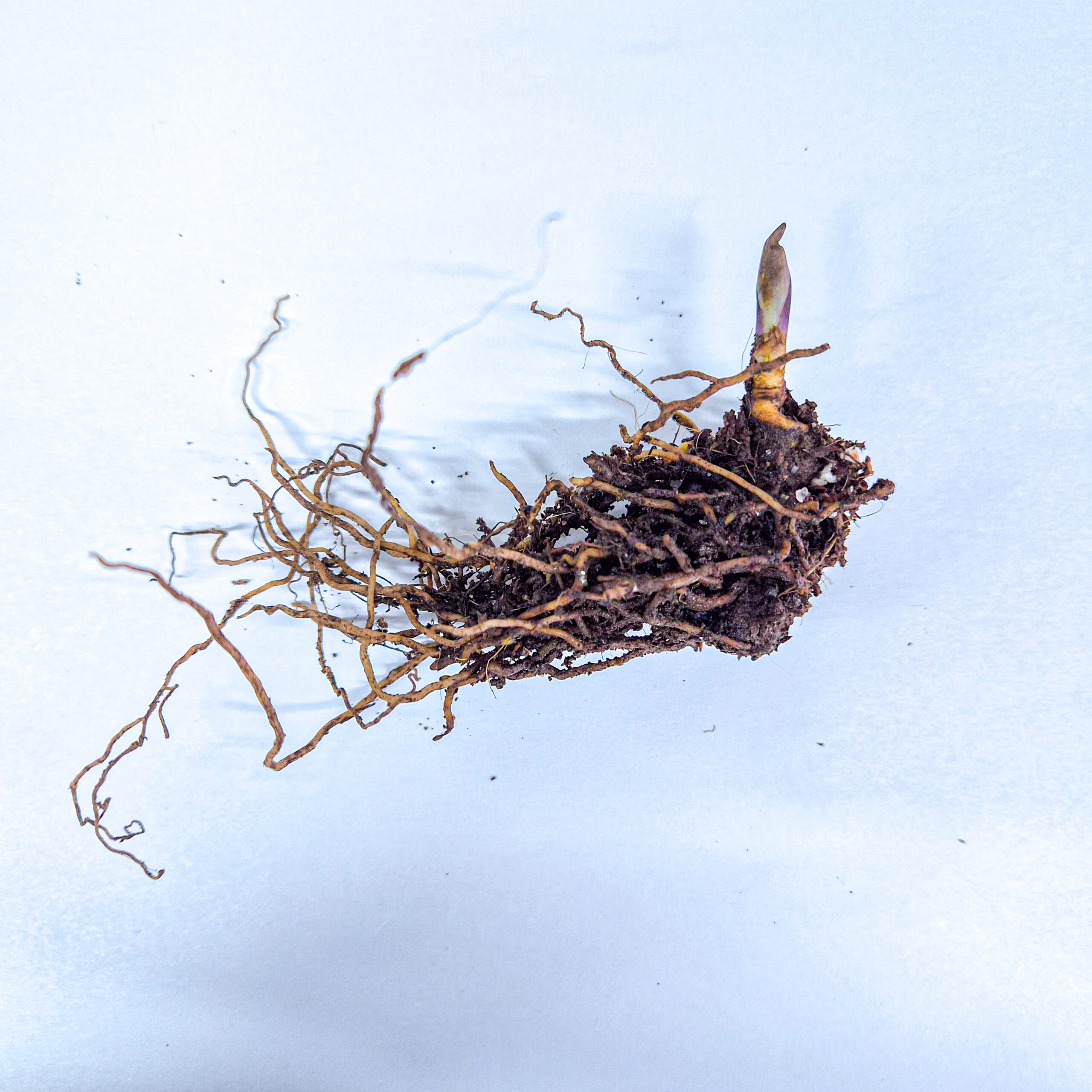
Moreover, people have valued this species for both medicinal and dye purposes for centuries. Herbalists prepare root decoctions to cleanse the blood and relieve coughs. The roots yield natural dyes, from warm brown to rich crimson red. Textile makers, cosmetic producers, and crafters have relied on these colours for generations. Consequently, it holds an important place in folk culture.
Additionally, this species adapts to a wide range of soil types and thrives in sunny, open spots. Once established, it resists drought and frost, so gardeners in Australia and elsewhere can grow it successfully. Depending on the climate, it grows as a biennial or a short-lived perennial, reaching about 1 metre in height.
When planting, choose a location with well-drained soil for the healthiest growth. Although it tolerates poor soils, adding organic matter can improve flowering. Seeds should be sown in early spring, either directly in the garden or started indoors. Regular watering in the first year will help the plant establish itself, but afterwards it requires very little attention. Because of its low maintenance and resilience, it is an excellent choice for beginner gardeners or those seeking a naturalistic garden design.
Some traditional cuisines use the young leaves and stems as cooked vegetables, which shows the plant’s versatility. However, it is important to note that the roots should not be consumed, as they may be toxic. Gardeners interested in medicinal herbs, natural dyes, pollinator-friendly plants, or historical collections will find this plant especially rewarding.
In addition, this plant attracts a variety of insects, including bees and butterflies, making it valuable for supporting local biodiversity. Its long flowering period provides food for pollinators throughout the summer. By including it in your garden, you can contribute to a healthier ecosystem while enjoying its unique beauty.

Your plant arrives healthy or we send you a free replacement

Fresh and hard-to-find plants, herbs, and seeds added every week.

We are a whatsapp, email or call away, we'll get back to you in 24 hrs