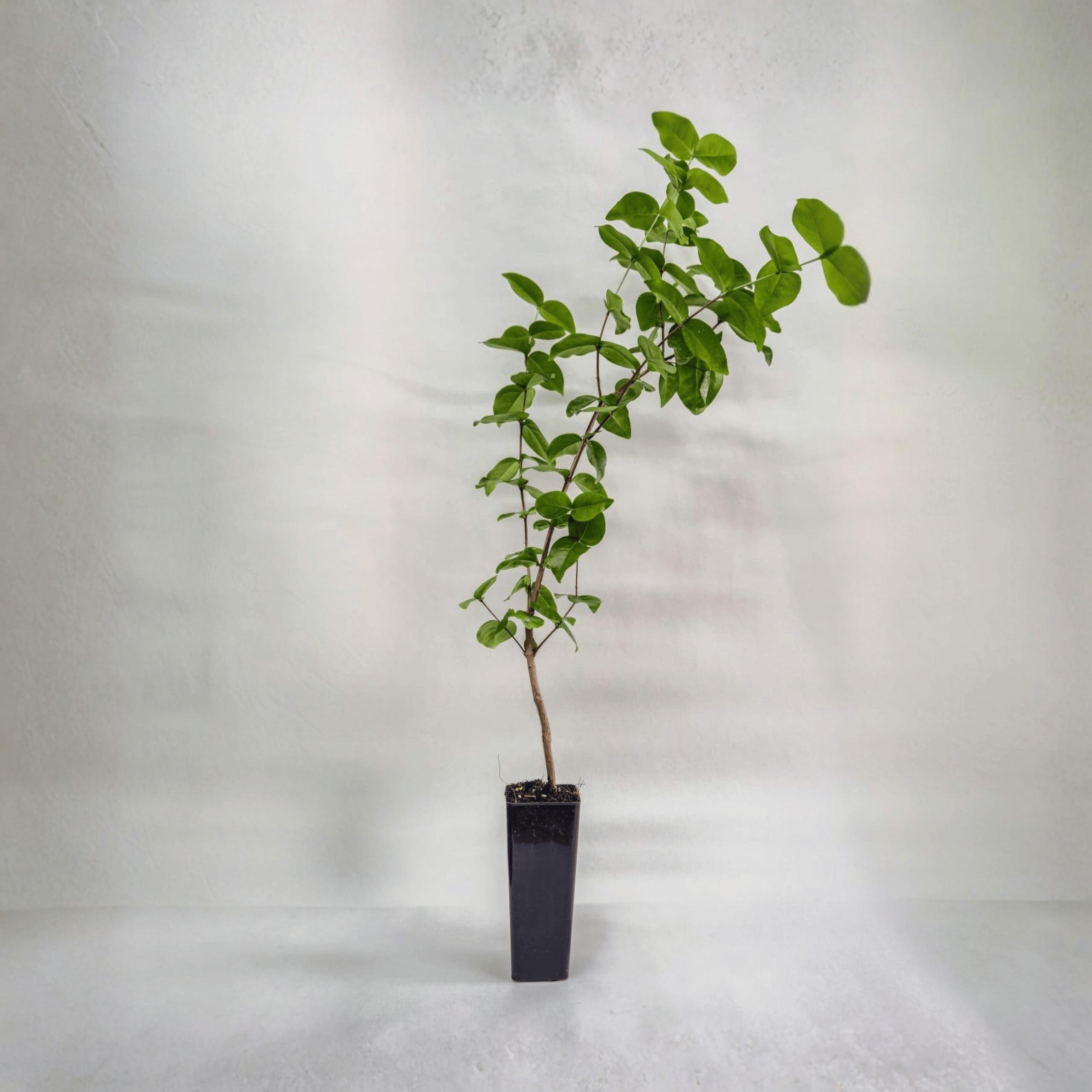


Black Sapote, often called the Chocolate Pudding Fruit, stands out as one of the most unusual and rewarding tropical fruit trees for home gardeners. Originating in Central America, this evergreen tree produces round, green fruits that ripen to reveal a rich, dark-brown, dessert-like flesh. As the fruit matures, its texture becomes famously smooth and creamy, which is why people call it the “Chocolate Pudding Fruit” despite its lack of chocolate.
Culinary Uses and Flavour
Black Sapote truly stands out for producing a naturally sweet, indulgent fruit that people can enjoy fresh or incorporate into a variety of desserts. For example, many use the ripe flesh to make smoothies, cheesecakes, mousses, cakes, ice cream, and puddings. Additionally, its mild flavour pairs well with vanilla, cinnamon, honey, citrus, and cocoa.
Growth Habits and Cultivation
The tree itself attracts attention with its glossy green foliage and a dense canopy, which offers year-round ornamental value. In warm climates, gardeners can grow it into a substantial shade tree. Meanwhile, they may keep younger plants in large containers before moving them into the ground. Once gardeners establish Black Sapote, it becomes relatively hardy, long-lived, and produces generous fruit crops.
Key Features
It produces unique “Chocolate Pudding” fruit with soft, custard-like flesh.
It is an attractive evergreen tree with glossy green foliage.
Gardeners will find it excellent for tropical and subtropical gardens.
You can eat the fruit fresh or use it in desserts and smoothies.
It remains long-lived and productive once established.
You can grow it in large containers while it is young.
It adds both ornamental and edible value to the garden.
It is related to persimmons and rare fruit collectors prize it highly.
Black Sapote is an excellent choice for gardeners who seek something truly different. Not only does it combine an attractive evergreen form with one of the world’s most unusual fruits, but it is also a highly sought-after addition to edible landscapes, food forests, and rare fruit collections.